
24/7 Customer Support

Free returns

Same-day & Next-day Delivery

Quality Guaranteed

Unlock Your Welcome Offers: FREE Delivery | Up to 80% OFF | Free 30-day JoyPlus trial
Download the APP
Niacinamide skincare products are available in almost every format, from a lightweight niacinamide serum to a rich face cream, body lotion, eye treatment or daily SPF fluid. That choice is useful, but it can also make shopping confusing. A product promoted for brightening may contain only a small amount of niacinamide, while a moisturiser marketed for sun protection may not provide enough coverage for prolonged outdoor exposure.
The practical approach is to match the formula to your skin concern, check the full ingredient list and consider how consistently you will use it.
Terms such as “glow”, “radiance” and “glass skin” describe the intended cosmetic finish rather than a guaranteed result. Niacinamide is commonly included in formulas designed to support a more even-looking tone, smoother-feeling skin and hydration, but the overall product also depends on its moisturisers, emollients, exfoliating ingredients and fragrance.
Check where niacinamide appears in the ingredients list. A stated percentage, such as 5% niacinamide, makes comparison easier, although a higher percentage is not automatically more suitable for every skin type.
A serum usually provides a thinner, treatment-focused texture, while a niacinamide moisturiser or niacinamide face cream is intended to combine conditioning with hydration. A body lotion is designed for larger areas and may feel too rich or too light for facial use.
Selecting the wrong format can lead to pilling beneath make-up, uncomfortable tightness or a routine that feels too complicated to maintain.
A moisturiser with SPF can be convenient for everyday use, but protection depends on applying enough product and following the label instructions. SPF15 offers less protection than SPF30 or SPF50, while a high-protection fluid may be more suitable for extended outdoor time. Reapplication may also be needed after sweating, swimming or towel drying.
Some shoppers prefer a clearly stated percentage, such as the 5% niacinamide in The Ordinary Face and Body Emulsion or Medicube TXA Niacinamide Capsule Cream. Others may prioritise a formula containing humectants such as glycerin or hyaluronic acid for hydrating skincare.
For uneven skin tone or the appearance of dark spots, look at the complete formula rather than relying on one headline ingredient. Vitamin C derivatives, tranexamic acid, alpha-arbutin or gentle exfoliating acids may also feature. If you have sensitive skin skincare needs, introduce one new active product at a time and patch test where appropriate.
A formula containing fragrance, alcohol denat., essential oils or exfoliating acids may not suit everyone. Always compare the current packaging ingredients with your personal sensitivities.
Creams, serums and lotions should be stored away from direct sunlight and heat. Check the period-after-opening symbol, batch information and expiry guidance on the packaging. Pumps and tubes can reduce repeated exposure to air compared with open jars, although the formula itself remains the main factor.
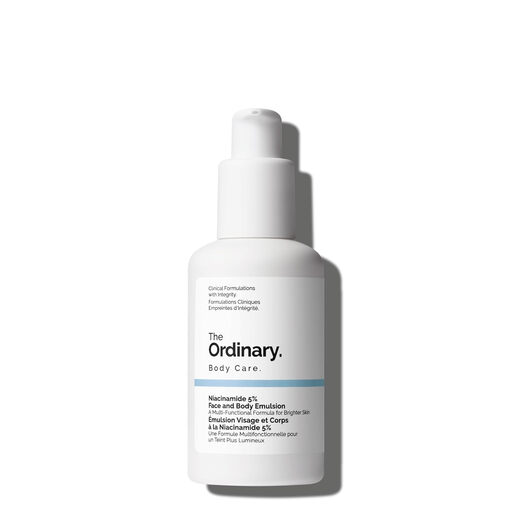
Why This Fits Their Persona: A 100ml face-and-body format can simplify a first routine for shoppers who want to use one product across several areas rather than buying separate treatments.
The stated 5% concentration makes comparison more transparent than relying only on brightening claims, and the product is labelled for face and body use.
5% niacinamide; 100ml size; lightweight emulsion texture for face, neck, chest and body areas.
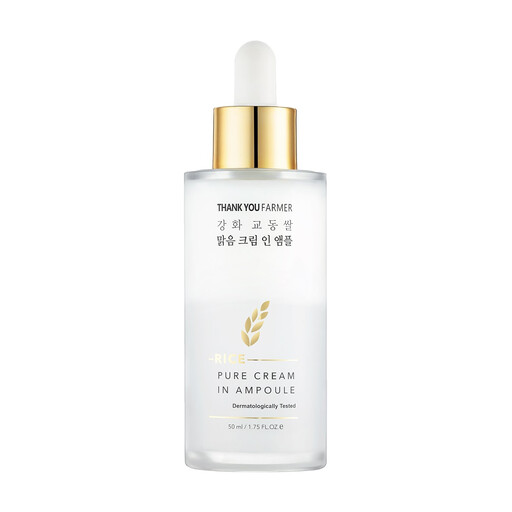
Why This Fits Their Persona: Suitable for shoppers who enjoy Korean skincare textures and want a serum step that combines a cream-and-ampoule format with hydration-focused ingredients.
Its directions explain that the separated layers should be shaken together, making the unusual texture a defined part of use rather than an unclear packaging feature.
Contains niacinamide, rice extract, sodium hyaluronate and hyaluronic acid; fragrance-free according to the supplied product information.
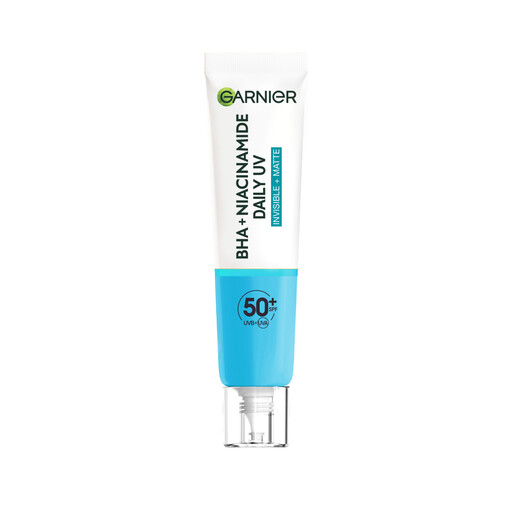
Why This Fits Their Persona: A practical daytime option for commuters and shoppers wanting high UV protection in a fluid format that can sit under make-up.
The SPF50+ rating is clearly stated, so it is easier to distinguish from a basic SPF moisturiser. The product also identifies BHA and niacinamide in its formula.
SPF50+; lightweight fluid; fragrance-free and designed with a matte finish according to the supplied product details.
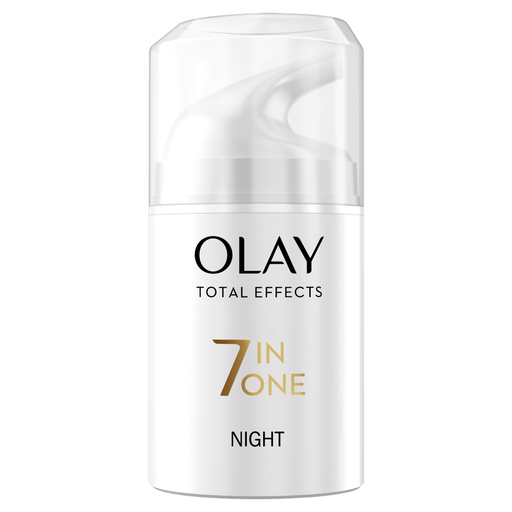
Why This Fits Their Persona: A straightforward evening moisturiser for shoppers who prefer one cream after cleansing rather than several separate treatment layers.
It is clearly positioned as a night moisturiser, helping shoppers avoid using a daytime SPF product as their only evening treatment or vice versa.
Contains niacinamide, glycerin, panthenol and petrolatum; lightweight non-greasy texture according to the supplied product information.
We have compiled a complete, real-time list of products that fully satisfy these strict selection criteria and UK safety regulations.
If your priority is body care, apply a niacinamide body lotion to clean, dry skin after bathing. For eye products, use only a small amount around the orbital area and follow the packaging directions.
Many products are labelled for daily or morning-and-evening use, but tolerance differs. Start once daily or every other day if your skin is sensitive, and stop if persistent redness, itching, burning or discomfort occurs. Check the packaging for the specific directions.
A thinner serum or emulsion is generally applied before a cream, while a cream is usually used as the moisturising step. Texture is the most practical guide: apply products from lighter to richer, and use SPF as the final daytime skincare step.
There is no single lifespan for every formula. Use the period-after-opening symbol, expiry information and storage instructions on the packaging. A 100ml body-and-face emulsion may last longer than a 15ml eye cream, depending on how much and how often you apply.