
24/7 Customer Support

Free returns

Same-day & Next-day Delivery

Quality Guaranteed

Unlock Your Welcome Offers: FREE Delivery | Up to 80% OFF | Free 30-day JoyPlus trial
Download the APP
A night cream can be a useful final step in an evening skincare routine, but choosing one by packaging or a bold “anti-ageing” claim can lead to wasted money. A rich formula may feel comforting yet prove too heavy for combination skin, while a treatment cream may contain active ingredients that sensitive skin does not tolerate well.
The right choice depends on your skin concern, ingredient preferences, texture and tolerance. Whether you want an anti-ageing night cream, a hydrating night cream or a face moisturiser for overnight use, check the formula rather than relying on promotional language.
Ingredients such as glycerin, shea butter, dimethicone and hyaluronic acid can help skin feel softer and more comfortable by reducing moisture loss. However, immediate plumping or smoothing is not the same as permanently removing wrinkles or dark spots.
A hyaluronic acid night cream may be suitable if dehydration is your main concern. For uneven tone, look for specific ingredients such as niacinamide or the LUMINOUS630 ingredient listed in selected NIVEA formulas. For fine lines, retinoids, peptides and niacinamide are commonly used, but results and tolerance vary between individuals.
Plant oils and botanical extracts can be appealing, but natural formulas may still contain fragrance allergens or essential oils. Always read the full ingredient list, particularly if your skin reacts to perfume, alcohol or exfoliating ingredients.
For a sensitive skin night cream, fragrance-free and non-comedogenic descriptions can be useful starting points. They do not guarantee that irritation is impossible, so patch testing remains sensible.
A retinol night cream or formula containing acids may require gradual introduction. Applying too much, too often can cause dryness or discomfort. Use the product according to its label, avoid applying it to broken or irritated skin, and use daytime UV protection when recommended by the manufacturer.
Match the product to one main priority:
Check the net size, recommended frequency, storage instructions and whether the product is a cream, serum or sleeping mask. A serum, such as Estée Lauder Advanced Night Repair, is normally applied before moisturiser rather than used as a direct replacement for a night cream.
Avoid direct contact with the eyes and stop using a product if irritation develops. Always check the ingredient list printed on the packaging, as formulations can change.
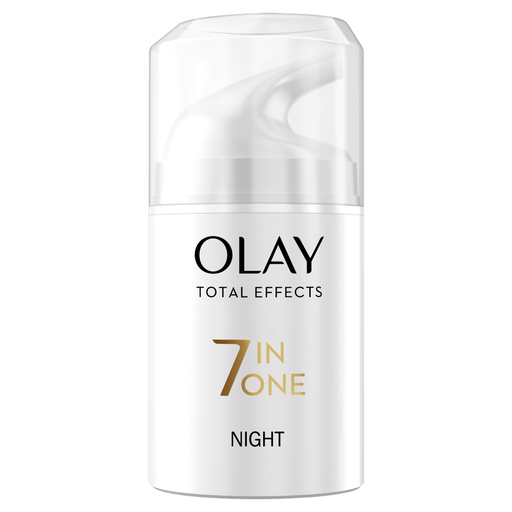
Why This Fits Their Persona: A straightforward daily night moisturiser for shoppers who want one product covering hydration, uneven texture and the appearance of fine lines.
The ingredient list identifies niacinamide and panthenol, rather than relying only on a broad multi-benefit label.
50ml size; non-comedogenic description; lightweight, non-greasy texture.
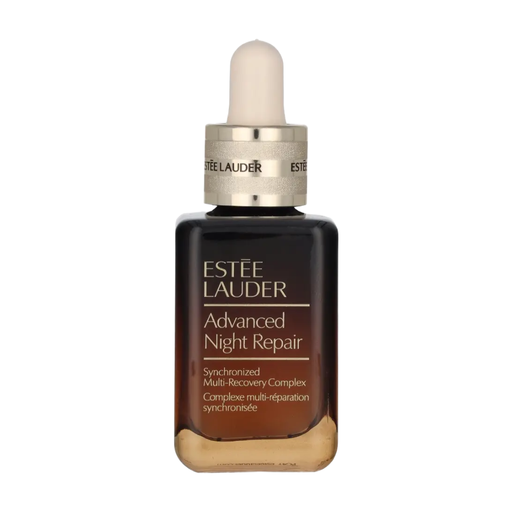
Why This Fits Their Persona: Suitable for shoppers building a layered routine and wanting a serum before their usual face moisturiser for overnight use.
It is clearly a serum, so shoppers can pair it with a separate moisturiser instead of expecting one product to perform every role.
Contains sodium hyaluronate, glycerin, squalane and peptide ingredients; designed for morning and evening use.
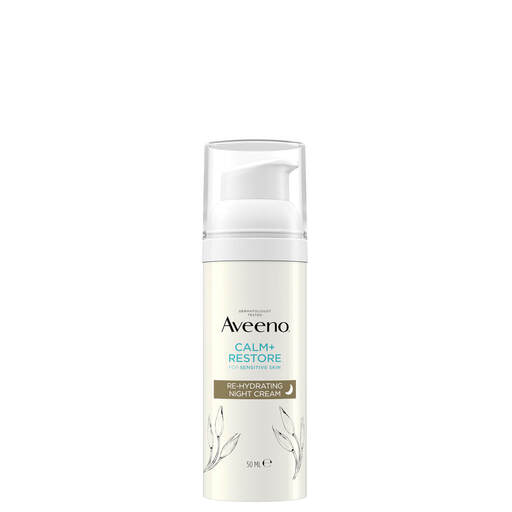
Why This Fits Their Persona: A practical option for normal to dry sensitive skin, particularly when indoor heating or cold weather leaves skin feeling tight.
Its fragrance-free positioning and clearly listed oat-based formula make it easier to screen than a heavily perfumed rich cream.
Prebiotic oat and shea butter; fragrance-free; non-comedogenic; 50ml format.
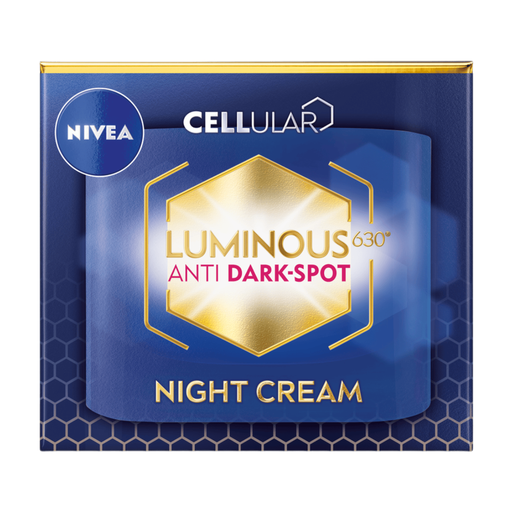
Why This Fits Their Persona: A choice for shoppers whose main priority is the appearance of dark spots and uneven tone alongside overnight moisturising.
The product specifies its LUMINOUS630 technology and sodium hyaluronate, making the intended use clearer than a generic “glow” claim.
50ml cream; contains hyaluronic acid and glycerin; directions include face, neck and décolletage.
We have compiled a complete, real-time list of products that fully satisfy these strict selection criteria and UK safety regulations.
A small, even layer is usually sufficient for the face and neck. A thicker application does not necessarily improve performance and may feel uncomfortable or transfer to bedding. Follow the product directions and adjust the amount according to texture and skin dryness.
Many basic moisturisers are designed for daily evening use. Treatment products containing retinol, acids or other active ingredients may require less frequent application at first. Read the label, patch test where appropriate and discontinue use if irritation occurs.
Not always. A sleeping mask is generally formulated as a leave-on, more intensive layer and may be recommended several times a week. A night cream is normally designed for regular moisturising. Some sleeping masks can be used over a cream, while others are intended to be the final step, so check the directions for the specific product.