Workers who want to reduce sugar
On a low-activity shift, you may want a portable flavoured drink without carbohydrate exercise fuel. Compare sugars for the amount you will drink, and do not confuse a sports drink with a caffeinated energy drink.


For an ordinary night-shift break, start with water; if you want a flavoured sports drink without added exercise fuel, check a zero-sugar option rather than assuming an isotonic drink is needed. Carbohydrate-containing sports drinks make more sense when the shift also involves prolonged endurance exercise, while a drink should not take the place of food when you are hungry. The British Nutrition Foundation says nutritional needs vary with the amount and intensity of activity, and NHS dietetic advice suggests a smaller snack or light meal during a shift break.
The useful distinction is whether the break calls for a drink, exercise fuel or food.
On a low-activity shift, you may want a portable flavoured drink without carbohydrate exercise fuel. Compare sugars for the amount you will drink, and do not confuse a sports drink with a caffeinated energy drink.
If your shift follows or includes prolonged endurance exercise, a carbohydrate-and-electrolyte drink may fit a different purpose from a zero-sugar one. The British Nutrition Foundation notes that nutritional needs depend on how much and how intensely someone exercises; working at night alone does not establish that need.
Choose food separately from the drink. A zero-sugar sports drink is not a snack, and NHS dietetic advice for shift workers suggests smaller snacks or a light meal during breaks rather than one large meal.
Decide what the break requires, then compare the nutrition label for the whole bottle or prepared serving and check whether the format works at your workplace.
| Priority | What to check | Your needs |
|---|---|---|
| Sugars per drink | Read sugars and carbohydrate for the amount you expect to drink, not just per 100ml. Check whether the label says zero sugar or low sugar: the two descriptions are not interchangeable. | I want a flavoured drink on a quiet shift without choosing carbohydrate fuel by accident. |
| Exercise context | Check whether a drink contains carbohydrate and electrolytes, and whether its stated use concerns prolonged endurance exercise. The British Nutrition Foundation says activity level and intensity affect nutritional needs. | If my shift coincides with endurance training, I may want an exercise-fuelling drink. Feeling tired because it is night-time is a different reason for reaching for one. |
| Food during breaks | Plan a snack or meal separately if hunger is the issue. NHS dietetic advice for shift workers suggests smaller snacks or a light meal during breaks rather than one large meal. | A drink will not deal with my hunger; I need to think about what food I can bring or eat on my break. |
| Preparation and storage | Check whether the drink is ready to drink or needs mixing, how much water a sachet requires, and the exact pack’s instructions after opening. The Sainsbury’s listing for Gatorade Hydration Booster says to mix one sachet with 500ml water. | For a short break, I want a format I can prepare and store as directed with the facilities available to me. |
A zero-sugar drink is not a substitute for food, while a carbohydrate-containing isotonic drink does not provide a complete break-time meal.
If you are hungry, plan food separately. NHS dietetic advice for shift workers suggests a smaller snack or light meal during a break.
Carbohydrate-and-electrolyte drinks such as Lucozade Sport Orange are positioned for prolonged endurance exercise. That purpose is distinct from ordinary tiredness during overnight work.
Consider your activity, then compare carbohydrate and sugars for the whole bottle before choosing between an isotonic drink, a zero-sugar option and water.
A reduced-sugar description does not mean a prepared drink contains no sugars. A powder’s nutrition information may also use a different serving basis from a bottled drink’s label.
Compare the amount you will actually drink, including the full prepared serving where relevant.
A sachet needs water and something to mix it in; an opened bottle needs to be handled according to its own label. Those details matter when a break is short or facilities are limited.
Before choosing a pack, check the mixing directions, the bottle’s after-opening instructions and what you can use at work.
These examples show why the exact variant matters: a brand may offer drinks intended for different uses.
The checked Zero Sugar Orange & Peach and standard Orange drinks represent different choices within the Lucozade Sport range.
The checked Powerade Zero Berry Tropical drink is a ready-to-drink, zero-sugar option.
The checked Hydration Booster is a powder-sachet format rather than a ready-to-drink bottle.
Tesco’s checked Orange Isotonic Sports Drink is an own-label, carbohydrate-containing option.
The checked Raspberry Bolt is an own-label isotonic sports drink.
These two options illustrate different drink choices for a night shift: a ready-to-drink hydration drink and a carbohydrate-containing sports drink. Choose according to whether you want a drink for a break or one for an exercise-related use.
 No image available
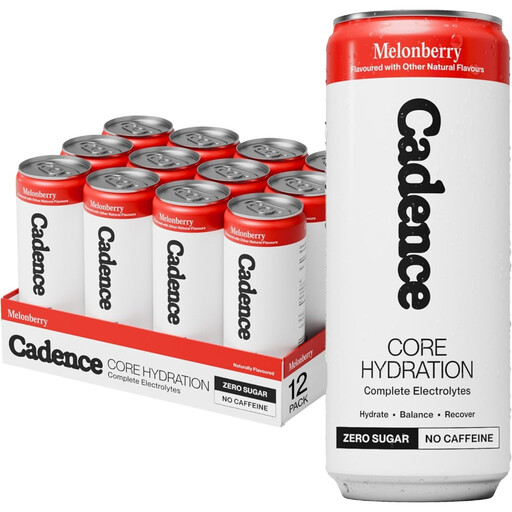
A ready-to-drink option to consider when you want a flavoured drink during a break. The pack contains 12 x 330ml; compare the bottle’s sugars and salt information with your needs. If you are hungry, plan food separately.
 No image available
A four-pack of 500ml bottles for someone considering a carbohydrate-containing sports drink when a shift also involves prolonged endurance exercise. ASDA describes the standard Orange drink as containing carbohydrate and electrolytes for that exercise context. Check the bottle’s sugars and ingredients; it is not a zero-sugar drink or a substitute for a snack.
No: choose food separately if you are hungry. A zero-sugar drink is not a snack, and a carbohydrate-containing isotonic drink does not replace a meal. NHS dietetic advice for shift workers suggests smaller snacks or a light meal during breaks.
If you want a flavoured sports drink and reducing sugar is your priority, check a labelled zero-sugar variant; water remains an option for an ordinary break. A carbohydrate-containing drink has a different purpose when prolonged endurance exercise is involved, so read the nutrition information for the exact bottle.
Consider it when your shift also involves prolonged endurance exercise and you want a drink formulated with carbohydrate and electrolytes for that activity. ASDA positions Lucozade Sport Orange for prolonged endurance exercise; working overnight on its own is not the same use case.
Check its mixing directions and whether you will have water and a suitable container during your break. Sainsbury’s says to mix one Gatorade Hydration Booster sachet with 500ml water; compare its prepared-serving label rather than assuming a sachet is sugar-free.
Follow the storage and use-after-opening instructions on the exact bottle. Check those directions before taking part of a bottle into a later shift, rather than assuming every flavour or product line has the same instructions.