Night-shift workers planning a post-shift sleep
If you want tea during a break, the point in your shift when you drink it matters. NHS night-shift guidance advises stopping caffeine at least four hours before the shift ends.


Choose regular tea for a break early enough in your shift to follow NHS night-shift guidance, which advises stopping caffeine at least four hours before the shift ends. Decaf black tea is a lower-caffeine option for a later break, but check the particular pack rather than assuming it contains no caffeine. A jar can make bags easier to find in a shared cupboard, provided you follow the tea’s storage instructions.
If you want tea during a break, the point in your shift when you drink it matters. NHS night-shift guidance advises stopping caffeine at least four hours before the shift ends.
You may want bags that colleagues can find easily, while keeping the tea in the cool, dry conditions specified on its pack. Check whether the original packaging needs to stay in place before transferring bags to a jar.
If a particular certification, ingredient or allergen declaration matters to you, compare the exact products rather than assuming those details apply across a brand’s range.
Start with when you plan to drink the tea, then check the blend, its storage directions and a pack size that fits how often it will be used.
| Priority | What to check | Your needs |
|---|---|---|
| Caffeine timing | Check whether the exact blend is regular, decaf or a herbal infusion. NHS night-shift guidance advises stopping caffeine at least four hours before the shift ends. | For a break near the end of my shift, I want to consider a lower-caffeine drink rather than treat every tea bag as interchangeable. |
| Tea style | Read the ingredient list to distinguish decaf black tea from flavoured tea and herbal infusions. Check any product-specific caffeine statement on the current pack. | If I prefer a familiar black-tea cup with milk, decaf black tea is the type I want to compare; a herbal collection is a different drink. |
| Cupboard storage | Follow the pack’s storage directions. Clipper specifies cool, dry storage; the Joybuy listing for Yorkshire Tea Biscuit Brew specifies original, airtight packaging away from strong odours. | A jar would make our shared supply easier to find, but I would keep protective packaging where the product calls for it. |
| Ingredients and allergens | Check the label for the particular blend, especially when choosing flavoured tea or a mixed collection. Keep its packaging available in a shared setting. | Before offering someone a bag, I want to be able to identify its ingredients and allergen information. |
| Pack size | Compare the stated number of bags with how often the tea will be used and whether anyone has tried that blend before. | A smaller pack makes sense if I am trying a new flavour; a larger pack may fit a regularly used shared cupboard. |
Decaf is a reduced-caffeine choice, not a promise that every bag contains no caffeine. Tesco’s PG Tips Decaf listing, for example, states less than 0.2% caffeine.
Check the current pack if its stated caffeine level matters to your choice, and use NHS night-shift guidance when planning the timing of caffeinated drinks.
A jar may tidy a cupboard, but it does not replace cool, dry storage. Some product directions also specify original, airtight packaging and protection from strong odours.
Read the storage directions before moving bags, and retain their protective packaging where instructed.
A flavour name does not tell you whether a blend is regular tea, decaf tea or a herbal infusion. Flavoured tea is also a drink, not the food you might want with a break.
Check the exact blend and its caffeine information, and bring food separately if you want a snack.
These examples illustrate different decaf and range choices; check the individual product rather than applying one blend’s details to an entire brand.
Twinings lists an English Breakfast decaf tea in a 20-envelope pack.
Clipper lists an Organic & Fairtrade Everyday Decaf product made with decaffeinated black tea.
Yorkshire Tea presents decaf alongside other tea styles in its range.
Typhoo lists an 80-bag Decaf Premium Tea product.
Tesco lists PG Tips Decaf Black Tea as a 70-bag product.
These options focus on decaf tea bags for a later-shift break, with one fruit-and-herbal collection for anyone considering a different kind of drink. Compare the stated pack sizes and check each product’s storage and ingredient directions before using a shared jar.
 No image available
A decaf option to consider for a later-shift tea break. The 80-bag pack may suit a shared cupboard; follow the pack’s storage directions and check its caffeine statement if a precise figure matters.
 No image available
The 160-bag decaf pack is worth considering if several people regularly use the same cupboard. Check the current pack for its caffeine statement and storage directions before moving bags into a jar.
 No image available
This 80-bag decaf pack provides a smaller Tetley supply than the 160-bag option above. Read the current pack for its caffeine and storage instructions, particularly if the bags will be kept in a shared jar.
 No image available
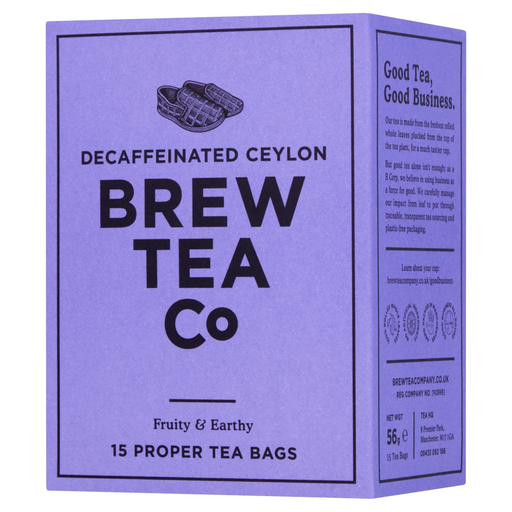
The 15-bag decaf pack offers a smaller supply if you want to try the tea before choosing a larger box. Check the pack’s caffeine statement and storage directions rather than treating decaf as a zero-caffeine guarantee.
 No image available
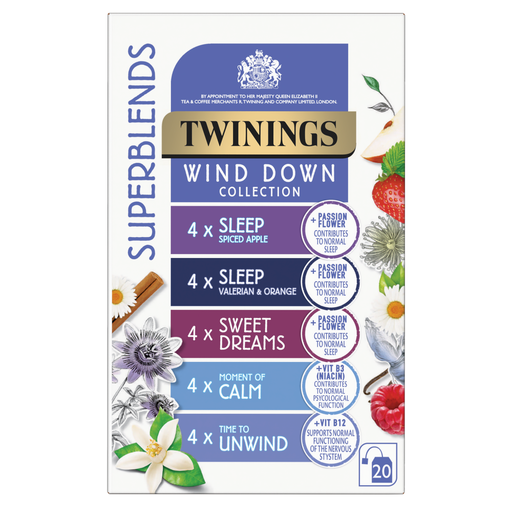
Consider this 20-bag fruit-and-herbal collection if you want flavour variety rather than a black-tea cup. Check the ingredients and allergen information for the particular bag before offering it in a shared breakroom.
The timing of your break is the main distinction: regular tea is a caffeinated choice, while decaf is a lower-caffeine option to consider later in the shift. NHS night-shift guidance advises stopping caffeine at least four hours before the shift ends because it may affect daytime sleep.
Do not assume so. Tesco’s listing for PG Tips Decaf Black Tea states less than 0.2% caffeine; check the current pack when the figure for a particular tea matters to you.
A jar is optional for organising bags, but the product’s storage directions still apply. Clipper specifies cool, dry storage, while the Joybuy listing for Yorkshire Tea Biscuit Brew calls for original, airtight packaging away from strong odours.
Read the ingredients and allergen information for the exact tea, especially for flavoured blends or mixed collections. Keep the labelled packaging available so colleagues can check the information for the bag they choose.
A snack-inspired flavour tells you how the drink is described, not whether it provides food or contains caffeine. Check the blend before drinking it late in your shift, and bring food separately if you want a snack.