What should you check before buying?
Start with the caffeine wording, then choose the flavour and ingredient list you would want with a snack. A night-themed name alone does not answer either question.
| Priority | What to check | Your needs |
|---|
| Caffeine |
Look for an explicit naturally caffeine-free claim and check for mate or guarana. Twinings says decaffeinated tea can retain minor caffeine traces. |
I want a drink near the end of my shift without unintentionally adding caffeine before daytime sleep. |
| Flavour |
Compare peppermint or chamomile with fruit-and-floral blends. For a conventional tea profile, check whether the product is decaffeinated tea rather than an herbal infusion. |
A mint or floral drink might suit my snack; if I want my usual tea with milk, decaf conventional tea is the closer format. |
| Ingredients |
Read the current pack’s full list, especially for multi-herb blends. Pukka Night Time and Clipper Sleep Easy list valerian; Tesco advises checking the label rather than relying solely on a retailer page. |
I prefer to see every herb before choosing a night blend, particularly if medicines or other circumstances make ingredient suitability important. |
| Pack format |
Check the number of tea bags or sachets and the individual brewing directions. Do not assume that products with similar names have the same recipe. |
I want a format that is straightforward to prepare on a shift break and a pack size that fits how often I drink it. |
Joybuy tea options
These tea-bag and sachet options offer herbal flavours alongside a decaf tea for a night-shift snack. Check each current pack for its caffeine wording and ingredients before choosing, particularly when avoiding caffeine traces or assessing a blend.
 No image available
Twinings Pure Peppermint 80 Pack
A peppermint option for a mint-flavoured drink with a shift snack. The pack contains 80; check its current ingredient list and caffeine wording before buying.
 No image available
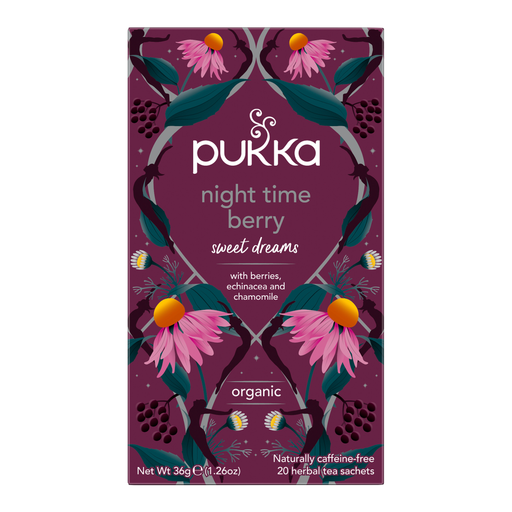
Pukka Night Time Berry Organic 20 Tea Sachets 36g
A berry-named, night-style option in 20 sachets. Check the current pack’s caffeine statement and full list of herbs for suitability; the night-time name is not a claim of a sleep benefit.
 No image available
Twinings Lemon & Ginger Tea Bags 20 Pack
A lemon-and-ginger choice when you want a different flavour from mint or chamomile with your snack. The pack contains 20 tea bags; confirm the caffeine wording and ingredients on the current pack.
 No image available
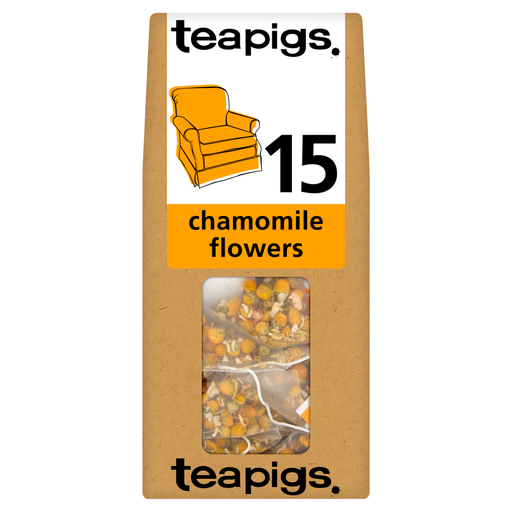
Teapigs Chamomile Flowers 15 Tea Bags 180g
A chamomile-flavoured alternative to mint or conventional tea for a snack break. The named variant has 15 tea bags and is labelled 180g; check the current pack for its ingredients and caffeine wording.
 No image available
Clipper Organic Fairtrade Decaf Everyday 80 Tea Bags 277g
A decaf option if you prefer a conventional tea format with your snack. This variant has 80 tea bags and is labelled 277g. Decaf tea can retain small caffeine traces, so check the pack if the remaining caffeine matters to you.
Questions about night-shift tea
Is decaf tea the same as caffeine-free tea?
No. Twinings says decaffeination removes nearly all caffeine from tea, but minor traces can remain. Most herbal and fruit infusions are naturally caffeine-free, although blends with mate or guarana can contain caffeine; check the individual pack.
What should I choose near the end of a night shift?
If minimising added caffeine is your priority, choose a drink explicitly labelled naturally caffeine-free and check its ingredients. NHS night-shift guidance advises minimising caffeine in the evening; choosing a tea does not replace other sleep or fatigue-management measures.
Does a night-time herbal tea help me sleep?
Do not treat a bedtime-themed product description as evidence of a sleep effect. Choose a blend for its stated caffeine status, flavour and ingredients, and check whether the herbs suit you.
When should I ask about a herbal blend’s ingredients?
Ask a pharmacist or clinician about suitability if you take medicines, are pregnant or breastfeeding, or have kidney or liver problems. NHS guidance cautions that herbal products are not suitable for everybody; check the specific blend’s ingredients rather than relying on its name.
Where should I check ingredients and allergens?
Read the label on the current pack, including its ingredients, allergen information and any warnings. Tesco advises this because product information can change and a retailer webpage should not be the only source used for that check.


