
24/7 Customer Support

Free returns

Same-day & Next-day Delivery

Quality Guaranteed

Unlock Your Welcome Offers: FREE Delivery | Up to 80% OFF | Free 30-day JoyPlus trial
Download the APP
Navigating the journey of potty training and night-time dryness can be a significant milestone for both children and parents. Whether your little one is just starting to transition away from nappies or is an older child needing a bit of extra confidence overnight, finding the right solution is key. The constant cycle of wet sheets and disrupted sleep can be challenging, but the right night time pull ups can make all the difference, ensuring your child wakes up dry, comfortable and confident.
This guide is designed to help you understand the key features to look for in absorbent sleep pants and to highlight some dependable options available in the UK. Our goal is to provide practical information to help you choose a product that suits your child's specific needs.
With many options on the market, from potty training pants to pyjama pants for bedwetting, it helps to know what features matter most for a peaceful night.
The primary function of overnight nappies for toddlers and older children is to provide reliable protection for up to 12 hours. Look for products with a high-capacity absorbent core designed specifically for night-time use. This core should quickly lock away moisture to keep your child's skin dry. Features like reinforced leak guards around the legs are also crucial for preventing leaks, especially for children who move a lot in their sleep.
A snug yet flexible fit is essential. The pants should feel more like underwear than a bulky nappy to promote comfort and independence. Look for designs with a 360-degree stretchy waistband that adapts to your child’s shape and movements. For older children, discretion can be a major factor in their self-esteem. Materials that are soft and quiet under pyjamas can help them feel more at ease, particularly during sleepovers or family trips.
A child's skin is delicate, so the materials used in bedwetting pants are important. Many parents prefer options that are dermatologically tested, hypoallergenic and free from common irritants like perfumes and lotions. For families prioritising sustainability, there is a growing selection of eco-friendly nappy pants. These often use plant-based materials, are produced in carbon-neutral facilities and come in recyclable packaging.
Here are a few options that address the different needs of children and parents, from discretion for older kids to eco-conscious design.
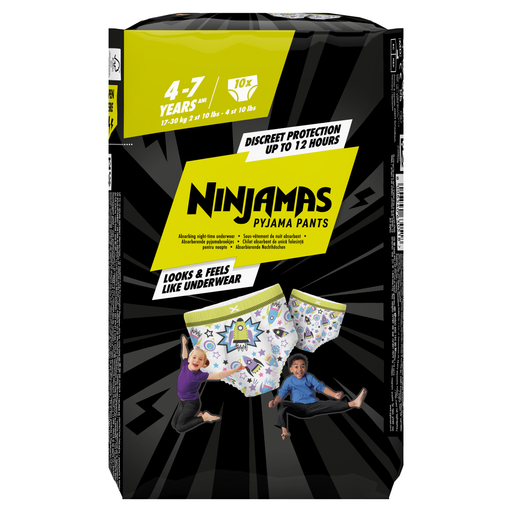
Why It Stands Out: These pyjama pants are specifically designed with older children in mind, focusing on discretion and an underwear-like feel. The use of QuietCloth material minimises rustling sounds, helping children feel more confident and less self-conscious.
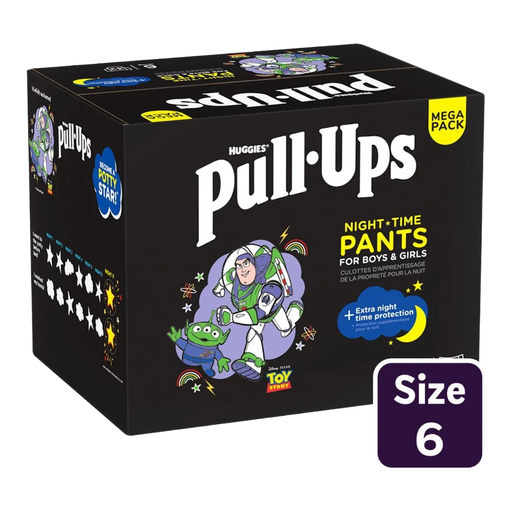
Why It Stands Out: These pull up nappies are built to support the potty training process. The all-round stretchy fit allows toddlers to pull them up and down themselves, fostering independence, while an extra absorbent layer provides the security needed for overnight use.
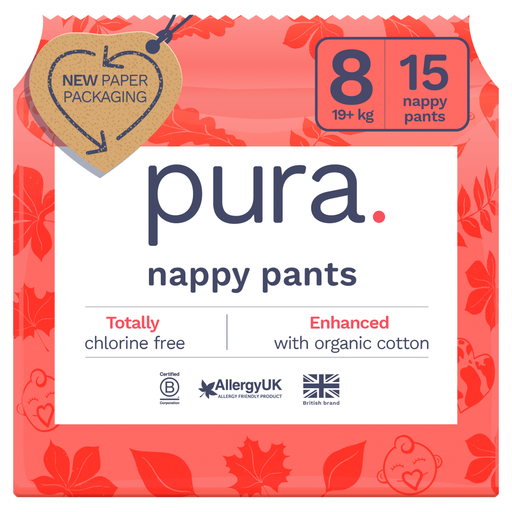
Why It Stands Out: Pura's nappy pants are a strong choice for parents who prioritise both skin health and environmental responsibility. They are Allergy UK certified and made with soft, plant-based materials, all while being produced in a carbon-neutral plant.
Ensuring your child feels secure and comfortable at night is a cornerstone of their well-being. A calm and supportive home environment plays a huge role in every stage of their development. While you focus on a restful night for your little one, it is just as important to create spaces where you can relax and recharge.
If you are thinking about enhancing the comfort of your family's living space, you may find inspiration in our curated collections.
Explore our range of comfortable couches
Yes, they are designed differently. Night time pull ups typically feature a more absorbent core to handle a longer period without changes, often up to 12 hours. They also tend to have enhanced leak guards and a more secure fit to prevent leaks while the child is lying down and moving during sleep.
There is no single "right" age. Night-time bladder control is a physiological development that children achieve at their own pace, usually between the ages of 3 and 7, though it can sometimes be later. The key is to remain patient and supportive until your child consistently has dry nights.
Alongside using reliable pyjama pants for bedwetting, establishing a consistent bedtime routine can help. This might include limiting drinks an hour or two before bed, encouraging a final trip to the toilet just before they get into bed and always maintaining a positive and reassuring attitude to reduce any anxiety they may feel.