
24/7 全天候客户支持

免费退货

当日/次日达

品质保障

开启新人专享福利: 全场免邮 | 低至 2 折 | 免费试用 30 天 JoyPlus 会员
下载 Joybuy
Whether you're preparing food in a professional kitchen, carrying out a clinical procedure, detailing a car or simply tackling household cleaning, the right pair of disposable gloves is non-negotiable. Yet, the market is flooded with options that look similar but perform very differently. Choosing incorrectly doesn't just lead to frustration; it can compromise safety and hygiene. Many UK shoppers fall into common traps, ending up with gloves that tear at the worst moment or aren't suitable for the task.
Before you add another box to your basket, let's look at the pitfalls to avoid:
To make an informed choice, you need to look past the marketing copy and understand a few core parameters. These details determine a glove's performance, safety and suitability for your specific needs.
The material is the most critical factor. While all are types of disposable gloves, their properties vary significantly.
These terms are not interchangeable and are governed by specific UK and EU standards.
Beyond the core material and certifications, a few design features dramatically improve the user experience.
We've matched some popular options to the people who will get the most value from them, helping you bypass the common purchasing traps.
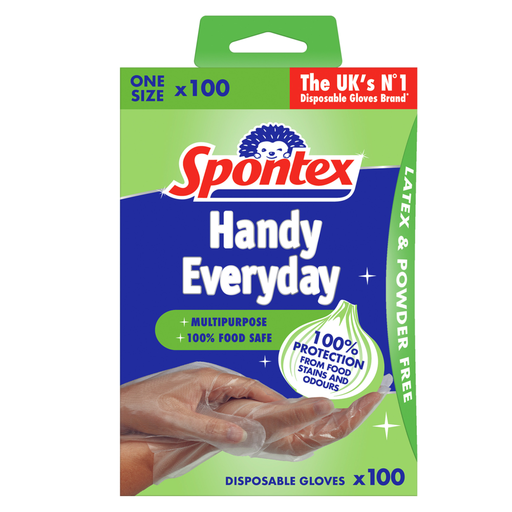
Why This Fits Their Persona: Perfect for the UK household that needs a reliable glove for a bit of everything: cleaning the bathroom, prepping a Sunday roast, potting plants or light DIY. The dispenser box makes them easy to grab for any task.
This product is explicitly latex-free and food-contact approved, directly addressing the allergy and food-safety confusion for domestic users.
Versatile for multiple domestic tasks and comes in a convenient dispenser-style box for easy access and storage.
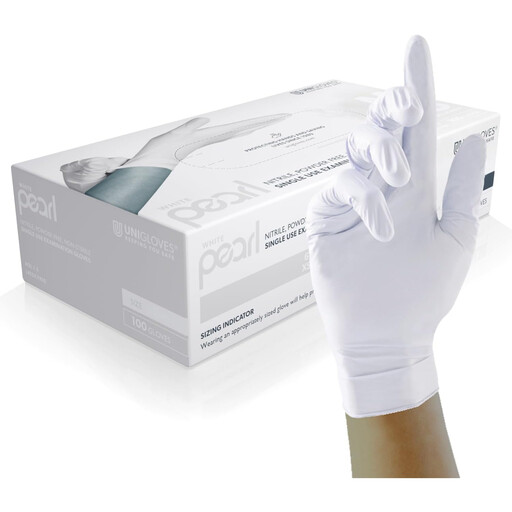
Why This Fits Their Persona: Designed for chefs, caterers and food handlers who need reliable, hygienic protection. The nitrile material conforms to the hand, providing excellent dexterity for intricate tasks like plating or deboning fish.
It is certified as suitable for contact with all food types, avoiding the "vague food safe" trap. Its durable nitrile construction resists oils and fats without degrading.
Medical grade gloves (AQL 1.5) that are also fully food safe. The textured finish ensures a secure grip on utensils and ingredients, even in wet conditions.
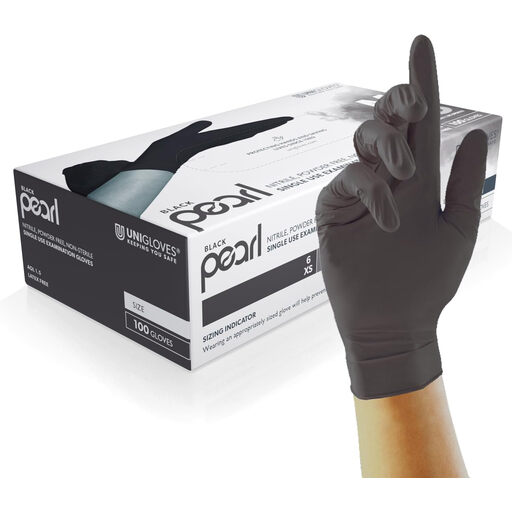
Why This Fits Their Persona: A popular choice among tattoo artists, dentists and mechanics in the UK. The black colour masks inks and oils, while the high tensile strength and snug fit provide the control and protection needed for detailed, high-stakes work.
This glove's form-fitting nitrile formulation and range of sizes combat the "one-size-fits-all" problem, preventing tears and ensuring maximum dexterity for precision tasks.
High puncture and chemical resistant gloves. The touchscreen compatibility is a practical bonus, allowing use of tablets and phones without removal.
We have compiled a complete, real-time list of products that fully satisfy these strict selection criteria and UK safety regulations.
1. How do I find the right size for nitrile gloves? Finding the correct size is crucial for comfort and performance. To get a good estimate, use a flexible measuring tape to measure the circumference of your dominant hand around the knuckles (excluding the thumb). Compare this measurement to the manufacturer's sizing chart, which is typically available on the product page. A well-fitting glove should be snug without being restrictive.
2. Can you reuse nitrile gloves? No, nitrile gloves are designed for single use only. Reusing them can lead to cross-contamination and compromises the material's integrity. Micro-tears, which may not be visible to the naked eye, can occur during the first use, rendering the glove ineffective as a protective barrier. Always dispose of them responsibly after each task.
3. Are coloured nitrile gloves just for aesthetics? While colours like black or pink can be a style choice, they also serve a practical purpose in professional settings. Colour-coding is a common practice in healthcare and food service to prevent cross-contamination. For example, a kitchen might use blue gloves for handling raw fish and green gloves for vegetables. In other fields, dark colours like black are used to mask stains from ink, blood or grease.