Who is choosing breakfast cola?
The useful distinction is whether you are choosing for your sugar preference, your caffeine preference or the number of people sharing the drink.
Breakfast cola drinkers comparing sugar content
If you want cola with a weekend breakfast without choosing a regular sugary variant, read the sugars declaration for the exact drink and serving size. Similar-sounding product names do not replace the nutrition panel.
People who prefer to avoid caffeine
If breakfast already includes tea or coffee, or you simply do not want caffeine in your cola, look for an explicitly named caffeine-free variant. A zero-sugar claim alone does not answer that question.
Households sharing a bottle or multipack
Choose a pack format that fits the number of drinkers and occasions. For a large bottle, check its storage and after-opening instructions as well as its volume.
What should you check before buying?
Start with the sugar declaration and caffeine status for the exact variant. Then compare ingredients and pack format against how your household will use it.
| Priority |
What to check |
Your needs |
| Sugar declaration |
Read the exact variant’s sugars figure per 100ml and, if useful, per serving. Check whether its description says zero sugar or no added sugar rather than treating the phrases as interchangeable nutrition figures. |
I want to know what is in the cola I will pour at breakfast, not rely on the name of a wider product range. |
| Caffeine |
Check the variant name and ingredients for caffeine. Standard Coca-Cola Zero Sugar, Pepsi Max and Tesco Diet Cola list it; separately named caffeine-free options include Pepsi Max No Caffeine and Coca-Cola Zero Sugar Zero Caffeine. |
If tea or coffee is already part of breakfast, I may prefer a cola explicitly labelled caffeine-free. |
| Sweeteners and labels |
Read the sweetener ingredients and any phenylalanine statement on the exact pack. Sugar-free and caffeine-free are separate characteristics; neither means sweetener-free. |
I need to check the ingredients and on-pack statements relevant to my household before settling on a variant. |
| Pack format |
Compare bottle volume with can size and pack count. For bottles, read the storage and after-opening directions on the pack. |
A few individual servings may suit breakfast differently from a sharing bottle that will be opened more than once. |
| Frequent sipping |
Consider when you will drink the cola, not only its sugar declaration. Northumbria Healthcare NHS Foundation Trust notes that sugar-free fizzy drinks remain acidic and can contribute to tooth erosion. |
I might have cola with breakfast, but I do not want to mistake it for water to sip routinely throughout the morning. |
Relevant brand and own-label options
These examples illustrate distinct variants and label checks; a brand name alone does not tell you whether a particular cola contains caffeine.
Coca-Cola
Coca-Cola Zero Sugar is a zero-sugar option, while Coca-Cola Zero Sugar Zero Caffeine is a separately named variant on Coca-Cola GB’s product pages.
- Coca-Cola GB lists 0g sugars for Coca-Cola Zero Sugar and names its sweeteners in the ingredients.
- Do not assume the standard Zero Sugar variant is caffeine-free; check which variant is on the pack.
Pepsi
Pepsi UK presents standard Pepsi Max as a no-sugar cola and Pepsi Max No Caffeine as a distinct no-sugar, no-caffeine option.
- The separate No Caffeine name makes the caffeine choice clearer when comparing Pepsi Max variants.
- Pepsi UK lists caffeine in standard Pepsi Max, so check the variant rather than relying on the Max name alone.
Tesco
Tesco Diet Cola is an own-label, no-added-sugar cola offered in a 2L bottle.
- The 2L format gives households a sharing-bottle option to compare with cans.
- Tesco’s product description identifies caffeine and sweeteners; check the current pack for ingredients and after-opening directions.
Joybuy cola options
These zero-sugar cola packs include caffeine-free choices, standard caffeinated variants, individual cans and larger bottles. Compare the exact variant and pack size before choosing one for breakfast.
 No image available
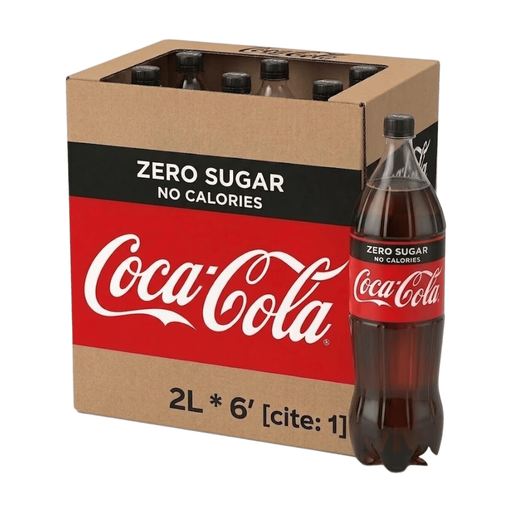
Coca-Cola Zero Sugar, 6 × 2L
A large-bottle multipack for households planning to share cola across breakfast occasions. This standard Zero Sugar variant contains caffeine and sweeteners; check each bottle’s after-opening instructions and any dietary statements on the pack.
View on Joybuy
 No image available
Pepsi Max Caffeine Free, 24 × 330ml
An individually portioned, no-sugar option if you prefer to avoid caffeine at breakfast. Caffeine-free does not mean sweetener-free; check the can’s ingredients and phenylalanine statement if relevant.
View on Joybuy
 No image available
Pepsi Max, 24 × 330ml
A standard no-sugar Pepsi Max can multipack for breakfasts where caffeine is acceptable. This is not the No Caffeine variant; its ingredients include caffeine and sweeteners.
View on Joybuy
 No image available
Coca-Cola Zero Sugar, 24 × 330ml
Individual cans provide another pack format for choosing Coca-Cola Zero Sugar with breakfast. This standard variant contains caffeine and sweeteners, so choose a separately labelled caffeine-free cola if caffeine avoidance matters.
View on Joybuy
 No image available
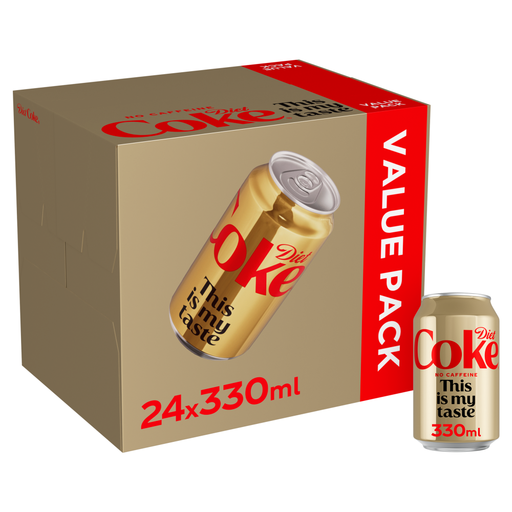
Diet Coke No Caffeine, 24 × 330ml
A no-sugar, no-caffeine cola in individual cans for households that prefer this Diet Coke variant. Check its sweeteners and phenylalanine statement on the pack where relevant to your dietary requirements.
View on Joybuy
Breakfast cola questions
Does no-added-sugar cola always mean caffeine-free?
No. Standard Coca-Cola Zero Sugar, Pepsi Max and Tesco Diet Cola list caffeine. If you want to avoid it at breakfast, choose a separately named Caffeine Free or No Caffeine variant and check the exact pack.
Are zero sugar and no added sugar the same label claim?
Do not assume the phrases give you the same nutrition figure. Coca-Cola and Pepsi describe the named Zero Sugar and Max products as having no sugar, while Tesco describes Diet Cola as no added sugar. Read the sugars declaration for the exact product to make the comparison that matters to you.
What should I check about sweeteners and phenylalanine?
Read the exact cola’s ingredient list and any on-pack phenylalanine statement; zero sugar and no caffeine do not mean no sweeteners. If a prescribed diet makes that statement relevant, use the pack information and advice from your healthcare professional rather than assuming every variant has the same ingredients.
Is sugar-free fizzy cola equivalent to water for frequent drinking?
No. Northumbria Healthcare NHS Foundation Trust notes that sugar-free fizzy drinks are still acidic and can contribute to tooth erosion. That distinction matters if breakfast cola would become a drink you repeatedly sip throughout the morning.
Should I choose cans or a large bottle for breakfast?
Choose the format around how many people will drink it and whether an opened bottle will be used again. Cans provide individual servings; for a large bottle, check the exact pack’s storage and after-opening instructions before deciding.


