For a weekly shop, check the sugars per 100ml, choose a flavour the household will drink, and match the caffeine label and pack size to how the cola will be used. Coca-Cola GB describes Coca-Cola Zero Sugar as closer in flavour to Coca-Cola Original Taste and Diet Coke as lighter and distinct; Pepsi UK lists Pepsi Max as another 0g-sugars-per-100ml option. If caffeine is the deciding factor, choose a separately labelled caffeine-free variant rather than assuming a zero-sugar cola has no caffeine.
Who is choosing?
Households changing their regular cola
If several people share the weekly shop, check that the chosen flavour and pack size suit how often they drink cola. Tesco advises refrigerating its Every Day Value Sugar Free Cola after opening and consuming it within three days, which matters when considering a large bottle.
Shoppers with a particular cola flavour in mind
Coca-Cola GB distinguishes the Original Taste-style positioning of Coca-Cola Zero Sugar from Diet Coke’s lighter, different flavour blend. Pepsi Max offers a separate Pepsi option; a large multipack makes more sense once the household knows which flavour it wants.
People checking caffeine
Standard Coca-Cola Zero Sugar and Pepsi Max list caffeine in their ingredients. Their manufacturers also identify separate caffeine-free zero-sugar variants, so check the full variant name rather than relying on “zero sugar” or “diet”.
What matters for the weekly shop?
Start with the exact drink label, then decide which flavour and format the household is likely to use.
| Priority |
What to check |
Your needs |
| Sugars |
Read sugars per 100ml on the exact variant, as well as its front-of-pack claim. Pepsi UK lists 0g sugars per 100ml for Pepsi Max, and Coca-Cola GB lists 0g for Coca-Cola Zero Sugar. |
I want to replace my usual sugary cola, so I need to compare the nutrition panels of the drinks I am considering. |
| Flavour |
Compare the named variants before buying a multipack. Coca-Cola GB describes Zero Sugar as closer to Coca-Cola Original Taste and Diet Coke as having a lighter, different flavour blend; those descriptions are the manufacturer’s positioning, not a taste test. |
Will everyone drinking the cola want the same flavour, or would a smaller pack be easier to use? |
| Caffeine and ingredients |
Check whether the exact variant lists caffeine and aspartame. Standard Coca-Cola Zero Sugar and Pepsi Max list both; Coca-Cola Zero Sugar Zero Caffeine and Pepsi Max No Caffeine are separately identified variants. |
If I want to avoid caffeine, I need the caffeine-free version named on the pack. For someone with phenylketonuria (PKU), the NHS says aspartame is unsuitable because it contains phenylalanine. |
| Pack format |
Compare the amount in each bottle or can and the number of drinks in a multipack. For an opened bottle, read its storage and use-by-opening guidance; Tesco’s Every Day Value Sugar Free Cola 2L says to refrigerate it and consume it within three days. |
A large bottle suits us only if we are likely to finish it in time; individual cans may fit a household that opens cola less often. |
What is easy to overlook?
-
Reading “no added sugar” as a complete ingredient description
A sugar claim does not tell you whether the drink contains caffeine or sweeteners. Standard Coca-Cola Zero Sugar and Pepsi Max list sweeteners, including aspartame, and caffeine in their ingredients.
Check sugars per 100ml and read the ingredient list of the exact variant. If caffeine matters, look for an explicitly caffeine-free product; if PKU matters, check for aspartame and a phenylalanine warning.
-
Choosing a large bottle without planning when to open it
Tesco advises refrigerating its Every Day Value Sugar Free Cola 2L after opening and consuming it within three days. That window may not suit a household that drinks cola occasionally.
Before choosing a bottle or a can multipack, consider how many servings the household will use after each container is opened.
-
Assuming zero sugar removes the concern about acidic fizzy drinks
The NHS says carbonated drinks are associated with dental erosion because of their acid content, whether they contain sugar or sweeteners.
Choose a no-sugar cola for its sugar content and other stated features, not on the assumption that it is tooth-neutral.
Brand and own-label references
Coca-Cola
Coca-Cola GB distinguishes Coca-Cola Zero Sugar, Diet Coke and a separately labelled Coca-Cola Zero Sugar Zero Caffeine variant.
- Coca-Cola GB describes Zero Sugar as closer to Coca-Cola Original Taste and Diet Coke as having a lighter, different flavour blend.
- Standard Coca-Cola Zero Sugar lists caffeine flavouring and sweeteners, including aspartame. Check the variant label if either ingredient affects your choice.
Pepsi
Pepsi UK lists standard Pepsi Max and Pepsi Max No Caffeine as separate no-sugar colas.
- Pepsi UK lists 0g sugars per 100ml for both Pepsi Max and Pepsi Max No Caffeine.
- Standard Pepsi Max lists caffeine-containing flavourings and aspartame; check the precise variant when choosing for caffeine or ingredient requirements.
Tesco
Tesco’s Every Day Value Sugar Free Cola is an own-label 2L bottle to consider alongside branded options.
- Tesco describes the drink as a no-added-sugar cola and lists less than 0.1g sugars per 100ml.
- It contains caffeine; Tesco advises refrigerating the bottle after opening and consuming it within three days. Check the current pack label for ingredients and allergens.
Cola multipacks at Joybuy
These canned multipacks cover standard cola flavours, a cherry variant and a caffeine-free Pepsi Max option. Match the flavour, caffeine label and can size to what your household will drink.
 No image available
Pepsi Max Caffeine Free 24 × 330ml
A 24-can format for a household that wants a specifically labelled caffeine-free Pepsi Max. Pepsi UK lists 0g sugars per 100ml for Pepsi Max No Caffeine; check the pack ingredients if aspartame is relevant to you.
View at Joybuy
 No image available
Coca-Cola Zero Sugar 24 × 330ml
A 24-can option if the household wants Coca-Cola Zero Sugar’s manufacturer-described Original Taste-style flavour. Coca-Cola GB lists 0g sugars per 100ml for standard Zero Sugar, which contains caffeine flavouring and sweeteners including aspartame.
View at Joybuy
 No image available
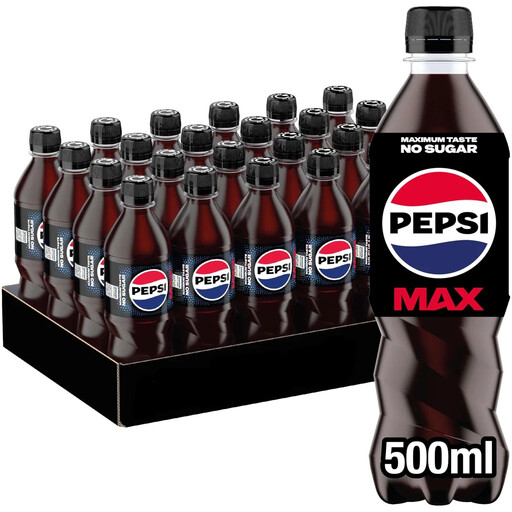
Pepsi Max 24 × 550ml
This pack pairs the standard Pepsi Max variant with 550ml cans; consider whether that can size suits each serving. Pepsi UK lists 0g sugars per 100ml for Pepsi Max and identifies caffeine-containing flavourings and aspartame.
View at Joybuy
 No image available
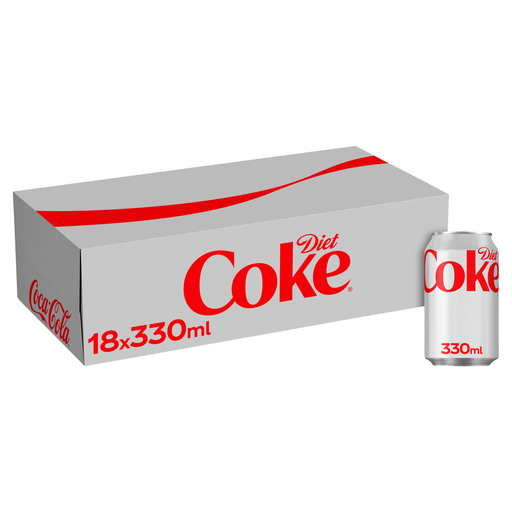
Diet Coke 18 × 330ml
An 18-can pack for a household that prefers Diet Coke’s distinct flavour blend, which Coca-Cola GB describes as lighter than Coca-Cola Zero Sugar. Coca-Cola GB describes both drinks as sugar-free; check this pack’s ingredient list if caffeine or aspartame affects your choice.
View at Joybuy
 No image available
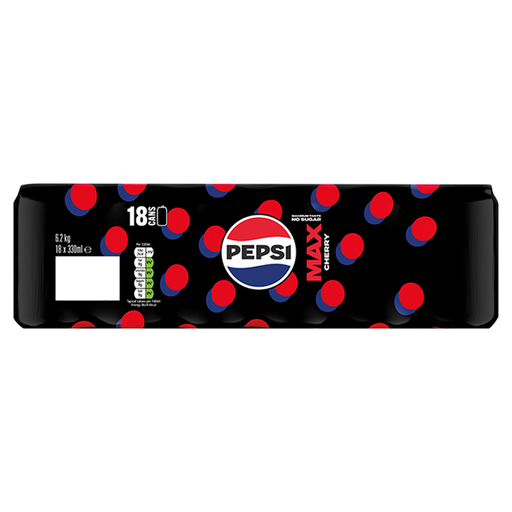
Pepsi Max Cherry 18 × 330ml
An 18-can cherry variant rather than a standard cola flavour; check that the household wants cherry before making it the regular multipack. Read the exact pack’s sugars-per-100ml figure and ingredient list when choosing for sugar, caffeine or aspartame requirements.
View at Joybuy
Frequently asked questions
Does “no added sugar” mean a cola has 0g sugar?
Not necessarily: check the sugars-per-100ml figure on the exact drink rather than treating the front-of-pack wording as its nutrition value. Pepsi UK lists 0g sugars per 100ml for Pepsi Max, and Coca-Cola GB lists 0g for Coca-Cola Zero Sugar.
Are standard zero-sugar colas caffeine-free?
No. Standard Coca-Cola Zero Sugar and Pepsi Max list caffeine in their ingredients. If you want none, check for a separately labelled option such as Coca-Cola Zero Sugar Zero Caffeine or Pepsi Max No Caffeine.
What should someone with PKU check on a cola label?
Check for aspartame and a declaration that the drink contains a source of phenylalanine. The NHS says aspartame is unsuitable for people with phenylketonuria (PKU); standard Coca-Cola Zero Sugar and Pepsi Max list aspartame in their ingredients.
How do I choose between a 2L bottle and cans?
Choose a format the household is likely to use after opening it. Tesco advises refrigerating its Every Day Value Sugar Free Cola 2L and consuming it within three days of opening; individually opened cans avoid having one large bottle open over that period.
Does zero sugar make fizzy cola tooth-neutral?
No. The NHS says carbonated drinks are associated with dental erosion because of their acid content, regardless of whether they contain sugar or sweeteners. A zero-sugar label answers a sugar-content question, not an acidity question.


