If you specifically want a cola described as “no added sugar”, check for those words on the exact product rather than relying on “diet” or “zero sugar”. For a first shop, choose a pack size you can use and store, then check its ingredients: a zero-sugar cola is not necessarily caffeine-free, and different variants contain different sweeteners.
Who is this choice for?
Shoppers looking for a specific label claim
If “no added sugar” is your requirement, the wording on the individual bottle or can matters more than a familiar “diet” or “zero” name. A nutrition panel gives you a separate way to compare the sugars listed per 100 ml.
First-shop planners choosing a pack size
A bottle and a can multipack make different demands on fridge and cupboard space. Think about how much cola your household is likely to use before choosing a larger format.
Shoppers checking caffeine
Zero-sugar and caffeine-free describe different things. If caffeine is a deciding factor, look for an explicitly caffeine-free variant and check the ingredients on that pack.
What should you check before buying?
Start with the sugar-related wording, then check ingredients and pack size. Tesco describes its Diet Cola 2 L as “no added sugar”; the Coca-Cola Zero Sugar and Pepsi Max examples are labelled as zero-sugar or no-sugar choices, which does not establish the wording on every variant.
| Priority |
What to check |
Your needs |
| Sugar-related claim |
Read the exact claim on the pack. “No added sugar” concerns what was added; “sugar-free” concerns sugar content. Compare “of which sugars” per 100 ml separately. |
I specifically want a product described as “no added sugar”, rather than choosing from a “diet” or “zero” name alone. |
| Caffeine and sweeteners |
Check the ingredient list on the exact variant. Look for an explicit caffeine-free label if needed, and read which sweeteners are named. |
If I am avoiding caffeine or a particular sweetener, I need to check the individual pack before it goes in the basket. |
| Pack format |
Compare the stated bottle volume or can count and size. Consider storage space and whether you prefer one opened bottle or separate cans. |
A smaller multipack makes sense if I am trying a cola or have limited space; a larger pack only suits me if I expect to use it. |
| Everyday use |
Check whether the drink contains caffeine and consider how often you intend to have fizzy cola. The British Heart Foundation notes that even sugar-free fizzy drinks are acidic. |
I want cola as a soft-drink choice, not to assume that a sugar-free label makes it a substitute for water throughout the day. |
Common buying mistakes
-
Reading “zero sugar” as “no added sugar”
The phrases answer different questions. A zero-sugar name alone does not tell you whether the pack carries the specific “no added sugar” claim.
Check the exact wording on the product you are buying, then read its “of which sugars” figure per 100 ml.
-
Assuming zero sugar also means no caffeine
The Coca-Cola Zero Sugar and Pepsi Max examples described by Joybuy list caffeine. Caffeine-free choices are separately named variants.
Choose an explicitly caffeine-free product when that matters to you, and confirm the ingredients on the individual pack.
-
Treating sugar-free fizzy cola as an everyday water replacement
The British Heart Foundation notes that sugar-free fizzy drinks can still be acidic and may damage tooth enamel if consumed often.
Keep water available for everyday drinking and consider how frequently you have fizzy cola.
Relevant brand references
These examples show how product wording and variants differ; a brand name alone cannot confirm the claim or ingredients on every pack.
Tesco
Tesco describes its Diet Cola 2 L as a “no added sugar” cola-flavour soft drink.
- Its product description uses the specific “no added sugar” wording.
- The listed drink contains caffeine and sweeteners; “diet” does not mean caffeine-free.
Coca-Cola
Coca-Cola Zero Sugar is a branded zero-sugar option sold in can multipacks, with a separately named Zero Caffeine variant.
- Joybuy lists 0 g sugars per 100 ml for its Coca-Cola Zero Sugar 24-can product.
- That Joybuy product lists caffeine and sweeteners. Check the exact variant if either matters to you.
Pepsi
Pepsi Max is a no-sugar cola option; separately named caffeine-free Pepsi Max products are also listed.
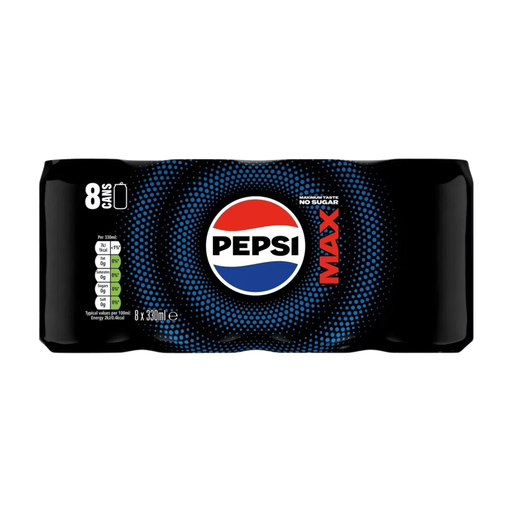
- Joybuy lists 0 g sugars per 100 ml for its Pepsi Max No Sugar 8-can product.
- That product lists caffeine, aspartame and acesulfame-K. Check the ingredients of the variant you choose.
Cola options on Joybuy
These can multipacks offer different sizes and include regular and explicitly caffeine-free variants. If you require the exact words “no added sugar”, check the wording on the pack before choosing: a no-sugar or diet product name does not establish that claim.
 No image available
Pepsi Max No Sugar 8 × 330 ml
Eight cans give you a smaller multipack for a first shop. Joybuy lists 0 g sugars per 100 ml for this product and names caffeine, aspartame and acesulfame-K in its ingredients. Check the pack if you need the specific “no added sugar” wording.
View on Joybuy
 No image available
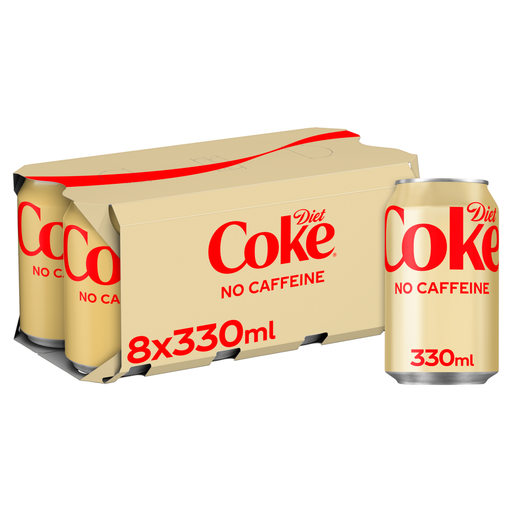
Diet Coke Caffeine Free 8 × 330 ml
This explicitly caffeine-free variant comes in eight 330 ml cans. Check its sweeteners and the exact sugar-related claim on the pack if either affects your choice.
View on Joybuy
 No image available
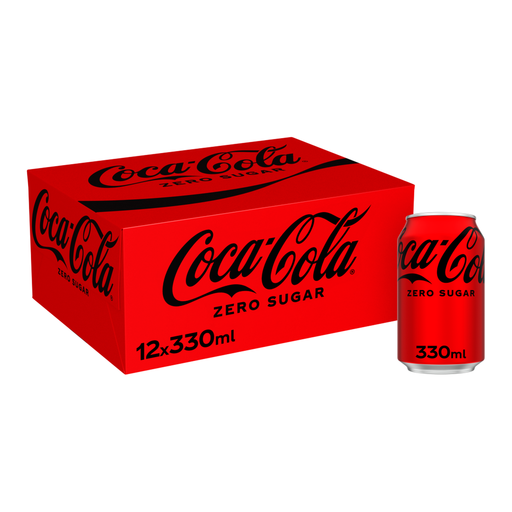
Coca-Cola Zero 12 × 330 ml cans
A 12-can option if you prefer individual cans to a bottle. Check the pack’s precise sugar-related wording, caffeine and sweeteners rather than treating “Zero” as a description of all three.
View on Joybuy
 No image available
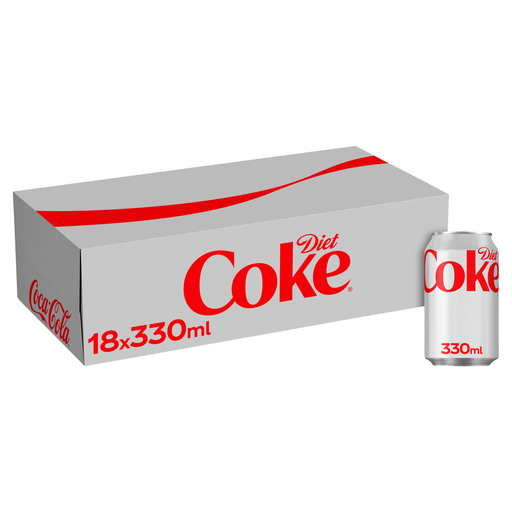
Diet Coke 18 × 330 ml cans
This 18-can pack is a larger first-shop commitment than the eight-can options. Check that its pack size suits your storage and use, and read the sugar-related claim and ingredients on the product.
View on Joybuy
 No image available
Pepsi Max Caffeine Free 24 × 330 ml
This explicitly caffeine-free variant contains 24 individual 330 ml cans, so consider whether the larger pack fits your first shop. Check the sweeteners and the exact sugar-related wording on the pack.
View on Joybuy
Questions about cola labels and use
Is “no added sugar” the same as “sugar-free”?
No. “No added sugar” concerns what has been added to the product, while “sugar-free” concerns how much sugar it contains. If the former wording is your requirement, look for it on the exact pack; use the “of which sugars” figure per 100 ml to compare sugar content separately.
Does a zero-sugar cola contain caffeine?
It can. The Coca-Cola Zero Sugar and Pepsi Max examples listed by Joybuy include caffeine, while separately named caffeine-free variants are available. Check the title and ingredients of the individual product rather than relying on “zero sugar”.
Should sugar-free cola replace water throughout the day?
Treat cola as a soft-drink choice rather than assuming its sugar-free label makes it a water replacement. The NHS identifies diet, sugar-free and no-added-sugar drinks as alternatives to sugary drinks and advises checking caffeine information where relevant.
Does sugar-free mean fizzy cola is harmless for teeth?
No. The British Heart Foundation notes that even sugar-free fizzy drinks are acidic and can damage tooth enamel if consumed often. Sugar content and acidity are separate considerations when deciding how frequently to drink cola.


