What should you check before buying?
Start with caffeine and ingredient requirements, then choose a pack that suits the number of people pouring drinks or taking individual servings.
| Priority |
What to check |
Your needs |
| Sugars |
Read sugars per 100ml on the nutrition panel. The Coca-Cola Zero Sugar, Pepsi Max and Tesco Diet Cola examples declare 0g or under 0.1g per 100ml in the product information supplied by Coca-Cola GB, Pepsi UK and Tesco. |
I want to compare the sugar content of the actual cola I am buying, not rely on its name alone. |
| Caffeine |
Check for caffeine in the ingredients or an explicit caffeine-free label. The standard Coca-Cola Zero Sugar, Pepsi Max and Tesco Diet Cola products list caffeine; Pepsi UK offers Pepsi Max No Caffeine. NHS Borders advises avoiding caffeinated drinks close to bedtime. |
For a late film, I would choose a clearly labelled caffeine-free drink if anyone wants to avoid caffeine. |
| Sweeteners |
Read the ingredients and any phenylalanine statement on the specific pack. Coca-Cola GB and Pepsi UK list aspartame in the relevant colas; Tesco lists acesulfame K and sucralose for its Diet Cola. |
If someone needs to avoid a particular sweetener or has phenylketonuria (PKU), I need the ingredient and warning information for that exact drink. |
| Serving format |
Compare the stated bottle volume or can count with how drinks will be served. Tesco lists a 2-litre Diet Cola bottle and 330ml can multipacks in its no-sugar cola range; its Diet Cola instructions say to consume the bottle within three days of opening. |
Will everyone pour from one bottle, or would separate cans make it easier to offer individual portions and different flavours? |
Joybuy cola options
These options cover caffeine-free cans, standard cola cans, a cherry-flavoured can pack and bottles for sharing. Match the format to your group, and check the individual label when caffeine or sweeteners affect the choice.
 No image available
Pepsi Max Caffeine Free, 24 x 330ml
Individual cans give guests separate servings at a late movie night. This is the caffeine-free Pepsi Max variant; check the pack label if avoiding caffeine is essential. The relevant Pepsi UK product information also lists aspartame and a source-of-phenylalanine statement.
View on Joybuy
 No image available
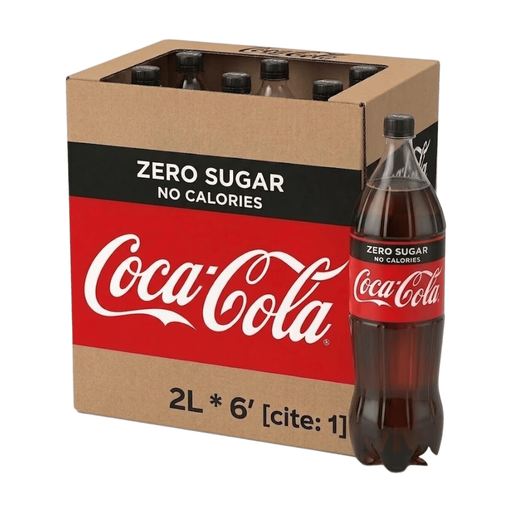
Coca-Cola Zero Sugar, 2L x 6
Six 2-litre bottles suit a group planning to pour cola into glasses. The Joybuy product information states 0g sugars per 100ml and identifies caffeine and a phenylalanine statement. Choose another drink if caffeine needs to be avoided.
View on Joybuy
 No image available
Pepsi Max, 24 x 330ml
This can pack provides individual servings when the group wants standard Pepsi Max. Pepsi UK identifies caffeine and a source-of-phenylalanine statement for the drink, so it is not the caffeine-free choice.
View on Joybuy
 No image available
Coca-Cola Zero Sugar, 24 x 330ml
Choose this can format when guests would rather take individual servings than pour from a bottle. Coca-Cola GB declares 0g sugars per 100ml for Coca-Cola Zero Sugar; the relevant drink contains caffeine and aspartame.
View on Joybuy
 No image available
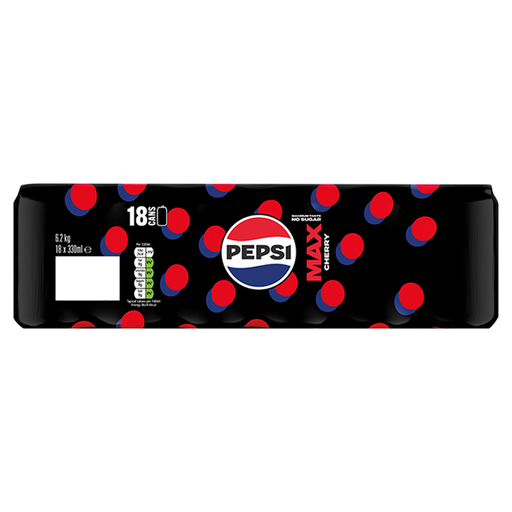
Pepsi Max Cherry, 18 x 330ml
The cherry variant offers individual cans for guests who want a different cola flavour. Check this variant’s label for sugars, caffeine, sweeteners and its phenylalanine statement before choosing it for anyone with a specific restriction.
View on Joybuy
Frequently asked questions
Does no added sugar mean a cola contains no sugar at all?
Not necessarily; read sugars per 100ml on the nutrition panel. The Coca-Cola Zero Sugar, Pepsi Max and Tesco Diet Cola examples declare either 0g or under 0.1g sugars per 100ml in the product information supplied by Coca-Cola GB, Pepsi UK and Tesco.
Are no-added-sugar colas sweetener-free?
Do not assume so. The relevant Coca-Cola GB and Pepsi UK products list aspartame, while Tesco lists acesulfame K and sucralose for its Diet Cola. Check the ingredients on the flavour and pack you intend to serve.
Which cola should I consider for a film close to bedtime?
If avoiding caffeine matters, choose a cola explicitly labelled caffeine-free, such as Pepsi Max No Caffeine, and check the pack. NHS Borders advises avoiding caffeinated drinks close to bedtime because they can make people feel more awake and disrupt sleep.
Why do some no-sugar colas mention phenylalanine?
The relevant Coca-Cola Zero Sugar and Pepsi products contain aspartame and carry a source-of-phenylalanine statement. If a guest has PKU, check the warning on the specific pack rather than treating no-sugar colas as interchangeable.
Should I buy bottles or cans for movie night?
Choose bottles if people will pour from a shared supply, or cans if individual portions and different preferences matter more. For its 2-litre Diet Cola bottle, Tesco advises consuming the drink within three days once opened.


