Recreational 5K runners who prefer flavoured water
If you want a flavoured drink before or after a short run, no-added-sugar cordial is an option to compare with water. Do not count on it to supply running fuel.


No-added-sugar cordial makes more sense as a flavoured drink around a typical recreational 5K than as fuel for the run. The British Dietetic Association identifies carbohydrate as a fuel for exercising muscles, while the diluted squash examples here contain little energy or carbohydrate. Compare nutrition after dilution, ingredients and mixing directions; a harder session lasting over an hour calls for a different fuelling decision.
If you want a flavoured drink before or after a short run, no-added-sugar cordial is an option to compare with water. Do not count on it to supply running fuel.
If fruit content or the amount of sugar in your prepared drink matters, compare the diluted-serving nutrition panels. Products carrying the same no-added-sugar wording can have different figures.
A short run and a hard session lasting over an hour pose different fuelling questions. The British Dietetic Association says carbohydrate during exercise can enhance performance in the latter situation.
Decide whether the drink is for flavour or carbohydrate first; then compare labels using the drink as prepared, not the concentrate alone.
| Priority | What to check | Your needs |
|---|---|---|
| Drink or fuel | Read energy and carbohydrate per diluted serving. For a hard session lasting over an hour, consider whether a separate carbohydrate plan is needed; the British Dietetic Association says carbohydrate during such exercise can enhance performance. | I want a flavoured drink around a typical 5K, rather than expecting my cordial to provide running fuel. |
| Sugars | Check the sugars line for the prepared drink and read the ingredients. No added sugar does not mean that naturally occurring sugars are absent: Waitrose & Partners lists 0.5 g sugars per 250 ml serving for Essential Apple & Blackcurrant. | If I am comparing sugar content, I want the figure for a glass made according to the label, not just the claim on the front. |
| Fruit content | Compare stated fruit content alongside diluted-serving nutrition. Sainsbury's lists 50% fruit juice in its High Juice Orange concentrate, with 17 kcal and 2.4 g sugars per 250 ml prepared serving. | I may prefer a higher-fruit squash, but I do not want to mistake its fruit content for a complete 5K fuelling plan. |
| Dilution | Follow the bottle's mixing directions. Waitrose & Partners lists one part Robinsons Orange concentrate to four parts water; its Essential Apple & Blackcurrant listing suggests one part squash to nine parts water. | I want to make each drink as directed so that its flavour and the serving figures I compare relate to what I pour. |
| Ingredients | Read the current ingredients and allergen declaration. The Robinsons Orange, Sainsbury's High Juice Orange and Waitrose Essential Apple & Blackcurrant examples list sweeteners and a sulphite ingredient. | If I need to avoid a particular ingredient, I will check the bottle rather than assume all no-added-sugar varieties use the same recipe. |
The Robinsons Orange listing gives negligible carbohydrate per 250 ml diluted serving. The British Dietetic Association identifies carbohydrate as a fuel for exercising muscles, so that drink should not be treated as a substitute for food when fuel is needed.
Use cordial for flavour and ordinary fluid intake. Plan meals and snacks separately, and reconsider in-exercise carbohydrate for training that is both hard and longer than an hour.
Prepared servings can still contain sugars. Sainsbury's lists 2.4 g per 250 ml serving of High Juice Orange; Waitrose & Partners lists 0.5 g for Essential Apple & Blackcurrant.
Compare the diluted-serving sugars line if the amount matters to your choice.
Concentrates have different dilution directions, so the amount poured changes the drink you make. Ingredient declarations also differ between products.
Follow the directions on your bottle and check its sweeteners and allergen declaration before use.
These label examples show why it is worth comparing individual varieties rather than assuming every no-added-sugar squash has the same prepared-serving figures.
The Orange No Added Sugar example suits a comparison focused on flavouring water without relying on the drink for carbohydrate.
The Orange No Added Sugar variety is an example for comparing stated fruit-juice content with nutrition after dilution.
The Apple & Blackcurrant No Added Sugar example offers another prepared-serving profile to compare.
These no-added-sugar concentrates offer flavour choices for a drink around a 5K. Compare the current bottle labels before deciding what each prepared serving contributes.
 No image available
Consider this orange concentrate when you want flavoured water rather than carbohydrate from your drink. The Robinsons Orange listing gives 3 kcal and negligible carbohydrate per 250 ml diluted serving; follow the bottle's mixing directions and check its sweetener and sulphite declarations.
 No image available
This summer-fruits concentrate is a flavour option for a drink around a short run, not a reason to assume that the drink supplies exercise fuel. Check carbohydrate and sugars for the prepared serving, the dilution directions and the ingredient declaration on the bottle.
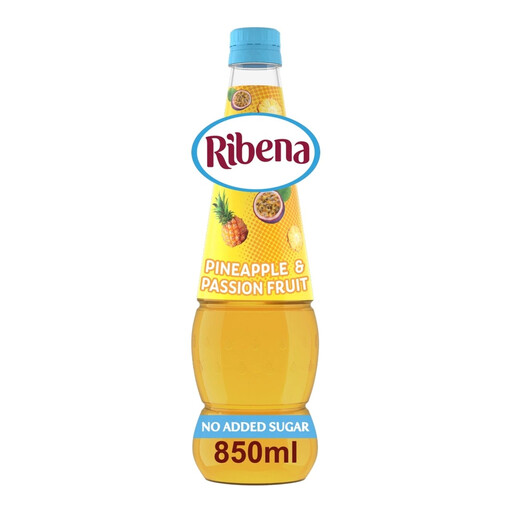 No image available
Choose this concentrate if pineapple and passion fruit appeal to you as a flavour for diluted squash. Use the bottle's mixing directions and compare nutrition for the prepared drink if its carbohydrate contribution matters; check the sweetener and sulphite declarations too.
 No image available
This blackcurrant concentrate fits a preference for a no-added-sugar flavour, but do not rely on its energy wording to judge a prepared glass: the listed energy figures conflict. Check the current bottle's diluted-serving nutrition, mixing directions and ingredient declaration before choosing it for a particular purpose.
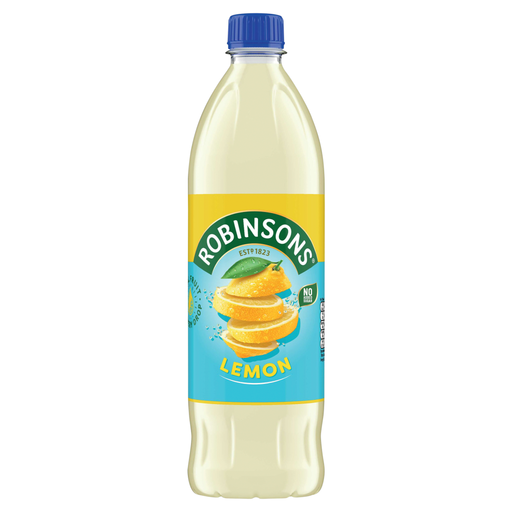 No image available
This lemon concentrate is another flavour choice for a diluted drink around a 5K. Its listed energy figures differ, so check nutrition on the current bottle rather than assuming a particular amount per prepared serving; follow its dilution and ingredient directions.
Do not rely on it as fuel for a typical recreational 5K: the Robinsons Orange example has negligible carbohydrate per diluted serving. The British Dietetic Association says carbohydrate during exercise can enhance performance when a session is hard and lasts longer than an hour, which is a different decision from choosing a flavoured drink for a short run.
Start normally hydrated rather than leaving all your drinking until the start. The British Heart Foundation advises 400–600 ml of water two to three hours before an event and 200–250 ml nearer the start; it also includes no-added-sugar squash among everyday drink options. Conditions such as heat and sweat losses affect individual needs.
No. A no-added-sugar squash can contain naturally occurring sugars: Sainsbury's lists 2.4 g sugars per 250 ml diluted serving of High Juice Orange. Compare the sugars figure for the prepared drink if that distinction matters to you.
Compare nutrition for the drink after dilution, then check fruit content, ingredients and the mixing directions. Waitrose & Partners lists one part Robinsons Orange concentrate to four parts water, but suggests one part squash to nine parts water for Essential Apple & Blackcurrant; use the directions on the bottle you buy.