People making drinks from one office bottle
If a bottle will stay at your desk or in a shared kitchen, compare the mixing instructions, prepared servings and storage directions before choosing its size.


For several office lunches, choose a labelled no-added-sugar squash or cordial by comparing sugars on the same prepared-drink basis, then check its dilution, storage instructions and ingredient warnings. A larger concentrate suits repeated drinks if you have somewhere appropriate to keep it; a smaller bottle may suit a personal lunch, but check whether it needs refrigeration after opening. No added sugar does not mean zero sugars or remove acidity considerations from citrus drinks.
If a bottle will stay at your desk or in a shared kitchen, compare the mixing instructions, prepared servings and storage directions before choosing its size.
No-added-sugar products can use different sweeteners. Check the selected flavour’s ingredients and warnings rather than assuming that the claim tells you which sweetener it contains.
If lime or lemon is your preference, inspect the sugars in the prepared drink and any sulphite declaration. The frequency of acidic drinks may also matter if tooth wear is a concern.
Start with the claim and prepared-drink nutrition, then check whether the bottle’s mixing and storage directions fit your office routine.
| Priority | What to check | Your needs |
|---|---|---|
| Sugars in the drink | Look for the no-added-sugar claim, then read “of which sugars” for the prepared drink. Check whether the figures are per 100ml or per serving. | I want to know what is in my glass, not assume that “no added sugar” means zero sugars. Sainsbury's lists less than 0.5g sugars per prepared 250ml serving for its no-added-sugar lime cordial. |
| Dilution and storage | Follow the selected bottle’s mixing ratio and compare its stated servings. Read its instructions for storage after opening and any use-by period. | A bottle kept at work needs to fit the space available and the number of lunches I will make. Waitrose lists a one-to-six dilution and refrigeration after opening for Belvoir Lemon & Lime No Added Sugar Cordial. |
| Ingredients and warnings | Read the sweetener list, allergen declarations and any phenylalanine warning on the exact flavour and size. | If a particular ingredient matters to me, I need the selected bottle’s label. Sainsbury's lists sucralose and sulphites in its lime cordial; Waitrose lists aspartame, acesulfame K, sulphites and a phenylalanine warning for Ribena Blackcurrant Squash No Added Sugar. |
| Acidity and drinking pattern | Check citrus juice and acid ingredients. Consider how often you plan to sip the prepared drink between meals. | I might make a cordial for lunch without drinking acidic cordial throughout the working day. Department of Health and Social Care oral-health guidance identifies exposure to dietary acids as relevant to tooth wear. |
Fruit ingredients can contribute sugars, so the front-of-pack claim does not give the sugar quantity in a prepared glass.
Read the “of which sugars” figure and check whether it applies to the drink after dilution.
Different mixing ratios and nutrition bases make those figures unsuitable for a like-for-like comparison.
Follow each maker’s dilution instructions and compare values for the same prepared volume, such as 100ml ready to drink.
Sweeteners and declarations differ between products: the reviewed lime cordial lists sucralose and sulphites, while the reviewed blackcurrant squash lists aspartame and a phenylalanine warning.
Check the ingredients and warnings on the exact bottle when changing flavour or size.
No added sugar does not describe acidity. Department of Health and Social Care oral-health guidance identifies acid exposure as relevant to tooth wear.
If tooth wear is a concern, consider how frequently you sip acidic drinks and choose plain water for routine drinking between meals.
These ranges and product examples help identify flavours and formats to inspect; the ingredients and instructions of the chosen bottle still determine the comparison.
Waitrose lists Robinsons no-added-sugar orange squash in a 1L bottle, while Tesco lists a 1.75L double-strength orange variant.
Tesco lists own-label no-added-sugar quadruple-strength squash, including a 1.5L lemon variant.
Sainsbury's Lime Cordial No Added Sugar 1L specifies one part cordial to four parts water.
Waitrose lists own-label no-added-sugar squash alongside other brands, including Belvoir Lemon & Lime No Added Sugar Cordial.
The M&S elderflower cordial described in its product information lists sugar as an ingredient.
These concentrates offer blackcurrant, lemon, orange, pineapple and passion fruit, and summer-fruit choices for making drinks at work. Compare the exact bottle’s dilution, prepared nutrition and storage directions before deciding what to keep in the office.
 No image available
The 1.5L concentrate is an option when one office bottle will be used for several drinks. Check the current bottle to establish whether its per-100ml nutrition applies to concentrate or prepared squash, and to resolve conflicting calorie statements before comparing it with other drinks. Review its ingredient and storage instructions too.
 No image available
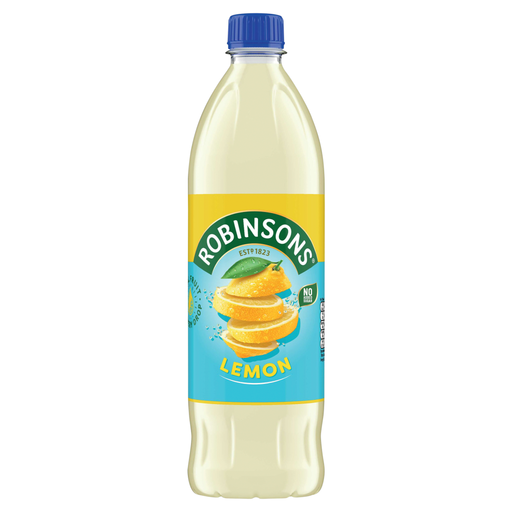
This 1L lemon concentrate offers a bottle format for repeated office drinks. Follow the bottle’s mixing instructions before comparing prepared-drink figures, and check its sweetener and dietary warnings.
 No image available
This 1L orange squash is a concentrate for preparing drinks at work. Check the bottle’s dilution directions and prepared sugar value before comparing it with another flavour; read its ingredient and allergen declarations as well.
 No image available
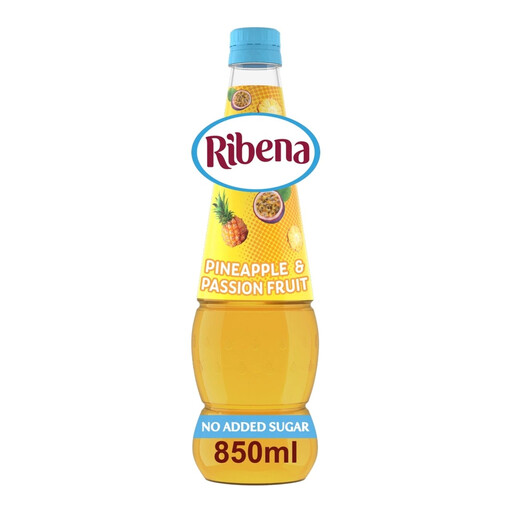
The 850ml concentrate offers a pineapple and passion-fruit flavour for an office drink. Check the prepared-drink nutrition rather than comparing an undiluted figure with another product’s diluted figure, and review the bottle’s sweetener, sulphite and phenylalanine declarations.
 No image available
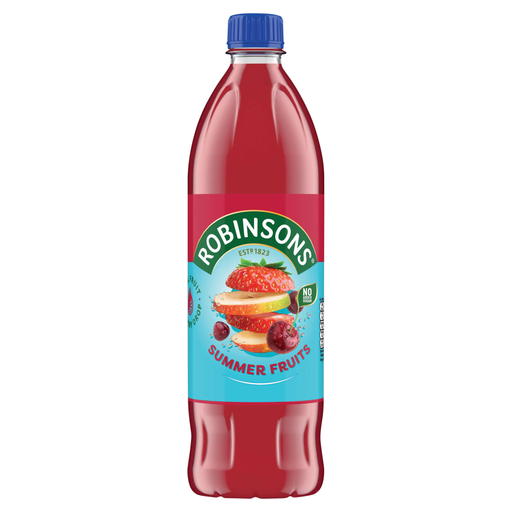
This 1L summer-fruit concentrate is another flavour choice for making drinks at work. Use the current bottle’s dilution and storage instructions, and check its prepared sugar value and ingredient declarations before comparing it with other squashes.
No. A no-added-sugar claim does not give the total sugars in your glass; fruit ingredients can still contribute sugars. Check “of which sugars” on the nutrition panel and whether the figure is for the drink after dilution.
Compare their nutrition for the same volume of prepared drink. Sainsbury's specifies a 250ml serving mixed one part lime cordial to four parts water, while Waitrose lists a one-to-six dilution for Belvoir Lemon & Lime; concentrate and prepared-drink figures are not interchangeable.
Only if that bottle’s storage instructions permit it. Waitrose says Belvoir Lemon & Lime No Added Sugar Cordial should be refrigerated after opening and used within three weeks, so check your chosen bottle before deciding where to keep it.
No. The claim does not describe a drink’s acidity. Department of Health and Social Care oral-health guidance identifies exposure to dietary acids as relevant to tooth wear, so consider how frequently you sip a citrus drink if this is a concern.
Check the exact bottle for sweeteners, sulphites and any phenylalanine warning. Sainsbury's lists sulphites in its no-added-sugar lime cordial; Waitrose lists sulphites, aspartame and a phenylalanine warning for Ribena Blackcurrant Squash No Added Sugar.