What to compare before buying
Start with what the drink contributes as prepared, then decide whether you also want food after your session.
| Priority |
What to check |
Your needs |
| Prepared drink |
Compare sugars and energy for the same volume of drink after dilution. Tesco Groceries lists 5 kcal per 250 ml diluted serving for Robinsons Summer Fruits; ASDA Groceries lists 6 kcal and 0.9 g sugars per 250 ml prepared serving for its Fruity Mandarin, Lemon & Lime squash. |
I want a flavoured drink after exercise and need to know what is in the glass, not just what is in the concentrate. |
| Snack or drink |
Look at carbohydrate and protein in a prepared serving. University College London Hospitals NHS Foundation Trust describes carbohydrate-and-protein snacks as providing exercise fuel and protein for muscle repair. |
If I need food after my session, cordial will be my drink alongside a snack rather than the snack itself. |
| Sugars and ingredients |
Read the sugars line as well as the ingredients and allergen statements. “No added sugar” does not mean that fruit-derived sugars, sweeteners or sulphites are absent. |
Perhaps I want to avoid a particular sweetener or check for sulphites; the front-of-pack claim does not answer either question. |
| Dilution |
Follow the ratio on the exact bottle before comparing servings. Tesco Groceries gives one part concentrate to four parts water for Robinsons Summer Fruits, while ASDA Groceries gives one part concentrate to nine parts water for Robinsons Double Strength Apple & Blackcurrant. |
I want to make the drink at its stated strength and compare quantities I would actually prepare. |
| Fruit content |
Check the declared fruit ingredients alongside the prepared nutrition. Marks & Spencer lists 50% grapefruit juice from concentrate for its Pink Grapefruit High Juice; Sainsbury’s lists 30% lime juice from concentrate for its Lime Cordial. |
Fruit ingredients may matter to my flavour choice, but I would not use their percentage to judge whether a drink replaces food after exercise. |
Brand and retailer references
These examples show why the precise product and its prepared serving matter more than the name on the bottle.
Robinsons
Its no-added-sugar squash examples include products with different dilution strengths.
- Tesco Groceries lists 5 kcal and negligible carbohydrate, sugars and protein per 250 ml diluted serving of Summer Fruits.
- ASDA Groceries lists sulphites and sweeteners for Double Strength Apple & Blackcurrant. Check the exact Robinsons flavour rather than applying one label to the range.
Tesco
Tesco Groceries lists own-label Quadruple Strength no-added-sugar squash flavours alongside other brands.
- The listed formats give shoppers different flavours and concentrate strengths to consider.
- Compare nutrition, dilution and allergens on the individual product label; a range listing does not describe every bottle.
Sainsbury’s
Its Lime Cordial No Added Sugar lists 30% fruit juice from concentrate.
- Sainsbury’s gives 13 kcal and less than 0.5 g sugars per 250 ml serving of this lime cordial.
- The same serving has less than 0.5 g protein, so the drink does not stand in for a food-based snack when protein is needed.
ASDA
ASDA’s Fruity Mandarin, Lemon & Lime is a no-added-sugar squash with a stated prepared-serving panel.
- ASDA Groceries lists 6 kcal and 0.9 g sugars per 250 ml diluted serving.
- Its ingredients include sucralose and sodium metabisulphite; check whether those ingredients suit your requirements.
M&S
Marks & Spencer lists both Pink Grapefruit High Juice and a double-strength Orange Squash with no added sugar.
- The Pink Grapefruit product lists 50% grapefruit juice from concentrate; the Orange Squash lists 20% fruit.
- Fruit percentage is an ingredient distinction, not a measure of post-exercise nutrition. Check each product’s prepared nutrition and ingredients separately.
Waitrose
Waitrose & Partners lists own-label Apple & Elderflower and Blackcurrant no-added-sugar high-juice products alongside other brands.
- The listed flavours provide different fruit choices to investigate.
- Use the individual bottle’s nutrition, ingredients and dilution instructions when comparing a Waitrose product with another cordial.
Joybuy cordial options
These Joybuy concentrates offer no-added-sugar fruit flavours to consider as drinks after exercise. Choose by the exact flavour and label details; none should be treated as a replacement for food when you need a snack.
 No image available
Robinsons No Added Sugar Summer Fruits Squash 1L
A summer-fruits squash for making a flavoured drink after exercise. Tesco Groceries lists 5 kcal and negligible carbohydrate, sugars and protein per 250 ml diluted serving of Robinsons Summer Fruits, using one part concentrate to four parts water. Check the bottle’s ingredients if sweeteners or sulphites matter to you.
View on Joybuy
 No image available
Robinsons No Added Sugar Orange Squash 1L
An orange-flavoured squash if you want cordial as your drink after a gym session. Check this bottle’s dilution directions and nutrition for the prepared drink before comparing it with another flavour. If you need carbohydrate and protein after exercise, consider food alongside it.
View on Joybuy
 No image available
Ribena Blackcurrant No Added Sugar Concentrate 1.5L
A blackcurrant concentrate for making a flavoured drink. Follow the dilution directions on this 1.5L bottle and compare nutrition for the drink you prepare, rather than assuming a concentrate value describes your serving. Check the current ingredients and allergen statement if they affect your choice.
View on Joybuy
 No image available
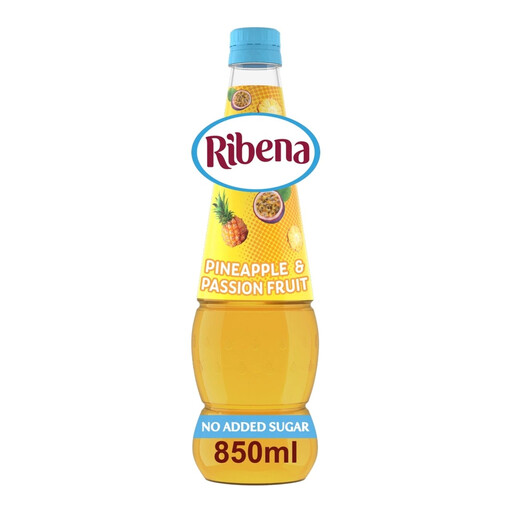
Ribena Pineapple and Passion Fruit No Added Sugar Squash 850ml
A pineapple-and-passion-fruit squash for a flavoured drink after exercise. Use the directions on the 850ml bottle, and check its prepared-drink nutrition and ingredients when comparing it with other cordials. Cordial is the drink component, not a food-based post-gym snack.
View on Joybuy
 No image available
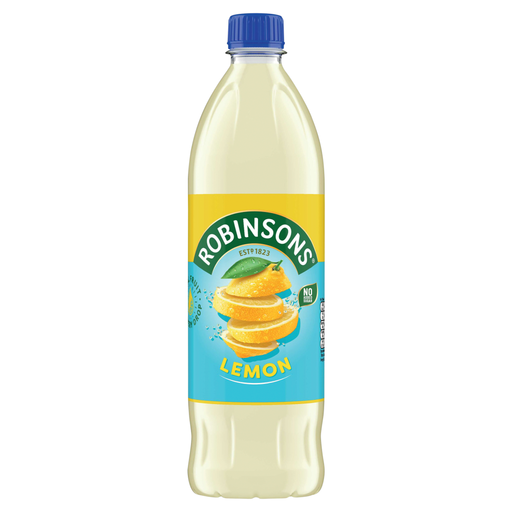
Robinsons No Added Sugar Real Fruit Lemon Squash 1L
A lemon squash to consider when choosing a flavoured drink after the gym. Check the current bottle for its sweeteners, allergens, dilution instructions and prepared-drink nutrition before making an ingredient or serving-level comparison. Pair the drink with food if you need a post-exercise snack.
View on Joybuy
Questions about post-gym cordial
Does “no added sugar” mean cordial contains no sugars?
No. Fruit ingredients can contribute naturally occurring sugars to a no-added-sugar cordial. Read the sugars value for the drink as prepared and check the ingredients on the exact product.
Can cordial be my post-gym snack?
Treat cordial as a drink rather than a substitute for food when you need carbohydrate and protein after exercise. The cited prepared cordial servings contain little or no protein; University College London Hospitals NHS Foundation Trust describes carbohydrate-and-protein snacks as providing exercise fuel and protein for muscle repair.
Should I compare concentrate or the prepared drink?
Compare similar volumes of the prepared drink, mixed according to each bottle’s directions. Tesco Groceries lists a one-to-four concentrate-to-water ratio for Robinsons Summer Fruits, while ASDA Groceries lists one-to-nine for Robinsons Double Strength Apple & Blackcurrant.
What if I prefer to avoid a particular sweetener?
Check the ingredients on the specific flavour and bottle before buying. A no-added-sugar claim does not tell you which sweeteners a product contains, and ingredients can differ between products.
What should I check if sulphites matter to me?
Read the current allergen statement and ingredients on the exact bottle, including when you switch flavours. ASDA Groceries lists sodium metabisulphite in its Fruity Mandarin, Lemon & Lime squash, and Marks & Spencer lists sulphites in Pink Grapefruit High Juice.


