Families filling bottles for day trips
A concentrate can be mixed when you have drinking water available. Check the dilution instructions and the ingredients for everyone who will share the bottles.


For summer outings, a no-added-sugar cordial is an option for flavouring water, but water remains the default drink recommended by the NHS. Choose by comparing the drink after dilution, following the mixing instructions and checking sweeteners and allergens on the pack. A fruit-juice cordial can still contain naturally occurring sugars, while a sugar-free drink can still be acidic.
A concentrate can be mixed when you have drinking water available. Check the dilution instructions and the ingredients for everyone who will share the bottles.
Look at the nutrition for the prepared drink rather than assuming that every no-added-sugar recipe has the same sugar or calorie content. Fruit juice can contribute naturally occurring sugars.
Keep water as the usual option and consider more than the sugar claim. Wirral Community Health and Care NHS Foundation Trust warns that sugar-free and no-added-sugar drinks can be acidic and cause tooth wear.
Start with how you will prepare and drink the cordial, then compare nutrition and ingredients on that basis.
| Priority | What to check | Your needs |
|---|---|---|
| Drinks for outings | Check whether you will have water for mixing and refilling. Follow the pack’s preparation instructions. | I want to fill bottles during a day out without relying on ready-mixed drinks. The NHS advises drinking more fluid in hot conditions or after sweating, with water as the straightforward choice. |
| Dilution | Find the stated mixing ratio and the serving size used for nutrition. Tesco Groceries lists a 1:4 ratio for Robinsons Summer Fruits; Waitrose & Partners lists its Cherries & Berries drink diluted 1:6. | If I make a stronger mix, the published values for a diluted serving may no longer describe what is in my bottle. |
| Sugars and calories | Compare sugars and kcal per prepared serving or per 100 ml of the diluted drink, using the same basis. Read the ingredients for fruit juice as well as sweeteners. | I want to compare drinks without treating “no added sugar” as “zero sugar”. Waitrose & Partners lists 1.1 g sugars per 100 ml for its Cherries & Berries cordial diluted 1:6. |
| Sweeteners | Read the full ingredient list for the named sweeteners; a no-added-sugar label does not tell you which ones a recipe uses. | Whether I prefer a particular sweetener is a separate choice from the drink’s stated sugar value. |
| Sulphites | Check the current allergen declaration for sulphur dioxide, sulphites or sodium metabisulphite where relevant. The Food Standards Agency identifies sulphites as a possible risk for people with sensitivity. | Someone sharing my drink may need to avoid sulphites, so I need to check the specific pack rather than rely on its front label. |
| Children’s drinks | Consider the drinking pattern as well as sugars. Wirral Community Health and Care NHS Foundation Trust says sugar-free and no-added-sugar drinks can be acidic and cause tooth wear. | For a child’s usual drink, I would choose water rather than assume a no-added-sugar cordial is neutral for teeth. |
Fruit juice can contribute sugars without sugar being added. Waitrose & Partners lists sugars in its diluted Cherries & Berries cordial.
Read the sugars line for the prepared drink alongside the ingredient list.
Products can use different mixing ratios, so figures for undiluted cordial and prepared drinks are not directly comparable.
Follow each pack’s ratio and compare nutrition using equivalent amounts of the drink you will serve.
Wirral Community Health and Care NHS Foundation Trust warns that sugar-free and no-added-sugar drinks can be acidic and cause tooth wear.
Keep water as a child’s usual drink rather than making cordial an all-day sipping drink.
The Food Standards Agency identifies sulphur dioxide and sulphites as a possible risk for people with sensitivity. A no-added-sugar label does not answer an allergen question.
If sulphites matter to anyone drinking it, check the declaration on the current pack before buying.
These examples show differences between specific no-added-sugar recipes, not a judgement about every product from each brand.
Its Summer Fruits No Added Sugar squash is a fruit-flavoured concentrate with a stated 1:4 dilution ratio.
Its Lime Cordial No Added Sugar is a citrus option for shoppers comparing fruit content and diluted nutrition.
Its No Added Sugar Lime Juice Cordial offers another citrus recipe with a suggested 1:4 dilution.
These concentrates are options for mixing fruit-flavoured drinks at home or where you can refill bottles with water. Compare each pack’s dilution directions, prepared-drink nutrition and ingredients before choosing.
 No image available
A blackcurrant concentrate to mix when you have water available for bottles. Follow the pack’s dilution directions and compare nutrition for the prepared drink; check the current ingredient and age guidance before serving it to children.
 No image available
An orange squash concentrate for preparing drinks as needed. Check this variant’s dilution directions and prepared-drink nutrition on the pack, along with its sweeteners and allergen declaration.
 No image available
A summer-fruit squash concentrate for mixing with water. Use the directions on this pack when preparing bottles, and check its diluted sugars and allergen declaration if those affect your choice.
 No image available
A pineapple and passion-fruit concentrate for a different fruit flavour. Check the pack’s mixing guidance and prepared-drink nutrition before comparing it with other squash; review its allergen and phenylalanine information where relevant.
 No image available
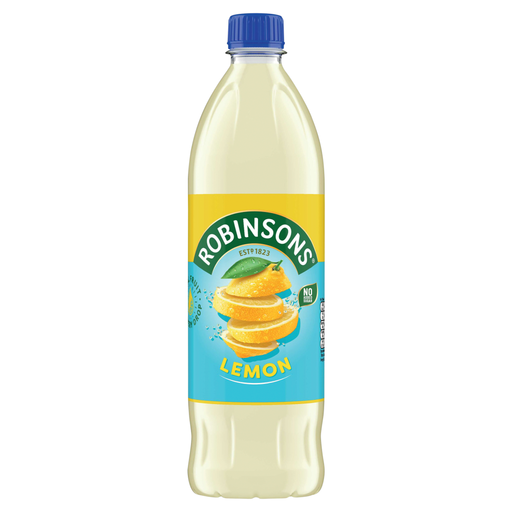
A lemon squash concentrate for mixing with water. Check the current pack for its dilution ratio, prepared-drink nutrition, sweeteners and phenylalanine information before deciding whether it meets your needs.
A well-diluted cordial can contribute to fluid intake, but the NHS recommends water as the straightforward choice and advises more fluids in hot conditions or after sweating. Follow the cordial’s mixing directions rather than assuming a stronger drink is needed.
No. Fruit juice can contribute naturally occurring sugars: Waitrose & Partners lists 1.1 g sugars per 100 ml of its Cherries & Berries cordial diluted 1:6. Check the sugars line for the prepared drink.
Compare the prepared drinks on the same serving-size basis. Mixing ratios differ between products, so use each pack’s instructions before comparing kcal and sugars per serving or per 100 ml.
Water remains the usual choice. Wirral Community Health and Care NHS Foundation Trust warns that no-added-sugar and sugar-free drinks can still be acidic and cause tooth wear, so the sugar claim alone does not settle the question.
Check the current pack if someone drinking it has a known sulphite sensitivity. The Food Standards Agency identifies sulphur dioxide and sulphites as a possible risk for people with sensitivity; the front-of-pack sugar claim does not replace the allergen declaration.