Who is this choice for?
No-added-sugar cordial is a drink choice, not a replacement for the food you may need during a longer walk.
Day hikers limiting added sugar
If you prefer flavoured water but do not want to rely on the drink for energy, compare cordials as diluted rather than as concentrates. The NHS advises diluting squash and cordial well; pack food separately when the walk calls for it.
Long-hike snack planners
For activity lasting more than 60 minutes, University College London Hospitals says snacks may be needed for energy. Its guidance suggests considering carbohydrate-containing snacks and, for an all-day hike, a mixture of carbohydrate and protein. Choose your drink and snacks for their different roles.
Buyers checking specific ingredients
No-added-sugar does not mean free from sweeteners or sulphites. Check the exact bottle’s ingredients and warnings before packing it, particularly if aspartame or sulphites matter to you. The NHS says aspartame is unsuitable for people with phenylketonuria (PKU).
What should you check before packing?
Choose a cordial by how you will dilute and drink it, then plan food separately for the walk’s duration. The NHS identifies water as the preferred way to replace fluid lost through physical activity; a sugary drink is not a prerequisite for carrying enough fluid.
| Priority |
What to check |
Your needs |
| Drink choice |
Check whether the cordial is a concentrate and how much water the bottle directs you to add. Compare sugar and energy figures for the prepared drink, using the same serving size. |
I want flavour in the water I carry, without assuming the drink has to provide energy. The NHS advises diluting squash and cordial well. |
| Food for the walk |
Consider the walk’s duration and effort alongside your snack plan. University College London Hospitals says activity beyond 60 minutes may require snacks; for an all-day hike, it discusses a mixture of carbohydrate and protein. |
On a longer walk, I need to plan food rather than count on a no-added-sugar cordial as my snack. |
| Diluted nutrition |
Read the serving size and whether the nutrition panel describes concentrate or prepared drink. For example, Tesco lists Robinsons Orange No Added Sugar at 3 kcal and 0 g sugars per 250 ml diluted serving; Waitrose lists Vimto No Added Sugar at 5 kcal and 0.8 g sugars per 250 ml. |
If I am comparing drinks, I want the figures to describe what will actually be in my bottle, not different amounts of concentrate. |
| Ingredients |
Check sweeteners, sulphites and any phenylalanine warning on the exact pack. Waitrose lists aspartame and a phenylalanine warning for Ribena Blackcurrant Squash No Added Sugar; the NHS says aspartame is unsuitable for people with PKU. |
A particular ingredient may affect my choice, so I need to read the bottle rather than rely on its no-added-sugar wording. |
| Water for the route |
Work out how you will carry and dilute the cordial. If a route depends on refilling outdoors, assess the water source and any suitable treatment before setting off; Mountaineering Scotland warns against assuming that every stream is safe. |
I need enough water for both drinking and mixing my cordial, with a practical plan for any refill. |
Brand and product-line references
These examples illustrate differences between particular UK-listed cordials; check the exact flavour and bottle rather than applying one product’s figures to a whole brand.
Robinsons
Orange and Apple & Blackcurrant No Added Sugar squashes offer two fruit-flavour examples with nutrition stated for diluted servings.
- Tesco lists Orange at 3 kcal and 0 g sugars per 250 ml diluted serving; Sainsbury’s lists Apple & Blackcurrant at 5 kcal and 0 g sugars for the same serving size. Both listings specify one part concentrate to four parts water.
- The listed products contain sweeteners and sulphites. Check the ingredients on the flavour and bottle you intend to use.
Vimto
Vimto No Added Sugar Squash is a mixed-fruit option for buyers comparing flavour and prepared-drink nutrition.
- Waitrose lists 5 kcal and 0.8 g sugars per 250 ml, with mixed fruit juices from concentrate, vitamins C and D, and instructions to dilute one part squash with four parts water.
- It contains sucralose and acesulfame K. Its no-added-sugar name does not mean the listed serving contains 0 g sugars or replaces food for a long hike.
Ribena
Ribena Blackcurrant Squash No Added Sugar provides explicit mixing guidance for buyers who prefer a blackcurrant flavour.
- Waitrose directs buyers to mix one part squash with at least four parts water.
- The Waitrose ingredients list includes aspartame, acesulfame K and sodium bisulphite, and the product carries a phenylalanine warning. The NHS says aspartame is unsuitable for people with PKU.
Sainsbury’s
Sainsbury’s Lime Cordial No Added Sugar is a lime option with a stated prepared-serving nutrition figure.
- Sainsbury’s lists 30% fruit juice from concentrate, 13 kcal and less than 0.5 g sugars per 250 ml serving for this product.
- Its ingredients include sucralose and sodium metabisulphite; check the exact pack if either matters to you.
No-added-sugar squash options on Joybuy
These no-added-sugar squash concentrates are options for flavouring water carried on a hike. Choose any snacks separately according to the walk; compare each bottle’s preparation instructions and ingredients before packing it.
 Image unavailable
Robinsons No Added Sugar Orange Squash 1L
An orange squash concentrate for flavouring carried water; pack food separately if the walk calls for snacks. Check the bottle’s dilution directions and ingredients before mixing.
View on Joybuy
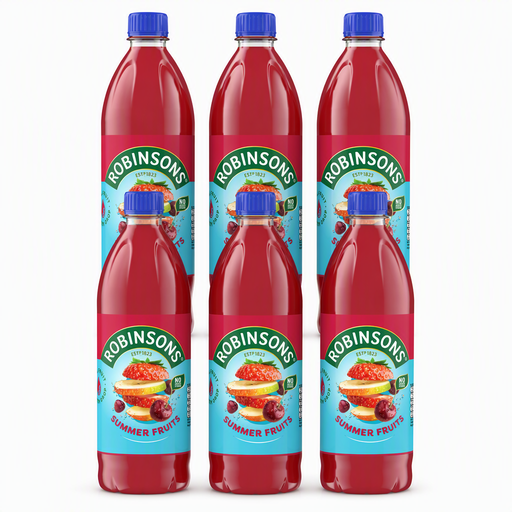 Image unavailable
Robinsons No Added Sugar Summer Fruits Squash 6 × 1L
The six-bottle pack is an option for planning drinks across several outings; decide how much concentrate to carry on an individual hike. Follow the pack’s dilution and ingredient information.
View on Joybuy
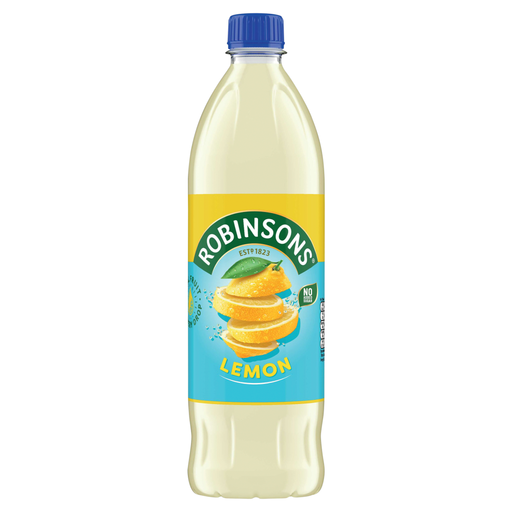 Image unavailable
Robinsons No Added Sugar Real Fruit Lemon Juice Squash 1L
A lemon squash concentrate for hikers who prefer a citrus-flavoured drink. Check how the bottle directs you to dilute it, and use prepared-drink figures when comparing it with other cordials.
View on Joybuy
 Image unavailable
Ribena Blackcurrant Concentrate No Added Sugar 1.5L
A blackcurrant concentrate to mix with water for the walk. Check the exact bottle’s mixing directions, ingredients and prepared-drink nutrition rather than treating a no-added-sugar name as an energy figure.
View on Joybuy
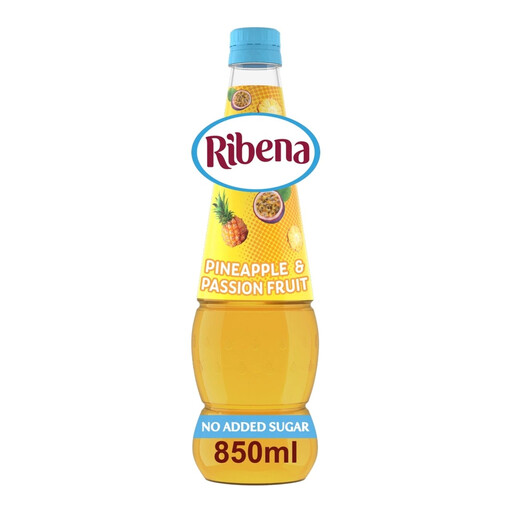 Image unavailable
Ribena Pineapple and Passion Fruit Squash No Added Sugar 850ml
A pineapple and passion-fruit squash concentrate if you prefer those flavours in your carried water. Read the bottle’s dilution instructions and compare nutrition for the drink as prepared.
View on Joybuy
Questions about cordial on a hike
Is no-added-sugar cordial enough for a long hike?
No-added-sugar cordial can be part of what you drink, but do not use it as your only plan for energy. University College London Hospitals says activity lasting more than 60 minutes may require snacks and discusses a mixture of carbohydrate and protein for an all-day hike. Choose food for the activity rather than assuming a flavoured drink will do the same job.
Does no added sugar mean a cordial contains no sugar?
Not necessarily: check the sugars figure for the prepared drink. Waitrose lists Vimto No Added Sugar Squash at 0.8 g sugars per 250 ml, while Tesco lists Robinsons Orange No Added Sugar at 0 g sugars per 250 ml diluted serving. The wording on the front of the bottle does not replace its nutrition panel.
How should I dilute cordial for a hike?
Follow the instructions on the bottle you pack. Tesco lists four parts water to one part Robinsons Orange concentrate, while Waitrose directs at least four parts water to one part Ribena Blackcurrant squash. The NHS also advises diluting squash and cordial well; check that any nutrition comparison refers to the prepared drink.
Which ingredients should I check?
Read the exact bottle for sweeteners, sulphites and any phenylalanine warning relevant to you. Waitrose lists aspartame, acesulfame K and sodium bisulphite for Ribena Blackcurrant Squash No Added Sugar, alongside a phenylalanine warning. The NHS says aspartame is unsuitable for people with phenylketonuria (PKU).
Can I refill my cordial bottle from a stream?
Do not assume a stream is safe to drink from. Mountaineering Scotland advises choosing flowing rather than still water, avoiding visibly muddy sources or areas with substantial livestock, and considering an appropriate treatment method where water may not be safe. Plan your carried water and any refill before the walk.


