For a flavoured weekend breakfast drink, a no-added-sugar cordial is a choice when you want to reduce sugars compared with a sugared drink, but check the prepared-drink nutrition and ingredients: fruit-derived sugars and sweeteners may still be present. Water avoids those cordial ingredients and is Diabetes UK’s preferred all-round drink; if you choose a cordial containing sugar, consider the amount in the glass alongside the rest of breakfast.
Who is choosing a breakfast drink?
Families reducing breakfast sugars
If flavoured drinks are part of breakfast, compare sugars in the prepared glass rather than relying on a front-of-pack claim. Measure the cordial according to its dilution instructions, particularly when serving children.
People managing diabetes
A no-added-sugar drink can be considered alongside the full breakfast and individual dietary advice; it is not a diabetes-management solution on its own. Diabetes UK describes water as the preferred all-round drink and includes sugar-free soft drinks among drinks that count towards fluid intake.
Shoppers checking ingredients
If you avoid a particular sweetener or need to check allergens such as sulphites, read the current bottle’s ingredients and allergen information before serving. The words “no added sugar” do not answer those questions.
What should you check?
Decide whether you want cordial at all, then compare the drink as prepared and check the ingredients that matter to your household.
| Priority | What to check | Your needs |
|---|
| Drink choice |
Consider water or an unsweetened drink alongside cordial. If choosing cordial, distinguish products containing sugar from those labelled no added sugar. |
I may want a flavoured drink for a relaxed breakfast, but I do not need cordial every time. Diabetes UK describes water as the preferred all-round drink. |
| Sugars in the glass |
Check “of which sugars” for the prepared serving and follow the stated dilution. UK health guidance counts sugars in fruit juice and concentrates as free sugars. |
If I am limiting free sugars, I want to know what is in the drink I actually pour, even when the bottle says no added sugar. |
| Comparable servings |
Check whether nutrition is given per 100ml, per glass or for undiluted cordial. Compare figures only on a matching preparation basis. |
A large or stronger-mixed glass may not match the serving shown on the label, so I want a comparison that reflects how I will make it. |
| Sweeteners and ingredients |
Read the named sweeteners, fruit ingredients and current allergen statement. Sainsbury’s and Tesco list sweeteners and sodium metabisulphite in their lime cordial examples. |
I want to choose a flavour without overlooking an ingredient I prefer or need to avoid. |
Common label mistakes
-
Reading “no added sugar” as “no sugar”
Fruit juice and concentrate can contribute sugars even when none is added. UK health guidance includes those fruit-derived sugars within free sugars.
Check the ingredient list and the sugars value for the diluted drink before deciding whether it fits your breakfast.
-
Comparing concentrate with a prepared glass
Nutrition figures for undiluted cordial and diluted servings describe different quantities. For example, M&S lists sugars per 100g of its undiluted lemon-and-lime cordial, while Sainsbury’s lists a prepared 250ml lime-cordial serving.
Confirm the dilution and serving basis on each bottle; do not treat those two figures as a like-for-like comparison.
-
Looking only at the sugar claim
No-added-sugar cordials may contain sweeteners or ingredients relevant to an intolerance. The Sainsbury’s and Tesco lime examples list sodium metabisulphite.
Read the complete ingredients and allergen information on the current pack if a particular ingredient matters to you.
-
Treating a sweetened alternative as the whole dietary decision
In their October 2025 joint position statement, Diabetes UK, the British Dietetic Association and the British Nutrition Foundation describe low- or no-calorie sweetened drinks as a possible alternative for people replacing sugar-sweetened beverages, not a stand-alone dietary solution.
Consider the drink alongside the rest of breakfast rather than judging the meal by its cordial alone.
Brands and retailer labels
These examples show why the exact product label matters more than the brand name when checking sugars and ingredients.
Robinsons
Tesco lists Robinsons no-added-sugar squash, including an orange variant, alongside other squash and cordial products.
- Flavour and pack options make it worth checking the particular bottle you plan to serve.
- Use that bottle’s nutrition and ingredients rather than assuming different Robinsons varieties have the same formulation.
Tesco
Tesco’s lime cordial is an own-label example with nutrition stated for a prepared glass.
- Tesco lists 0.2g sugars and 6kcal per 250ml glass when diluted according to its instructions.
- Its listed ingredients include sucralose, acesulfame K and sodium metabisulphite; check the current pack if these matter to you.
Sainsbury’s
Sainsbury’s no-added-sugar lime cordial specifies one part cordial to four parts water.
- Sainsbury’s lists less than 0.5g sugars and 13kcal per prepared 250ml serving.
- The listed ingredients include sucralose and sodium metabisulphite, so the no-added-sugar claim does not replace an ingredient check.
Waitrose
Waitrose lists a no-added-sugar Cherries & Berries cordial containing fruit juices and steviol glycosides.
- Its listing gives 1.1g sugars per 100ml when diluted one part cordial to six parts water.
- Fruit-derived sugars remain relevant despite the no-added-sugar description.
M&S
M&S lists a Sicilian lemon and Mexican lime cordial with sugar among its ingredients.
- Its ingredient list identifies the fruit flavours and makes the addition of sugar clear.
- M&S gives 4.9g sugars per 100g undiluted; check the bottle’s dilution directions before judging a prepared glass.
No-added-sugar squash options on Joybuy
These listings are no-added-sugar squash concentrates for shoppers who want a diluted, flavoured breakfast drink. Compare the stated flavour and pack size, then check the current bottle for prepared-drink sugars and ingredients.
 No image available
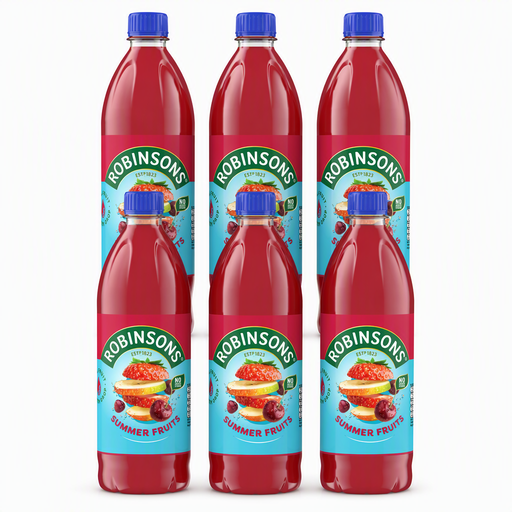
Robinsons No Added Sugar Summer Fruits Squash 6x1L
A summer-fruits option for a household serving diluted squash at breakfast. The pack contains six 1L bottles; check the current label’s prepared-drink sugar figures before comparing servings, and review its ingredient warnings for individual dietary needs.
View on Joybuy
 No image available
Ribena Concentrated Blackcurrant No Added Sugar 1.5L
A blackcurrant-flavoured concentrate in a 1.5L bottle. For sugar comparisons, check whether the current label’s nutrition figures describe concentrate or the diluted drink; also follow its age guidance before serving young children.
View on Joybuy
 No image available
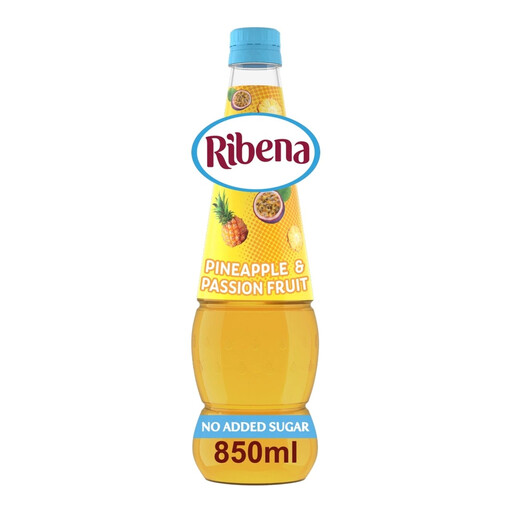
Ribena Pineapple and Passion Fruit Squash No Added Sugar 850ml
An 850ml pineapple-and-passion-fruit option if you prefer those flavours at breakfast. Check the bottle’s dilution directions and prepared-drink sugars before comparing it with another cordial, and read the current ingredients if you avoid particular sweeteners or sulphites.
View on Joybuy
 No image available
Robinsons No Added Sugar Orange Squash 1L
An orange-flavoured 1L squash for a diluted breakfast drink. Check the current bottle for the sugar value and dilution that match your glass, and review its age and ingredient guidance before serving.
View on Joybuy
 No image available
Robinsons No Added Sugar Summer Fruits Squash 1L
A single 1L summer-fruits bottle rather than the six-bottle pack listed above. Use the current label’s dilution and prepared-drink sugar information for your breakfast glass, and check its ingredients if sweeteners or sulphites are a concern.
View on Joybuy
Questions about cordial at breakfast
Does “no added sugar” mean a cordial is sugar-free?
No. A cordial made with fruit juice or concentrate can still contain sugars. UK health guidance counts sugars in fruit juices and concentrates as free sugars, so check the ingredients and the sugars value for the prepared drink.
Can someone with diabetes choose no-added-sugar cordial?
It may be a lower-sugar drink option, but the label and the full breakfast still matter, as does any individual dietary advice. Diabetes UK describes water as the preferred all-round drink and includes sugar-free soft drinks among options that count towards fluid intake.
Should I check the bottle if I have bought the cordial before?
Yes. Read the current ingredients, nutrition and allergen information, particularly if you need to avoid an ingredient or are comparing sugars after dilution. Do not rely on a previous bottle’s details for the one you are serving.
What if I need to avoid sulphites?
Check the exact bottle’s ingredients and allergen statement before serving it. Sainsbury’s and Tesco list sodium metabisulphite in their lime cordial examples; the claim “no added sugar” does not tell you whether a cordial contains sulphites.


