Families changing a sugary lunchbox drink
If a child usually takes sugary squash, a juice drink or a fizzy drink, start with water as the everyday option. NHS guidance distinguishes these sugary drinks from well-diluted sugar-free squash.


Water is the straightforward everyday choice for a school packed lunch: NHS guidance identifies water and milk as the preferred drinks for children. If flavour helps a child accept a drink, well-diluted no-added-sugar cordial is another option where the school permits it. Check sugars for the prepared serving, follow the bottle’s dilution instructions and read the current ingredients for sweeteners or allergens.
If a child usually takes sugary squash, a juice drink or a fizzy drink, start with water as the everyday option. NHS guidance distinguishes these sugary drinks from well-diluted sugar-free squash.
No-added-sugar cordial can contain sweeteners or sulphites. Check the exact product’s current label when an ingredient matters to your household, rather than relying on the flavour or brand name.
Check the individual school’s policy before sending cordial from home. Department for Education guidance on school food in England addresses food and drink provided in state-funded schools; it does not, by itself, tell you what your school accepts in a packed lunch.
Decide whether water will work for the lunchbox first. If choosing cordial, compare the drink as prepared—not just the concentrate or the wording on the front of the bottle.
| Priority | What to check | Your needs |
|---|---|---|
| Everyday drink | NHS guidance identifies water and milk as the preferred drinks for children and advises avoiding sugary squash, juice drinks and fizzy drinks. | Water works for our lunchbox; I do not need to add flavour. If my child prefers a flavoured drink, I want to consider what goes into it. |
| Sugars in the prepared drink | Read the “of which sugars” figure and its serving volume after dilution. Sainsbury’s lists less than 0.5g per 250ml serving for its Lime Cordial; Tesco lists 0.5g per 300ml prepared glass for its Quadruple Strength Orange Squash. Those are different serving sizes. | I’m replacing a sugary drink and want to know how much sugar is in the bottle my child will actually take to school. |
| Dilution | Follow the specific bottle’s instructions. Sainsbury’s lists one part Robinsons Orange concentrate to four parts water; Tesco lists one part Quadruple Strength Orange Squash to 19 parts water. | I want to make the same prepared drink each time, rather than guessing how much concentrate to pour. |
| Ingredients | Read the current ingredients and highlighted allergens for the exact variant. The Robinsons Orange listing names acesulfame K, sucralose and sodium metabisulphite; recipes differ between products. | A sweetener preference or an ingredient restriction makes the full label more important to us than “no added sugar” on its own. |
| School policy | Check the school’s current packed-lunch instructions for drinks brought from home. Department for Education school-food guidance applies to provision in state-funded schools in England. | Before making cordial a regular packed-lunch choice, I need to know whether our school permits it. |
Fruit ingredients can contribute sugars, while sweeteners and preservatives vary between products. The front-of-pack claim cannot establish whether a cordial suits a particular ingredient restriction.
Check the prepared drink’s nutrition panel and the current full ingredient and allergen information for the exact bottle.
A sugar figure per 250ml diluted serving cannot be read as though it were a figure per 300ml prepared glass or per 100ml of concentrate.
Check the stated volume and dilution basis before comparing products, and use each one according to its own instructions.
The listed Robinsons Orange and Tesco Quadruple Strength Orange products have different dilution instructions: 1:4 and 1:19 respectively. The same measure of concentrate would not prepare them as directed.
Read the ratio on the bottle and measure the concentrate when preparing a school drink.
Department for Education guidance sets out requirements for food and drink provided in state-funded schools in England. It does not automatically settle what an individual school asks families to send from home.
Read the school’s current packed-lunch policy before choosing a drink for regular use.
The Orange No Added Sugar 1L squash is one Robinsons option to compare for a diluted packed-lunch drink.
Tesco Quadruple Strength Orange No Added Sugar Squash is a concentrated option with its own preparation instructions.
Sainsbury’s Lime Cordial No Added Sugar is a citrus option whose listing states 30% lime juice from concentrate.
Waitrose lists own-label High Juice products alongside other brands in its no-added-sugar squash and cordial category.
These concentrates represent the flavoured-drink option for a packed lunch where the school permits it. They do not replace the decision about whether water works for your child; check each bottle’s preparation and ingredients before use.
 No image available
For a diluted orange squash in a school bottle where permitted. Sainsbury’s listing for this Robinsons Orange variant states 0g sugars per 250ml diluted serving and instructs one part concentrate to four parts water. It lists acesulfame K, sucralose and sodium metabisulphite; check the current label for ingredient restrictions.
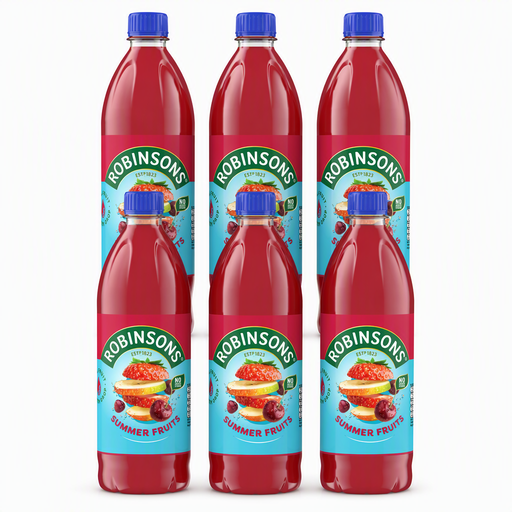 No image available
A six-bottle Summer Fruits concentrate option for preparing a drink where school rules permit squash. Check the current label for the dilution instructions, sugars in the prepared drink and ingredients before making up a lunch bottle.
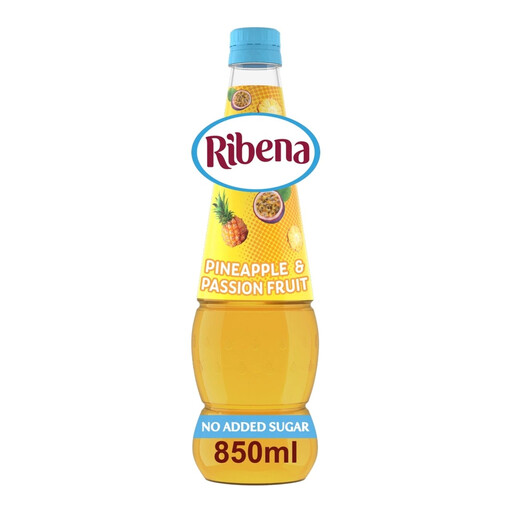 No image available
A pineapple and passion fruit concentrate to consider if a flavoured packed-lunch drink is permitted. Use the bottle’s preparation instructions, and check its current ingredients and sugars for the drink as prepared.
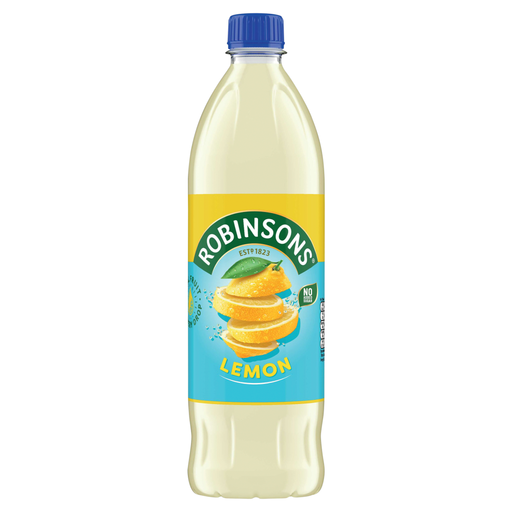 No image available
A lemon squash concentrate for a packed lunch where the school allows it. Read the current bottle for dilution, prepared-serving sugars, ingredients and age-related directions before choosing it for a child.
Water remains the straightforward everyday choice: NHS guidance identifies water and milk as the preferred drinks for children. Well-diluted no-added-sugar cordial is another option if flavour helps your child accept a drink, its ingredients suit them and their school permits it.
No: fruit ingredients can still contribute sugars. Check the “of which sugars” line for the prepared drink and note its serving size. Sainsbury’s lists less than 0.5g per 250ml serving for its Lime Cordial, while Tesco lists 0.5g per 300ml prepared glass for its Quadruple Strength Orange Squash.
Use the instructions on the particular bottle rather than one ratio for every product. Sainsbury’s lists one part concentrate to four parts water for Robinsons Orange; Tesco lists one part squash to 19 parts water for its Quadruple Strength Orange product.
Read the current full ingredient list and highlighted allergens for the exact variant. Sainsbury’s listing for Robinsons Orange names acesulfame K, sucralose and sodium metabisulphite; other variants can have different ingredients. A no-added-sugar claim does not answer an ingredient-specific question.
Not automatically. Department for Education guidance sets out requirements for food and drink provided in state-funded schools in England. Check your school’s current packed-lunch policy for drinks brought from home.