Desk workers with access to water
If you can dilute concentrate in a glass or reusable bottle, check the mixing instructions and whether the bottle’s storage directions suit how often you will use it.


Choose a no-added-sugar concentrate if you have water and a glass or reusable bottle at your desk. A lime cordial suits a preference for citrus, while a squash offers other fruit flavours; in either case, compare the prepared drink’s nutrition, sweeteners, dilution instructions and storage directions rather than relying on the front-of-pack claim alone.
The useful choice depends on how you will mix the drink and which ingredients you need to check.
If you can dilute concentrate in a glass or reusable bottle, check the mixing instructions and whether the bottle’s storage directions suit how often you will use it.
No added sugar does not mean unsweetened or free from naturally occurring sugars. Compare ingredients and nutrition values for the drink prepared as directed.
Read the current label of the exact product. The lime cordials listed by ASDA and Sainsbury’s contain sulphites, which the Food Standards Agency identifies as an allergen.
Start with the claim and ingredients on the exact bottle, then compare nutrition, preparation and storage for the drink you would make at your desk.
| Priority | What to check | Your needs |
|---|---|---|
| No-added-sugar claim | Check the exact bottle’s claim and ingredients. The Advertising Standards Authority explains that, in Great Britain, a “with no added sugars” claim has conditions; it does not mean there are no naturally occurring sugars. | I want to avoid added sugar without assuming the finished drink is sugar-free or unsweetened. |
| Prepared drink | Compare nutrition at the stated dilution and serving size. ASDA lists 5 kcal and 0.8 g sugars per prepared 250 ml for Vimto No Added Sugar; Sainsbury’s lists 13 kcal and less than 0.5 g sugars per 250 ml for its no-added-sugar lime cordial. | The figures for the drink in my glass matter more to me than figures for undiluted concentrate. |
| Mixing and storage | Check the dilution ratio, suggested servings and directions after opening. ASDA lists one part concentrate to four parts water for its lime cordial and Vimto, but one part Belvoir cordial to six parts water. | I need a drink I can mix during a short break and a bottle I can use within its stated storage period. |
| Ingredients | Read the current sweetener and allergen declarations. The ASDA and Sainsbury’s lime cordial listings include sulphites; the listed products also differ in their sweeteners. | If I avoid a particular ingredient or have a sulphite sensitivity, I need to check the exact recipe before choosing. |
| Flavour and product type | Distinguish cordial from squash and check the specific flavour. Robinsons says its classic Cordials and Barley Waters have added sugar, unlike much of its squash range. | I may prefer lime cordial for a citrus flavour, or choose a no-added-sugar squash for another fruit flavour. The brand name alone will not settle it. |
Fruit can contribute naturally occurring sugars, and the listed no-added-sugar concentrates contain sweeteners. The claim does not tell you the prepared drink’s nutrition or which sweetener is used.
Read the ingredients and compare nutrition for the drink diluted according to each bottle’s instructions.
Robinsons distinguishes its no-added-sugar squash from its classic Cordials, which it says contain added sugar.
Check the claim on the particular flavour and product type you intend to buy.
The listed lime cordials differ in sweetener choice and include sulphites. A description of the product category cannot replace the current label when an ingredient matters to you.
Check the bottle’s ingredients and allergen statement before purchase.
Concentrates have different dilution and after-opening directions. A larger bottle may not suit someone who makes a desk drink only occasionally.
Use the stated servings and storage instructions to judge whether the bottle fits your routine.
A bottle left unused beyond its stated after-opening period may go to waste.
These examples show why the exact product line and label matter more than the brand name alone.
Its no-added-sugar squash range includes standard bottles and mini concentrates for shoppers considering a squash rather than a cordial.
Its listed no-added-sugar squash is an option for a mixed-fruit flavour.
Its listed Sicilian Lemon & Lime product is explicitly sold as a no-added-sugar cordial.
Its listed lime cordial offers a no-added-sugar citrus option with straightforward mixing instructions.
Its listed no-added-sugar lime cordial is an option if declared fruit-juice content matters to your choice.
These Robinsons products are no-added-sugar squash concentrates to mix with water at your desk. They are alternatives to cordial, so check the individual flavour and pack directions before choosing.
 No image available
An orange squash concentrate for a desk lunch where you can add water. Check the pack’s mixing directions and current ingredients, including sweeteners and allergens.
 No image available
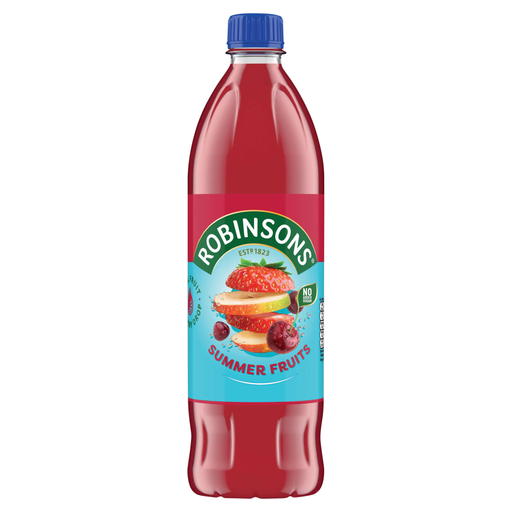
A Summer Fruits squash concentrate for mixing with water at your desk. Use the current pack to check the dilution ratio, prepared-drink nutrition, ingredients and storage directions.
 No image available
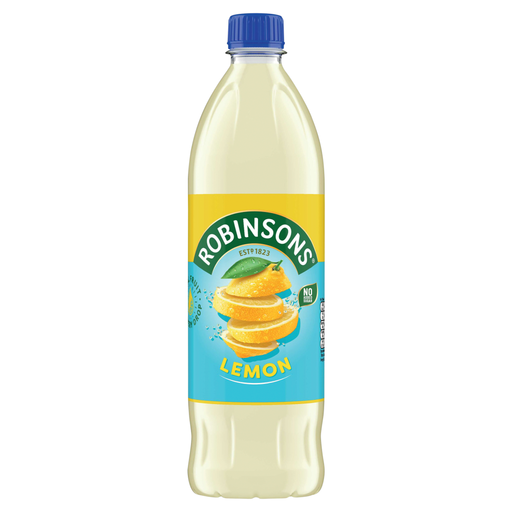
A lemon squash concentrate to consider if you want a citrus flavour and can add water at lunch. Check the current pack for its mixing directions, nutrition, sweeteners and allergen statement.
No. The Advertising Standards Authority explains that the claim has conditions in Great Britain, but it does not rule out naturally occurring sugars. Check the ingredients and nutrition panel for the drink as prepared.
Compare the prepared drinks at their stated dilution ratios and serving sizes, not an undiluted value against a diluted one. For example, ASDA lists 5 kcal per prepared 250 ml for its lime cordial, while Sainsbury’s lists 13 kcal per prepared 250 ml for its lime cordial.
Do not assume so from the brand name. Robinsons says much of its squash range contains no added sugar, but its classic Cordials and Barley Waters have added sugar; check the claim on the exact bottle.
Check the current ingredients and allergen statement for the exact bottle. The ASDA and Sainsbury’s lime cordial listings include sulphites, which the Food Standards Agency identifies as an allergen.
Follow that bottle’s storage directions rather than applying another product’s period. ASDA’s Belvoir Sicilian Lemon & Lime listing says to refrigerate after opening and use within three weeks; Joybuy’s Vimto No Added Sugar listing says to refrigerate after opening and consume within four weeks.