Picnic planners reducing free sugars
If you want a flavoured drink with no added sugar, compare nutrition for the prepared drink rather than judging a concentrate by its front label alone.


Choose a no-added-sugar cordial or squash if reducing free sugars matters to your picnic group; the NHS lists these drinks as alternatives to sugary squash. Compare sugars for the drink as diluted, and check the bottle for sweeteners and allergens. Before packing, check the dilution instructions so you can take enough water.
If you want a flavoured drink with no added sugar, compare nutrition for the prepared drink rather than judging a concentrate by its front label alone.
A concentrate lets you prepare glasses at the picnic. Check the dilution instructions, planned servings and water you will need to carry.
If sweeteners or sulphites matter to your group, read the current bottle label: no-added-sugar drinks do not all use the same ingredients.
Choose the flavour and format your group will use, then check the prepared-drink nutrition, ingredients and mixing instructions for that specific bottle.
| Priority | What to check | Your needs |
|---|---|---|
| Sugars in the drink | Look for the individual product’s no-added-sugar claim, then compare sugars per 100 ml or per serving at its stated dilution. No added sugar does not necessarily mean 0 g sugars. | I want a flavoured picnic drink while reducing free sugars. The NHS names sugar-free, diet and no-added-sugar drinks as alternatives to sugary squash. |
| Ingredients | Read the sweetener list and allergen declaration on the bottle. Formulations differ: Tesco’s no-added-sugar lime cordial lists sucralose and acesulfame K, while the Belvoir Cherries & Berries cordial listed by Waitrose & Partners uses steviol glycosides. | Someone in my group needs to check a particular sweetener or sulphites, so a general diet claim is not enough. |
| Dilution and servings | Follow the stated concentrate-to-water ratio and use the pack’s serving information to plan your water. The Vimto squash listed by Waitrose & Partners specifies one part concentrate to four parts water; ratios vary by product. | We will be making drinks away from home, and I need enough water for the number of glasses planned. |
| Storage after opening | Check whether the opened bottle needs chilling and whether it has a use-within period. Waitrose & Partners lists refrigeration after opening and use within three weeks for Belvoir Cherries & Berries cordial; follow the instructions for your own bottle. | I may take an opened bottle home and want to store what remains as its label directs. |
Cordial describes a type of drink, not its sugar content. Robinsons says its classic Cordials and Barley Waters are ranges with added sugar.
Check the claim on the particular bottle and compare sugars for the prepared drink.
Products have different mixing instructions, so bottle volume alone will not tell you how much water to pack or what the nutrition per prepared glass represents.
Read the ratio and serving information before leaving, and take the water separately.
No-added-sugar products can use different sweeteners, and some list sulphites. Aspartame is a source of phenylalanine, which matters for people with phenylketonuria (PKU).
Check the current ingredients and allergen declaration for each bottle before serving it to someone with a relevant dietary requirement.
A product’s formulation or labelling can change, which matters when someone needs to avoid an ingredient.
Use a listing to narrow your choices, then check the bottle in hand before mixing the drink.
Robinsons offers no-added-sugar squash as well as conventional cordials; the range name alone does not identify the sugar content of a particular bottle.
The Belvoir Cherries & Berries cordial listed by Waitrose & Partners is a no-added-sugar option for shoppers who prefer a cordial-style fruit flavour.
The 2 L no-added-sugar mixed-fruit squash listed by Waitrose & Partners is a squash concentrate rather than a traditional cordial.
Tesco’s own-label no-added-sugar lime cordial is a citrus option with nutrition stated for a prepared glass.
Sainsbury's own-label no-added-sugar lime cordial is another citrus concentrate with product-specific ingredients and nutrition.
These are squash concentrates for the no-added-sugar picnic-drink route. They vary in flavour and pack size; use each bottle’s instructions to plan the drink you will serve.
 No image available
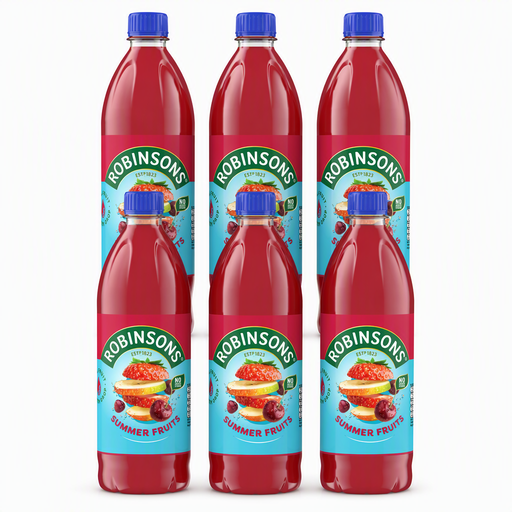
The six-bottle pack gives a group several bottles of summer-fruit squash to mix at the picnic. Check the dilution instructions before calculating how much water to take, and read the current label if aspartame or sulphites matter to anyone drinking it.
 No image available
This 1.5 L blackcurrant concentrate is an option if you want to carry one bottle for mixing at the picnic. Follow its bottle’s dilution and opened-storage instructions; check prepared-drink nutrition and the ingredient label if you are comparing dietary requirements.
 No image available
This 1 L orange squash suits a picnic group looking for an orange-flavoured no-added-sugar concentrate. Check the water ratio before planning servings and the current bottle’s ingredient and age guidance before serving it to young children.
 No image available
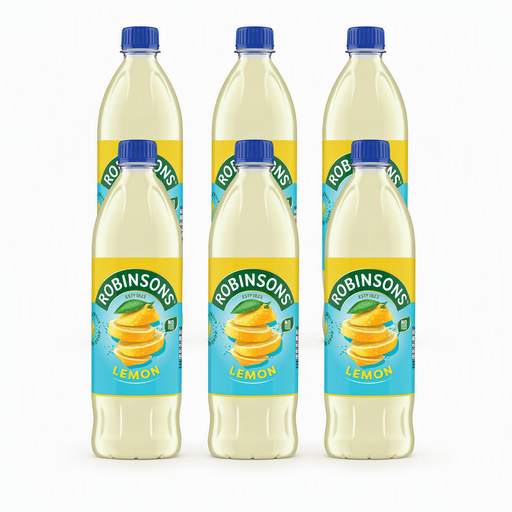
The six 1 L bottles offer a lemon-flavoured concentrate for a group picnic. Read the dilution instructions before planning water and servings, and check the current label for aspartame and phenylalanine information if someone in the group has PKU.
 No image available
This single 1 L bottle is a summer-fruit squash option if you do not need a multipack. Check its dilution instructions when packing water, and follow the current label’s ingredient and opened-storage directions.
No. Check the sugars figure for the prepared drink: the Belvoir Cherries & Berries cordial listed by Waitrose & Partners has 1.1 g sugars per 100 ml when diluted 1:6, despite its no-added-sugar claim. Do not treat that claim as a 0 g sugars figure.
Compare nutrition for drinks prepared at each product’s instructed dilution. For example, the Vimto no-added-sugar squash listed by Waitrose & Partners specifies one part concentrate to four parts water, while its prepared-serving sugars figure applies to a 250 ml drink.
Check the ingredients and allergen information on the exact bottle before serving. Products differ: the Robinsons Orange squash listed by Tesco Groceries contains aspartame and sodium metabisulphite, while Tesco and Sainsbury's list sodium metabisulphite in their respective lime cordials. The Food Standards Agency identifies aspartame as a source of phenylalanine relevant to people with PKU.
Follow the opened-storage instructions on your bottle. Waitrose & Partners lists refrigeration after opening and use within three weeks for Belvoir Cherries & Berries cordial; that period should not be applied to a different product.
No. Robinsons says its classic Cordials and Barley Waters are ranges with added sugar. Check the particular product’s claim, ingredients and nutrition for the drink at its instructed dilution rather than relying on its fruit flavour or the word cordial.