Hosts stocking a shared kitchen
Choose a bottle with instructions guests can follow, keep its ingredient label available and check whether its after-opening period fits the time between bookings.


For a shared holiday cottage, a no-added-sugar cordial is worth considering when guests want to limit sugar in drinks, but the claim does not mean every prepared drink is sugar-free or suitable for every guest. Compare any no-added-sugar or standard option using its diluted nutrition information and current ingredient and allergen label, then choose a bottle size whose after-opening instructions fit the cottage’s booking pattern.
Choose a bottle with instructions guests can follow, keep its ingredient label available and check whether its after-opening period fits the time between bookings.
Compare the sugar figure for the drink as prepared rather than relying on ‘no added sugar’ alone. Follow the particular bottle’s dilution instructions and any guidance for young children.
Sweeteners and allergen declarations differ between cordials. The label on the bottle actually supplied lets guests check the ingredients against their own requirements.
Start with the drink guests will actually make, then check the bottle’s ingredients and whether you can manage it after opening.
| Priority | What to check | Your needs |
|---|---|---|
| Sugar in the prepared drink | Compare sugars using the same prepared-drink volume and each bottle’s dilution instructions. Tesco lists 0.2g per 250ml prepared glass for its no-added-sugar lime cordial; Sainsbury's lists less than 0.5g per 250ml prepared serving for its version. A no-added-sugar cordial containing fruit juice can still contain sugars. | I want a lower-sugar option, but need to know what is in the glass rather than judging by the front of the bottle. |
| Sweeteners | Read the exact ingredients and any accompanying warning. Tesco’s lime cordial lists sucralose and acesulfame K; Tesco’s listing for Robinsons Lemon No Added Sugar Squash lists aspartame and saccharin. | If a guest avoids a particular sweetener, I need the current bottle label available so they can check it. |
| Allergens | Check the current allergen declaration, not just the product name. Sainsbury's lime cordial lists sodium metabisulphite as a sulphite ingredient, while Tesco’s Robinsons Lemon listing declares sulphur dioxide or sulphites. | Guests need to be able to identify allergens in the cordial I have actually left in the cottage. |
| After-opening storage | Read the bottle-specific storage and use instructions. Tesco’s Robinsons Lemon listing says to drink it within four weeks of opening; Waitrose & Partners says to refrigerate the listed Belvoir cordials after opening and use them within three weeks. | A bottle may sit between stays, so I need an opening-date check that fits the booking schedule. |
| Bottle format | Check the volume, dilution directions and space needed for unopened stock. For a fruit-forward option, Waitrose & Partners lists Belvoir Apple & Blackcurrant No Added Sugar Cordial with over 66% fruit juice and a 1:6 dilution instruction. | I may prefer one bottle for occasional stays or several unopened bottles for repeated bookings, provided there is room to store them. |
Fruit-juice cordial can contain sugars even when no sugar is added. Waitrose & Partners lists 1.1g sugars per 100ml diluted for its Cherries & Berries no-added-sugar cordial.
Compare the sugar figures for prepared drinks at their stated dilution, using a comparable serving volume.
The cited Tesco, Sainsbury's, Robinsons and Belvoir products use different sweeteners; several also list or declare sulphites.
Read the physical bottle’s ingredient list, warnings and allergen information whenever you restock for guests.
After-opening instructions vary. Waitrose & Partners says to refrigerate the listed Belvoir cordials and use them within three weeks; Tesco’s Robinsons Lemon listing gives a four-week consumption period after opening.
Mark the opening date and check the particular bottle’s instructions before leaving it for the next booking.
Concentrate left unused when its stated period has passed may have to be discarded.
A listing used to choose a flavour may not reflect the information on the bottle supplied later. Tesco advises shoppers to read the product label rather than rely solely on its website.
Check the delivered bottle and leave its complete label available to guests.
These examples describe particular listed cordials, not every drink sold under each brand.
Tesco lists Robinsons Lemon No Added Sugar Squash as a 1L concentrate prepared with one part squash to four parts water.
Tesco’s 1L no-added-sugar lime cordial is a concentrate for mixing with water.
Sainsbury's lists a 1L no-added-sugar lime cordial containing 30% lime juice from concentrate.
Waitrose & Partners lists fruit-juice-based no-added-sugar cordials in the Belvoir Farm range.
These concentrates are options for stocking a cottage with no-added-sugar squash. Compare each bottle’s current label and after-opening instructions before deciding what to leave for guests.
 No image available
A single 1L bottle may suit a cottage where you do not want to store a multipack. Check the label for diluted nutrition, sweeteners, allergens and instructions after opening.
 No image available
The 1.5L format is one to consider for a shared kitchen with room for a larger bottle. Check its current dilution, ingredient and after-opening instructions, and compare sugar on a prepared-drink basis.
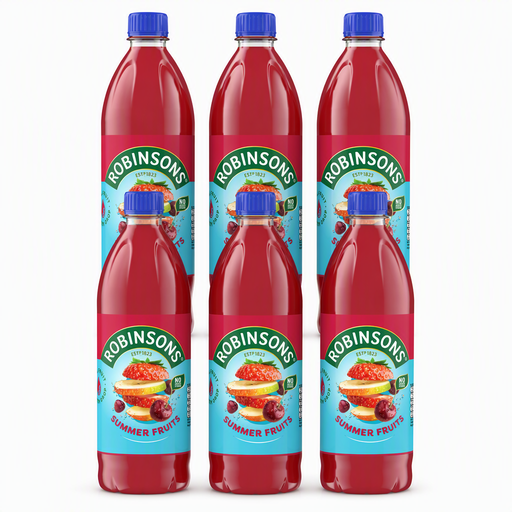 No image available
Six 1L bottles may suit repeated bookings if there is space for unopened stock. Check each bottle’s ingredients, dilution directions and storage instructions before putting it into use.
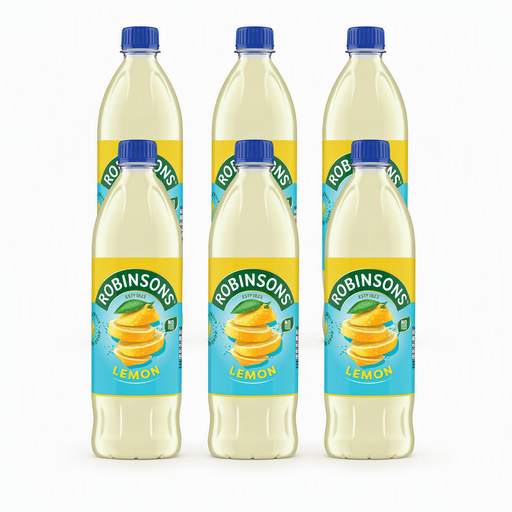 No image available
This six-bottle format is worth considering when the cottage has space for stock between stays. Read the current label for sweeteners, allergens, dilution and the period for using a bottle after opening.
 No image available
An 850ml bottle may be easier to plan for than a multipack when stays are infrequent. Check the ingredients and allergen label, the sugar figure for a prepared drink and the instructions after opening.
No. A cordial made with fruit juice can still contain sugars. Waitrose & Partners lists 1.1g sugars per 100ml diluted for its Cherries & Berries no-added-sugar cordial and 2.5g per 250ml diluted for Belvoir Apple & Blackcurrant. Compare prepared drinks at a common volume rather than relying on the front-of-pack claim.
Leave the original bottle with its complete current label available, so guests can read the ingredients and allergen declaration. The cited Sainsbury's and Tesco lime cordials list sodium metabisulphite, and Tesco’s Robinsons Lemon listing declares sulphites; do not assume another flavour or bottle has the same formulation.
Not necessarily: sweeteners and warnings vary by product. Tesco’s Robinsons Lemon listing includes aspartame, saccharin and a phenylalanine warning, while its lime cordial lists sucralose and acesulfame K. Check the bottle supplied against any requirements guests have told you about.
Follow that bottle’s own instructions and note when it was opened. Tesco’s Robinsons Lemon listing says to drink it within four weeks of opening; Waitrose & Partners says to refrigerate the listed Belvoir cordials after opening and use them within three weeks. Those periods should not be applied to other products.