What should you check before buying?
Start with the child’s age and how the drink will be diluted, then compare prepared-drink nutrition and the current ingredient label.
| Priority |
What to check |
Your needs |
| Child’s age |
Check whether the drink is for a school-age child or a baby or toddler. NHS advice does not recommend diet or reduced-sugar drinks for babies and toddlers. |
I’m choosing a lunch drink for a school-age child, not applying the same cordial advice to a younger sibling. |
| Dilution |
Read the bottle’s mixing instructions and the dilution used for its nutrition panel. Healthier Together advises one part sugar-free squash to ten parts water for children aged 5 to 11; a product’s stated nutrition may use a different ratio. |
For a flavoured lunch drink, I want to know how the prepared glass differs from the serving described on the label. |
| Sugars |
Compare sugars per the same volume of prepared drink, at the stated dilution. Check fruit-juice ingredients as well as the no-added-sugar claim: UK oral-health guidance includes sugars naturally present in fruit juices and concentrates within free sugars. |
“No added sugar” matters to me, but I also want to see the sugars listed for the drink as served. |
| Ingredients |
Read the current sweetener list and highlighted allergens. The listed Robinsons Orange and Sainsbury’s Lime products declare sulphites; the listed Belvoir Farm cordial uses steviol glycosides. |
If someone in the household needs to avoid an ingredient, flavour and bottle size come after the label check. |
| Bottle use |
Check the stated servings, dilution ratio and directions after opening. The listed Belvoir Farm cordial requires refrigeration and use within three weeks of opening. |
A bottle that will stay open through several holiday lunches needs storage instructions that fit our plans. |
Brand and product-line references
These details describe the specified products, not every cordial made by each brand; check the label of the flavour and size you buy.
Robinsons
The listed Orange No Added Sugar Squash 1L is a standard orange-flavoured concentrate.
- Tesco Groceries lists 0g sugars per 250ml serving diluted at one part squash to four parts water.
- The listed recipe contains sucralose, acesulfame K and sulphites; the school-age drinking guidance does not extend to babies and toddlers.
Sainsbury’s
The listed No Added Sugar Lime Cordial 1L is an own-label lime option.
- Sainsbury’s lists 30% lime juice from concentrate and less than 0.5g sugars per 250ml prepared serving.
- Its listed ingredients include sucralose and sodium metabisulphite, which declares sulphites.
Tesco
The listed Tesco Lime Cordial 1L is another no-added-sugar lime concentrate.
- Tesco Groceries lists 30% lime juice from concentrate and 0.2g sugars per prepared glass.
- The listed ingredients include sucralose, acesulfame K and sodium metabisulphite.
Belvoir Farm
The listed Cherries & Berries No Added Sugar Cordial comes in a 500ml bottle and uses steviol glycosides as its sweetener.
- Waitrose & Partners lists fruit juices and 1.1g sugars per 100ml when diluted 1:6.
- The listed cordial must be refrigerated after opening and used within three weeks; no added sugar does not mean no fruit-derived sugars.
Vimto
The listed No Added Sugar Squash 2L is a larger mixed-fruit concentrate.
- Waitrose & Partners lists 40 servings, 1:4 dilution and 0.8g sugars per 250ml prepared serving.
- Its no-added-sugar description still notes naturally occurring fruit sugars; check the ingredients and current availability before choosing this bottle.
No-added-sugar squash options on Joybuy
These concentrates offer orange, lemon, pineapple and passion fruit, and summer-fruit flavours for households considering a diluted drink at a school-age child’s lunch. Water or milk remains the usual-drink choice in Healthier Together guidance.
 Image unavailable
Robinsons Orange No Added Sugar Squash 1L
An orange-flavoured concentrate for a well-diluted drink at a school-age child’s lunch. The listed product contains 10% orange fruit from concentrate and declares sweeteners and sulphites. Check the bottle’s mixing directions and prepared-serving nutrition before comparing it with another cordial.
View on Joybuy
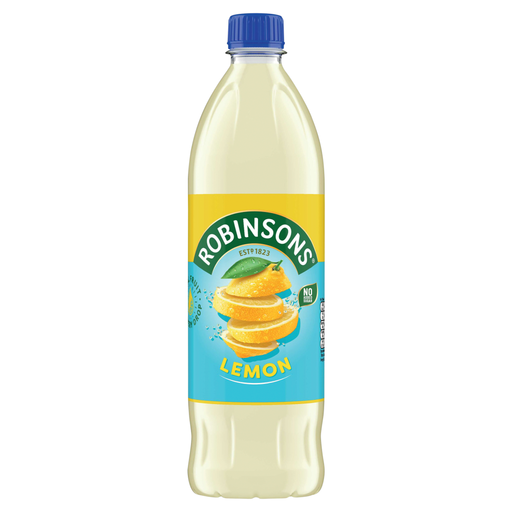 Image unavailable
Robinsons Real Fruit Lemon No Added Sugar Squash 1L
A lemon-flavoured concentrate for households considering a diluted lunch drink. The product information lists 10% lemon juice from concentrate and says to refrigerate after opening and use within four weeks. Check the physical label for sweeteners, allergens, dilution and prepared-drink sugars before choosing it.
View on Joybuy
 Image unavailable
Ribena Pineapple and Passion Fruit No Added Sugar Squash 850ml
A pineapple-and-passion-fruit concentrate for a different flavour at lunch. The listed product contains 10% fruit juice from concentrate and gives a 21-day refrigerated-use instruction after opening. Its ingredients declare aspartame, acesulfame K and sulphites; check the current package for those details and for prepared-drink nutrition.
View on Joybuy
 Image unavailable
Robinsons Summer Fruits No Added Sugar Squash 1L
A summer-fruit concentrate for households choosing a flavoured, diluted lunch drink. The listed recipe contains 10% fruit juices from concentrate and declares sucralose, acesulfame K and sulphites. Check the package for its mixing ratio, sugars per prepared serving and instructions after opening.
View on Joybuy
Frequently asked questions
Is no-added-sugar cordial suitable for every child?
No. Healthier Together says well-diluted sugar-free squash can be an option for children aged 5 to 11, while identifying water and milk as the drinks that do not damage children’s teeth. NHS guidance does not recommend diet or reduced-sugar drinks for babies and toddlers.
Does “no added sugar” mean a cordial is sugar-free?
No. Fruit ingredients can still contribute sugars: UK oral-health guidance includes sugars naturally present in fruit juices and concentrates within free sugars. Read the sugars figure for the drink at its stated dilution rather than relying on the front-of-pack wording.
How should I dilute squash for a school-age child?
Read the product’s mixing directions, but do not assume its nutrition panel describes the same dilution as child-health guidance. Healthier Together advises one part sugar-free squash to ten parts water for children aged 5 to 11; listed products may give nutrition for a different mixing ratio.
Which ingredients need a closer look?
Check the current bottle for sweeteners and highlighted allergens that matter to your household. The listed Robinsons Orange and Sainsbury’s Lime products declare sulphites, while the listed Belvoir Farm cordial uses steviol glycosides as its sweetener.
How long can an opened bottle be kept?
Follow the directions for the particular bottle. The listed Belvoir Farm Cherries & Berries cordial says to refrigerate after opening and use within three weeks; that period is not a storage rule for other cordials.


