What matters when choosing a cordial?
Choose the type of drink you want to make, then compare nutrition on a like-for-like prepared basis and check ingredients before settling on a flavour.
| Priority | What to check | Your needs |
|---|
| Sugar after dilution |
Read the sugars figure for a prepared serving and its stated volume. Follow the bottle’s dilution directions; do not compare a figure for concentrate directly with one for a diluted drink. |
I want less sugar in the glass served with the takeaway, rather than choosing by the words on the front of the bottle alone. |
| Sweetener |
Read the current ingredient list for named sweeteners. Sainsbury's lime cordial lists sucralose; Tesco lime lists sucralose and acesulfame K; Tesco’s Robinsons Orange No Added Sugar listing names aspartame and saccharin. |
If a particular sweetener does not suit me, I need to check the precise flavour and formulation before buying. |
| Allergens and warnings |
Check the bottle’s allergen statement and any warning beside the ingredients. The Tesco listing for Robinsons Orange No Added Sugar identifies sulphites and carries a phenylalanine warning. |
When I am serving other people, I need an ingredient check that reflects their requirements, not an assumption based on the no-added-sugar claim. |
| Flavour and mixing |
Choose a flavour your guests will drink and check how much water the cordial requires. Follow the directions for that bottle rather than applying another product’s ratio. |
For a mixed takeaway order, I would like to make drinks to taste without assuming that one citrus or fruit flavour suits every dish. |
Cordial brands and label differences
These examples show why the exact product label matters; a formulation described for one flavour should not be assumed to apply across a brand.
Robinsons
No-added-sugar squash offers lemon and orange routes for a drink diluted at home.
- Tesco’s Robinsons Lemon and Orange listings each give 0 g sugars per 250 ml diluted serving for the specific products listed.
- Both listings name aspartame and saccharin and identify sulphites. The Orange listing also carries a phenylalanine warning; check the label for the variant in hand.
Tesco
Its own-label lime cordial is a no-added-sugar citrus option.
- Tesco lists 0.2 g sugars per 250 ml prepared glass for its Lime Cordial and names sucralose and acesulfame K.
- The same product lists sodium metabisulphite, so check its current allergen information.
Sainsbury's
Its no-added-sugar lime cordial is another option for a citrus drink.
- Sainsbury's lists 30% lime juice from concentrate and less than 0.5 g sugars per 250 ml prepared serving for this product.
- The ingredient list names sucralose and sodium metabisulphite; check the bottle if either matters to you.
Waitrose
Its No Added Sugar Lime Juice Cordial provides a stated serving basis and mixing suggestion.
- Waitrose lists less than 0.5 g sugars per 250 ml serving and suggests one part cordial to four parts water.
- The product lists sucralose and sodium metabisulphite. Check the current label, as recipes can change.
M&S
Its Sicilian Lemon and Mexican Lime Cordial is a citrus option that lists sugar as an ingredient, rather than a no-added-sugar choice.
- The Marks & Spencer product page describes a lemon-and-lime cordial for mixing with water.
- Its listed 4.9 g sugars per 100 g refers to cordial, not a stated prepared serving; do not compare that number directly with diluted-drink figures.
Belvoir Farm
Its no-added-sugar lemon-and-lime cordial is an option for shoppers checking which sweetener a citrus drink uses.
- The Waitrose listing names steviol glycosides from stevia and gives 0.4 g sugars per 100 ml when diluted one part cordial to six parts water.
- That 100 ml diluted basis differs from the 250 ml servings on several other product pages; compare equivalent prepared volumes.
Joybuy squash options for takeaway night
These Robinsons no-added-sugar squashes are concentrates you can dilute for a takeaway-night drink. The packs and flavours differ; check each bottle’s prepared-drink nutrition and ingredients before choosing for your guests.
 No image available
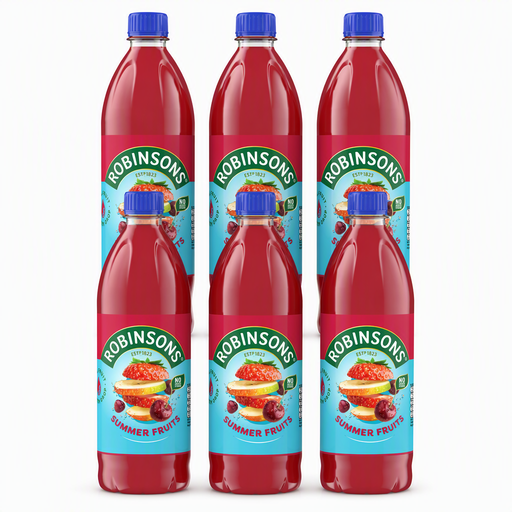
Robinsons No Added Sugar Summer Fruits Squash 6 x 1 L
The six-bottle pack offers a summer-fruits squash to dilute for drinks with the meal. If sweeteners or sulphites matter to your guests, check the current ingredients; follow the bottle’s mixing directions when comparing prepared-drink nutrition.
View on Joybuy
 No image available
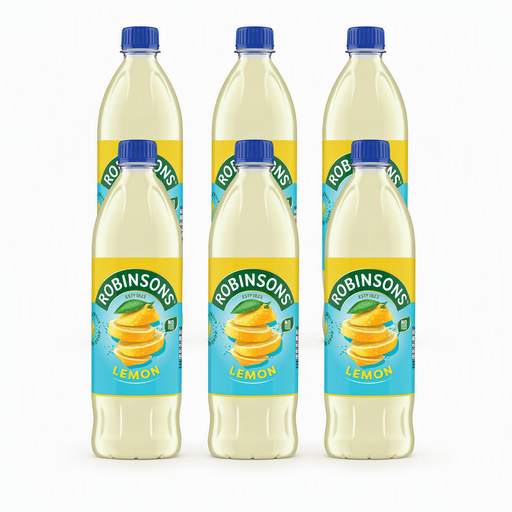
Robinsons No Added Sugar Real Fruit Lemon Juice Squash 6 x 1 L
This six-bottle lemon squash pack suits a group that wants a citrus-flavoured drink to dilute at home. Check the prepared-serving sugar figure and dilution directions on the bottle; its ingredient and warning statements also matter if aspartame or phenylalanine is a concern.
View on Joybuy
 No image available
Robinsons No Added Sugar Orange Squash 1 L
Choose the orange flavour if that suits the drinks you plan to serve. Check this bottle’s sweetener list rather than assuming it matches another Robinsons orange variant, and read its sulphite information before serving anyone for whom that matters.
View on Joybuy
 No image available
Robinsons No Added Sugar Real Fruit Lemon Juice Squash 1 L
This single-bottle lemon option avoids committing to the six-bottle pack of the same named flavour. Compare sugar figures using the bottle’s prepared-serving and dilution directions, and check the current ingredients if aspartame, saccharin or sulphites are relevant.
View on Joybuy
 No image available
Robinsons No Added Sugar Summer Fruits Squash 1 L
This single-bottle summer-fruits option offers a different flavour from the citrus squashes. Check its current sweetener and sulphite information, then use its own mixing directions and prepared-drink nutrition when comparing it with other cordials.
View on Joybuy
Questions about no-added-sugar cordial
Does “no added sugar” mean the prepared cordial contains no sugar?
No. A drink can contain naturally occurring sugars without sugar being added as an ingredient. Waitrose describes its No Added Sugar Lime Juice Cordial this way and lists less than 0.5 g sugars per 250 ml prepared serving; read the nutrition panel for the bottle you are using.
Do all no-added-sugar cordials use the same sweetener?
No. The listed formulations differ: Sainsbury's lime uses sucralose, Tesco lime uses sucralose and acesulfame K, Tesco’s Robinsons Lemon and Orange listings name aspartame and saccharin, and the Waitrose listing for Belvoir lemon and lime names steviol glycosides. Check the current ingredients for the exact product.
What should I check before serving someone concerned about sulphites?
Read the current bottle’s ingredients and allergen statement before making their drink. The Sainsbury's, Tesco and Waitrose lime cordials described on their product pages list sodium metabisulphite or sulphites; a no-added-sugar claim does not answer the allergen question.
Why might a Robinsons orange squash have a phenylalanine warning?
Tesco’s listing for Robinsons Orange No Added Sugar names aspartame and states that the product contains a source of phenylalanine. If that warning matters to you, check it on the exact bottle rather than assuming every orange squash has the same formulation.
Can I compare sugar figures from any two cordial labels?
Only when the figures use a comparable basis. Several no-added-sugar listings give sugars for a diluted drink, while Marks & Spencer gives 4.9 g sugars per 100 g of its Sicilian Lemon and Mexican Lime Cordial. Without a preparation ratio for the latter, those figures do not make a direct prepared-glass comparison.


