Adult hosts with different guests to consider
Offering more than one flavour or can size makes sense when guests have different preferences. Put the caffeine amount per whole can in view, particularly alongside other caffeinated drinks.


For adult guests who want no added sugar, check whether they mean a sugar-free drink or one that still contains sugars from fruit juice. Red Bull Sugarfree offers a smaller 250 ml can with 80 mg caffeine, according to Red Bull; Monster lists 150 mg per 500 ml Ultra can and 160 mg per 500 ml Zero Sugar can for guests who prefer those larger formats. Compare the exact pack’s sugar, sweeteners and caffeine per whole can before serving.
Offering more than one flavour or can size makes sense when guests have different preferences. Put the caffeine amount per whole can in view, particularly alongside other caffeinated drinks.
Look for a product explicitly labelled Sugarfree or Zero Sugar. These drinks can still contain caffeine and sweeteners, so check the ingredients if either matters to a guest.
Can size changes the amount consumed if someone finishes the drink. Red Bull states 80 mg caffeine in a 250 ml Sugarfree can; Monster states 150 mg in 500 ml Ultra and 160 mg in 500 ml Zero Sugar.
Start with the distinction between sugar-free and no added sugar, then compare the actual can sizes, caffeine declarations and ingredients on the packs you intend to serve.
| Priority | What to check | Your needs |
|---|---|---|
| Sugar wording | Check the name and sugars per 100 ml. No added sugar does not mean zero sugar when ingredients such as fruit juice contribute sugars. | I want to know whether guests expect a sugar-free drink or simply one with no sugar added. |
| Caffeine per can | Compare the stated caffeine for the whole can and its volume. Red Bull gives 80 mg per 250 ml Sugarfree can; Monster gives 150 mg per 500 ml Ultra can and 160 mg per 500 ml Zero Sugar can. | A smaller individual can may suit my serving plan; I also want guests to be able to account for coffee, tea or other caffeine they have had. |
| Pack size | Read the volume and serving information on the exact pack. Tesco lists a 558 ml Monster Ultra can as approximately 2.2 servings of 250 ml; Monster’s cited Ultra figures refer to 500 ml. | If someone drinks the whole can, I need the figures for that size rather than assuming two large-can variants are identical. |
| Flavour | Check the named variety: Monster describes Ultra as light citrus and Zero Sugar as sweet-and-salty. Red Bull lists multiple sugar-free Edition flavours. | Different flavour styles would give adult guests a choice without treating all zero-sugar drinks as interchangeable. |
| Ingredients and warnings | Read the sweetener list, caffeine declaration and guest-suitability warning on each pack. Red Bull describes its sugar-free range as using non-caloric sweeteners instead of sugar. | Some guests may avoid particular sweeteners or prefer a non-caffeinated drink, so I want those alternatives to be clear. |
The sugar claim does not describe the caffeine serving. The cited 250 ml Red Bull Sugarfree can contains 80 mg caffeine, while Monster lists 150 mg and 160 mg for its respective 500 ml Ultra and Zero Sugar cans.
Compare caffeine per whole can and remember that guests may also have had coffee, tea or other caffeinated products.
Red Bull says its sugar-free range uses sweeteners instead of sugar; ingredients can differ between individual drinks and packs.
Check the exact ingredient panel when a guest wants to avoid a particular sweetener.
High-caffeine pack warnings matter when serving children or pregnant or breast-feeding guests. A zero-sugar claim does not change those cautions.
Read the product warning before putting cans out and offer a clearly identifiable non-caffeinated alternative.
Tesco’s 558 ml Monster Ultra listing describes approximately 2.2 servings per can, whereas Monster’s cited Ultra caffeine figure is for a 500 ml can.
Use the volume and declarations on the pack being bought rather than transferring figures between variants.
These brand examples show different can sizes and flavour routes; the label on the particular product still determines what guests are served.
Red Bull Sugarfree is a 250 ml option for a smaller individual can, and Red Bull describes several sugar-free Edition flavours.
Monster describes Ultra as a light-citrus zero-sugar option and Monster Energy Zero Sugar as a sweet-and-salty alternative.
These options include sugar-free energy drinks in different can and multipack formats, plus a no-added-sugar fruit-juice option that still contains sugars. Match the wording on the pack to what your guests want.
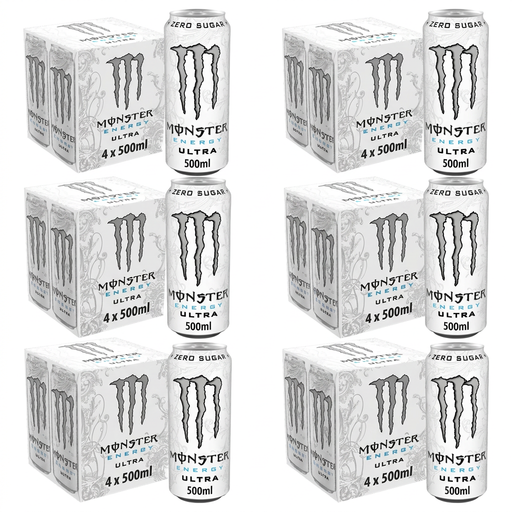 No image available
A multipack of 500 ml zero-sugar cans for guests who prefer Monster’s described light-citrus flavour. Monster states 150 mg caffeine per 500 ml Ultra can; account for other caffeine consumed that day. The listed ingredients include sucralose and acesulfame K.
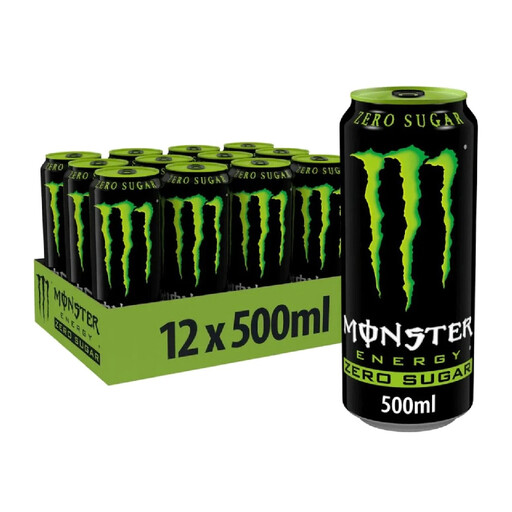 No image available
A 12-can option with an original-style Monster flavour. The product information states 500 ml per can, 0 g sugars and 160 mg caffeine per can. Its listed sweeteners include sucralose and acesulfame K; check the pack if guests avoid either ingredient.
 No image available
Four smaller cans for serving individually. Red Bull states 80 mg caffeine per 250 ml Sugarfree can. This product’s listed sweeteners include acesulfame K and aspartame; read its pack warning before serving.
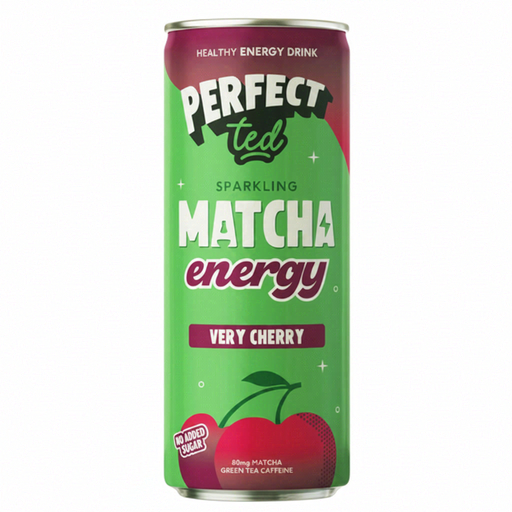 No image available
A cherry-flavoured option if no added sugar, rather than zero sugar, meets the requirement. The product information states 80 mg caffeine per 250 ml can and 3.7 g sugars per 100 ml from fruit juices. It is not sugar-free; check the pack’s guest-suitability warning before serving.
No. Red Bull says its sugar-free range uses sweeteners instead of sugar, and the cited Tesco Monster Ultra listing names sucralose and acesulfame K. Read the ingredients on the particular can if a guest avoids specific sweeteners.
Compare the amount per whole can, not just per 100 ml. Red Bull states 80 mg for its 250 ml Sugarfree can; Monster states 150 mg for 500 ml Ultra and 160 mg for 500 ml Zero Sugar. Also account for caffeine from drinks consumed earlier in the day.
Do not use zero sugar as a sign of suitability. UK government material describes a high-caffeine warning for applicable drinks stating that they are not recommended for children or pregnant or breast-feeding women. Check each pack’s warning and provide a non-caffeinated alternative.