A no-added-sugar energy drink is a choice for caffeine after exercise, not a replacement for recovery food and fluids. For low-intensity activity, a zero-sugar sports drink with sodium may better match a hydration-focused choice; after intense or prolonged exercise, the UK Sports Institute advises carbohydrate- and protein-rich food and plenty of fluids. If you choose a caffeinated drink, check the sugar declaration, ingredients and caffeine per whole container.
Who is choosing?
Adults seeking alertness after training
If food and fluids are already covered, a sugar-free energy drink is a separate caffeine choice. Compare the amount in the whole can, particularly if you have also had coffee, tea or another caffeinated product.
Low-intensity exercisers choosing a drink
If the aim is a zero-sugar drink with added sodium, compare sports-drink labels rather than assuming a conventional energy drink has the same formulation.
People finishing intense or prolonged exercise
The UK Sports Institute advises a carbohydrate- and protein-rich snack and plenty of fluids as soon as possible after intense or prolonged exercise. A caffeinated, sugar-free drink does not replace that food-and-fluids choice.
What should you check?
Decide whether you need recovery food and fluids, a hydration-oriented drink or caffeine for alertness before comparing cans. A zero-sugar claim alone does not establish what else a drink provides.
| Priority | What to check | Your needs |
|---|
| Recovery food and fluids |
After intense or prolonged exercise, consider fluids alongside carbohydrate- and protein-rich food. The UK Sports Institute advises a snack and plenty of fluids as soon as possible, followed by a full meal within two hours. |
After a long or hard session, I need more than a caffeinated drink to cover food and fluids. |
| Sugar and ingredients |
Read the sugars declaration per 100 ml and per container, then check the ingredient list for sweeteners. Do not assume that a product called “Zero” has 0 g sugars: Tesco lists 0.1 g per 100 ml for Lucozade Energy Zero Pink Lemonade. |
If I am avoiding added sugar or a particular sweetener, I want to check the formulation rather than rely on the product name. |
| Sports-drink formulation |
For a hydration-oriented sports drink, check its stated exercise use and sodium declaration. Lucozade Sport Zero product information lists added sodium; it is not a substitute for carbohydrate- and protein-rich food after intense or prolonged exercise. |
For lower-intensity activity, I may want a zero-sugar drink with added sodium rather than caffeine for alertness. |
| Caffeine per container |
Compare the whole-can amount, other caffeine consumed and the warning panel. Red Bull states 80 mg per 250 ml Sugarfree can; Monster Energy’s UK page states 150 mg per 500 ml Ultra can, while a Sainsbury’s listing states 160 mg. Check the current can label where figures differ. |
If I choose caffeine after exercise, I want to know the amount I would consume from the entire container, especially later in the day. |
Common buying mistakes
-
Reading “energy” as recovery fuel
Caffeine for alertness is a different purpose from taking in food and fluids after intense or prolonged exercise.
Plan the food-and-fluids choice first. Treat a caffeinated drink, if wanted, as a separate purchase.
-
Comparing caffeine without checking the whole can
Container amounts differ: Red Bull states 80 mg in a 250 ml Sugarfree can, while published figures for a 500 ml Monster Ultra can differ between Monster Energy’s 150 mg and Sainsbury’s 160 mg.
Read the current can label and account for caffeine from other drinks and products.
-
Assuming zero sugar means sports hydration
A sugar declaration does not tell you whether a drink contains added sodium or how it is intended to be used around exercise.
If you want a sports-drink format, check the sodium information and the product’s stated use as well as its sugars.
-
Overlooking ingredients and caffeine warnings
Sweeteners and caffeine warnings remain relevant even when a drink has no sugar. Relentless, for example, warns that its drinks are not recommended for children, pregnant or breastfeeding women, or people sensitive to caffeine.
Read the ingredient list and the warning panel on the particular product before choosing it.
Relevant brand ranges
Brand names cover different formulations, so use the particular product label when comparing sugar, sodium and caffeine.
Red Bull
Red Bull Sugarfree is a caffeinated, sugar-free energy drink in a 250 ml can.
- Red Bull states 80 mg caffeine per 250 ml Sugarfree can; the Joybuy product information lists 0 g sugars per 100 ml.
- Its caffeine makes it an alertness choice, not a replacement for recovery food and fluids after intense or prolonged exercise.
Monster Energy
Monster Ultra is a zero-sugar energy drink sold in a 500 ml can.
- Monster Energy’s UK page describes Ultra as zero sugar.
- Monster Energy states 150 mg caffeine per 500 ml, while a Sainsbury’s listing states 160 mg. Check the caffeine declaration on the can you buy.
Lucozade
Lucozade Sport Zero is a sports-drink range with added sodium; Lucozade Energy Zero is a separate caffeinated soft-drink range.
- Lucozade Sport Zero product information lists zero sugar and added sodium for a sporting occasion.
- Do not treat the two ranges as interchangeable. Tesco lists caffeine and 0.1 g sugars per 100 ml for Lucozade Energy Zero Pink Lemonade.
Relentless
Check the individual Relentless formulation before considering it for a no-added-sugar purchase.
- Relentless publishes ingredient information for its individual drinks.
- Its Guava ingredients include sucrose, and its White Citrus page describes a drink with sugar and sweetener; neither is an example for a strict no-added-sugar choice.
Joybuy energy-drink options
These are caffeinated energy-drink options to consider if alertness is your separate aim after exercise. Check each product’s sugar, caffeine and ingredient declarations; these drinks do not replace food and fluids after intense or prolonged activity.
 No image available
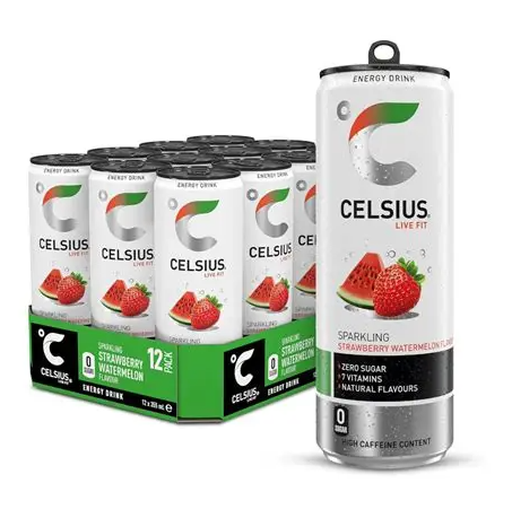
CELSIUS Watermelon Strawberry 12x355ml
If you are considering this energy drink after exercise, check the can’s sugars, ingredients and caffeine per serving against what you intend to consume. The pack contains 12 × 355 ml cans; it is not a substitute for recovery food and fluids.
View on Joybuy
 No image available
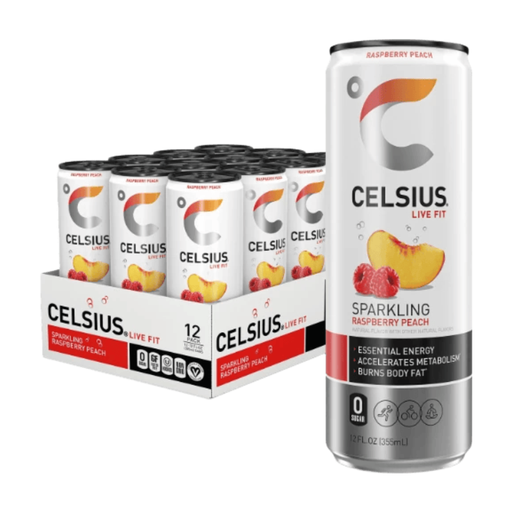
CELSIUS Raspberry Peach 12x355ml
For an after-exercise caffeine choice, read the sugars and caffeine declarations for the whole can, not just the flavour or pack name. This is a pack of 12 × 355 ml cans; plan food and fluids separately when recovering from intense or prolonged exercise.
View on Joybuy
 No image available
Red Bull Sugarfree 250ml 4 Pack
A small-can caffeine option if food and fluids are already covered. Red Bull states 80 mg caffeine per 250 ml can, and the Joybuy product information lists 0 g sugars per 100 ml. Check the sweeteners and warning panel if relevant to you.
View on Joybuy
 No image available
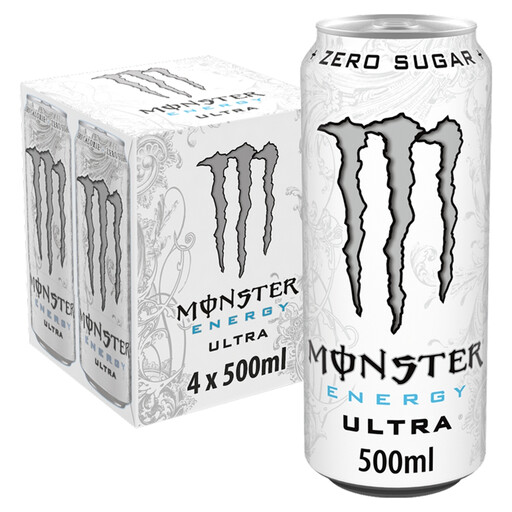
Monster Energy Ultra Zero Sugar 4x500ml
This is a zero-sugar energy-drink option in four 500 ml cans, not recovery food. Monster Energy’s UK page states 150 mg caffeine per 500 ml Ultra can, while a Sainsbury’s listing states 160 mg; use the current can label when assessing the whole-can amount.
View on Joybuy
Questions about drinks after exercise
Is a no-added-sugar energy drink enough for post-workout recovery?
Not after intense or prolonged exercise if you also need recovery food and fluids. The UK Sports Institute advises a carbohydrate- and protein-rich snack and plenty of fluids as soon as possible, followed by a full meal within two hours. A caffeinated energy drink is a separate alertness choice.
When would a zero-sugar sports drink make more sense?
Consider one when you want a hydration-oriented drink with added sodium for lower-intensity activity, rather than caffeine for alertness. Lucozade Sport Zero product information lists zero sugar and added sodium; it does not replace a carbohydrate- and protein-rich snack or meal when those are needed.
How should I compare caffeine in sugar-free cans?
Compare caffeine per whole can and include other sources in your day. Red Bull states 80 mg per 250 ml Sugarfree can; Monster Energy states 150 mg per 500 ml Ultra can, while Sainsbury’s lists 160 mg for Ultra. Where published figures differ, read the current can label.
Does zero sugar mean a drink contains no sweeteners?
No. A zero-sugar declaration does not rule out sweeteners. Read the ingredients on the particular can if you avoid one, and check any accompanying ingredient statements.
Does a sugar-free label change the caffeine warning during pregnancy?
No. NHS guidance says caffeine intake during pregnancy should not exceed 200 mg a day and identifies energy drinks as a caffeine source. Check the caffeine amount and product warnings; Relentless also says its drinks are not recommended for pregnant or breastfeeding women.


