If you have been sweating, choose water to replace lost fluid; the NHS recommends it for this purpose. A no-added-sugar fizzy drink can be a choice for flavour, but check total sugars per 100ml and caffeine if either matters to you. No added sugar does not always mean 0g sugars, and the NHS notes that carbonated drinks are associated with dental erosion because of their acid content, regardless of sugar content.
Who is choosing these drinks?
Shoppers cutting back on sugar
If you want a sweet, fizzy drink after training, compare the ‘of which sugars’ figure per 100ml. Tesco’s No Added Sugar Cloudy Lemonade, for example, lists 0.2g sugars per 100ml, while some drinks labelled zero sugar list 0g.
Evening exercisers avoiding caffeine
If caffeine matters to you, look for the exact caffeine-free variant rather than relying on a zero-sugar name. Coca-Cola GB and Pepsi UK distinguish their caffeine-free colas from standard zero-sugar versions that list caffeine in their ingredients.
Shoppers considering acidity
Reducing sugar does not remove every consideration associated with fizzy drinks. The NHS says carbonated drinks are associated with dental erosion due to acid content whether they contain sugar or sweeteners.
What should you check before buying?
Decide whether you mainly need to replace fluid or want a drink for its flavour. Then compare the label of the particular fizzy drink you plan to buy.
| Priority |
What to check |
Your needs |
| Fluid replacement |
The NHS recommends water to replace fluids lost through physical activity. If you have been sweating, start with water rather than assuming a soft drink has a special recovery role. |
After a sweaty session, I want to deal with thirst before choosing a fizzy drink for its flavour. |
| Total sugars |
Read ‘of which sugars’ per 100ml, not just ‘no added sugar’ on the front. Tesco No Added Sugar Cloudy Lemonade lists 0.2g sugars per 100ml; its listing includes fruit juices from concentrate. |
If I specifically want 0g sugars, a no-added-sugar claim alone does not answer my question. |
| Caffeine |
Check the exact variant and its ingredients. Coca-Cola GB and Pepsi UK list caffeine in their standard Zero Sugar and Max colas respectively, while their named caffeine-free variants are distinct products. |
For a drink after an evening workout, I may want an explicitly caffeine-free option. |
| Sweeteners |
Read the ingredients and any phenylalanine statement if you need to avoid aspartame because of phenylketonuria (PKU). Do not assume all zero-sugar drinks have the same recipe. |
If PKU is relevant to me, I need to check the sweetener information on the particular pack. |
| Acidity |
Zero sugars do not mean a carbonated drink has no acid-related considerations. The NHS associates carbonated drinks with dental erosion regardless of whether they contain sugar or sweeteners. |
I want the fizzy flavour without mistaking a zero-sugar label for an absence of dental-erosion concerns. |
Common buying mistakes
-
Reading ‘no added sugar’ as ‘zero sugars’
A drink containing fruit juice can carry a no-added-sugar description and still list total sugars. Tesco No Added Sugar Cloudy Lemonade lists 0.2g sugars per 100ml.
If 0g is your requirement, use the per-100ml ‘of which sugars’ figure to choose between products.
-
Assuming zero-sugar cola is caffeine-free
Coca-Cola GB and Pepsi UK list caffeine in their standard Zero Sugar and Max products, alongside separate caffeine-free variants.
Choose a variant explicitly identified as caffeine-free and check the pack when buying.
-
Choosing a soft drink instead of water for thirst
The NHS identifies water as the way to replace fluids lost through physical activity. A fizzy drink chosen for flavour should not be mistaken for a sports-recovery product.
When you have been sweating, drink water first; decide separately whether you want a fizzy drink.
-
Assuming zero sugar removes acidity concerns
The NHS associates carbonated drinks with dental erosion due to acid content, regardless of their sugar or sweetener content.
Keep that distinction in mind when deciding how often to have a fizzy drink, and use water for routine hydration.
Relevant brand references
Coca-Cola
Coca-Cola GB lists 0g sugars per 100ml for both Coca-Cola Zero Sugar and Coca-Cola Zero Sugar Caffeine Free.
- The named Caffeine Free variant offers a cola option when you want to avoid caffeine.
- Standard Coca-Cola Zero Sugar lists caffeine flavouring; check the variant rather than the Zero Sugar name alone.
Pepsi
Pepsi UK lists 0g sugars per 100ml for Pepsi Max and Pepsi Max Caffeine Free.
- Pepsi Max Caffeine Free is expressly identified as having no caffeine.
- Standard Pepsi Max lists caffeine in its flavourings. Both variants list aspartame, which matters if you have PKU.
Sprite
Sprite Zero is a lemon-and-lime alternative to cola; Coca-Cola GB lists 0g sugars per 100ml for this product.
- Its stated flavour and sugars figure give non-cola drinkers a specific label to compare.
- Its ingredients include acids and sweeteners; the NHS’s dental-erosion consideration still applies to carbonated drinks.
Tesco
Tesco No Added Sugar Cloudy Lemonade illustrates the distinction between no added sugar and zero total sugars.
- The listing identifies a lemonade with fruit juices from concentrate and sweetener.
- It lists 0.2g sugars per 100ml, not 0g. Check the current pack when comparing recipes and nutrition information.
Fizzy drink options on Joybuy
These packaged fizzy drinks offer lemonade, cola and apple-flavoured choices for after exercise. Compare each pack’s sugars and ingredients against your own requirements; water remains the NHS-recommended choice for replacing fluid lost through physical activity.
 No image available
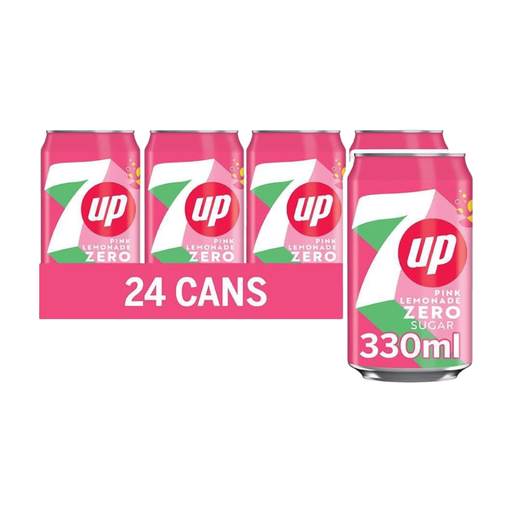
7 Up Lemonade Zero 24 × 330ml
A lemonade choice if you want fizzy flavour after a workout. The pack contains 24 × 330ml; check its sugars figure and ingredients on the pack if you have specific sugar, caffeine or sweetener requirements.
View on Joybuy
 No image available
Pepsi Max Caffeine Free 24 × 330ml
A cola option when you want to avoid caffeine. Pepsi UK lists 0g sugars per 100ml for Pepsi Max Caffeine Free; this pack contains 24 × 330ml. The brand lists aspartame, so check the pack if PKU is relevant to you.
View on Joybuy
 No image available
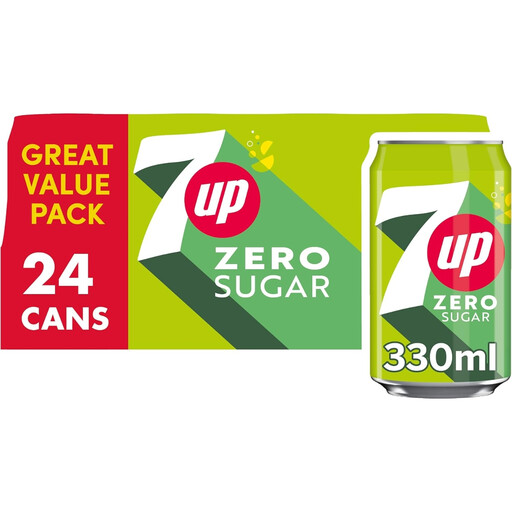
7UP Zero 24 × 330ml
Consider this 24 × 330ml pack if you prefer 7UP to cola after exercise. Check the particular pack’s per-100ml sugars, caffeine information and sweeteners against your requirements.
View on Joybuy
 No image available
Coca-Cola Zero Sugar 24 × 330ml
A cola choice if caffeine is not something you need to avoid. Coca-Cola GB lists 0g sugars per 100ml for Coca-Cola Zero Sugar, but its ingredients include caffeine flavouring. This pack contains 24 × 330ml.
View on Joybuy
 No image available
Tango Apple Sugar-Free 24 × 330ml
An apple-flavoured option rather than cola, supplied as 24 × 330ml cans. Check the pack’s sugars per 100ml and its ingredients for caffeine if you avoid it; the sugar-free name alone does not answer the caffeine question.
View on Joybuy
Questions about post-gym fizzy drinks
Should I choose a no-added-sugar fizzy drink for rehydration after the gym?
Choose water when replacing fluid lost through exercise is your main concern; that is the NHS recommendation. You can decide separately whether you want a fizzy drink for flavour, without treating it as a sports-recovery product.
Does ‘no added sugar’ mean 0g sugars?
No. Read ‘of which sugars’ per 100ml: Tesco No Added Sugar Cloudy Lemonade lists 0.2g sugars per 100ml and contains fruit juices from concentrate. By comparison, Coca-Cola GB and Pepsi UK list 0g sugars per 100ml for their named Zero Sugar Caffeine Free and Max Caffeine Free colas.
Which cola can I check if I want to avoid caffeine after an evening workout?
Look for an explicitly caffeine-free variant, such as Coca-Cola Zero Sugar Caffeine Free or Pepsi Max Caffeine Free, and check the exact pack. Their standard Zero Sugar and Max counterparts list caffeine in their ingredients, according to Coca-Cola GB and Pepsi UK.
Does zero sugar remove the dental concern with fizzy drinks?
No. The NHS says carbonated drinks are associated with dental erosion because of acid content, whether they contain sugar, lower-calorie sweeteners or no-calorie sweeteners. A zero-sugar label addresses sugars, not that acidity consideration.


