Households stocking up
Large bottles and can multipacks may suit drinks kept at home. Check the total quantity and whether you will use it, particularly when an offer requires more than one pack.


Choose a bottle or multipack you can use, then compare flavours, nutrition panels and ingredients: drinks labelled “zero” or “no added sugar” do not necessarily have identical nutrition values. If phenylketonuria (PKU) is relevant, check for aspartame; the NHS also notes that acidic carbonated drinks are associated with dental erosion even when they contain no sugar.
Large bottles and can multipacks may suit drinks kept at home. Check the total quantity and whether you will use it, particularly when an offer requires more than one pack.
Cola, orange, lemon-lime and other fruit flavours offer different choices. Read the nutrition panel for the exact drink rather than assuming the wording on the front tells you its full sugar content.
Sweeteners, caffeine and phenylalanine warnings can affect which drink is suitable. The NHS also advises that the acidity of carbonated drinks matters for dental erosion, regardless of sugar content.
Start with a format that fits your household, then compare the exact drink labels before choosing a flavour.
| Priority | What to check | Your needs |
|---|---|---|
| Pack format | Check bottle volume or can count and size. For a multibuy, check which products qualify and how many you must take. | I need a quantity the household will use, rather than extra bottles bought only to qualify for an offer. |
| Sugars and flavour | Compare sugars per 100ml on the exact nutrition panel, then distinguish cola, orange, lemon-lime and other fruit flavours. Tesco Groceries lists 0.4g sugars per 100ml for Fanta Zero Orange despite its zero-sugar wording. | Cola may be my preference, or I may want a citrus or fruit flavour; the label matters more than assuming every “zero” drink is identical. |
| Sweeteners and caffeine | Read the ingredient list and any phenylalanine warning. Check for caffeine or choose a variant explicitly labelled caffeine-free when that distinction matters. | If I am avoiding caffeine, I need to distinguish the regular drink from its caffeine-free variant. If PKU is relevant, I need to check for aspartame, which the NHS says is unsuitable for people with PKU. |
| Acidity | Consider how often the drink will be consumed. The NHS associates carbonated drinks with dental erosion because of their acid content, including drinks without sugar. | I do not want to mistake a no-sugar label for a claim that frequent sipping poses no dental concern. |
Tesco Groceries lists 0.4g sugars per 100ml for Fanta Zero Orange. A front-of-pack description does not replace the nutrition table.
Compare sugars per 100ml on the exact bottle, particularly when moving between cola and fruit-flavoured drinks.
A multibuy applies only when its qualifying-product and quantity conditions are met.
Check the offer terms and choose the pack quantity that fits your household.
A qualifying multibuy means taking home more than one product, which may be impractical if you need only one bottle.
The NHS associates carbonated drinks with dental erosion because of their acidity, whether or not they contain sugar.
Do not treat a no-sugar fizzy drink as interchangeable with water for every drinking occasion.
The NHS says aspartame is unsuitable for people with PKU. Ingredient lists for some of the cola and fruit-flavoured examples also include caffeine.
Read the current pack for sweeteners, phenylalanine warnings and caffeine; check the variant name if you require a caffeine-free drink.
These examples describe particular drinks and labels, not every product made by each brand.
Tesco No Added Sugar Cloudy Lemonade and Tesco Orange Zero are listed as 2L own-label options with different flavours.
Coca-Cola Zero Sugar is a cola option; Coca-Cola Zero Sugar Zero Caffeine is a separate variant.
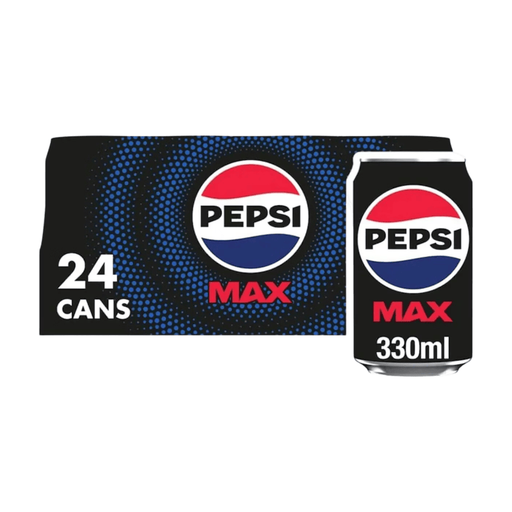
Pepsi Max offers a no-sugar cola flavour; caffeine-free products must be identified as separate variants.
Sprite Zero Sugar is a lemon-lime option rather than a cola.
Fanta Zero Orange is an orange-flavoured alternative.
Dr Pepper Zero provides a fruit-flavoured alternative to cola and citrus drinks.
These 24-can options cover cola, lemon-and-lime and apple flavours for stocking at home. Compare their pack labels and choose a quantity you can use.
 No image available
A caffeine-free cola variant in a 24-can pack. Check the current ingredient label for aspartame and phenylalanine information if PKU is relevant.
 No image available
A cola multipack for households choosing cans. This is not the Caffeine Free variant; check the current pack for caffeine, aspartame and phenylalanine information.
 No image available
A zero-sugar cola choice in a 24-can pack. Check the current ingredients for caffeine and aspartame; do not confuse it with a separately labelled caffeine-free variant.
 No image available
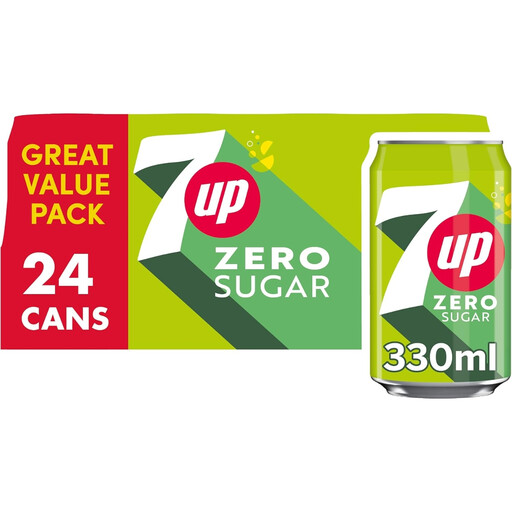
A lemon-and-lime alternative to the cola packs, with 24 cans. Check the current pack for sweeteners and any phenylalanine warning if PKU is relevant.
 No image available
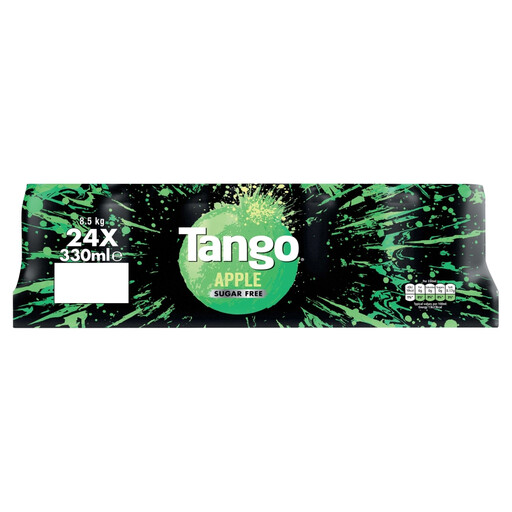
An apple-flavoured choice instead of cola or lemon-and-lime, supplied as 24 cans. Compare the nutrition and ingredient label on the exact pack with any other flavour you are considering.
If your aim is to reduce sugar, the NHS suggests swapping sugary drinks for diet, sugar-free or no-added-sugar drinks. Check the exact nutrition label; water remains a separate option for everyday hydration.
No. Tesco Groceries lists 0.4g sugars per 100ml for Fanta Zero Orange despite its zero-sugar wording. Compare nutrition panels for the particular bottles you are choosing.
Check for aspartame and a phenylalanine warning on the current pack. The NHS states that aspartame is unsuitable for people with phenylketonuria (PKU); several of the listed cola and citrus examples contain it.
No. The NHS associates carbonated drinks with dental erosion because of their acid content, whether they contain sugar or sweeteners.