Students stocking a shared kitchen
If you are buying drinks for a move-in, compare the sugars per 100ml and ingredients on each flavour. Think about whether individual cans or a larger shared bottle will suit the space and the people using it.


For a student move-in, choose fizzy drinks by checking the exact pack’s ingredients and ‘of which sugars’ figure per 100ml, rather than relying on ‘zero sugar’ or a flavour name. Then narrow the choice by flavour, caffeine and sweeteners, especially if anyone sharing the drinks has phenylketonuria (PKU). Sugar-free fizz is still acidic, so keep water available for between meals.
If you are buying drinks for a move-in, compare the sugars per 100ml and ingredients on each flavour. Think about whether individual cans or a larger shared bottle will suit the space and the people using it.
Pepsi UK lists Pepsi MAX No Caffeine as a separate zero-sugar cola variant. Check the exact pack rather than assuming every zero-sugar cola is caffeine-free.
Check each pack for aspartame, also labelled E951, and a phenylalanine warning. The NHS says aspartame is not suitable for people with PKU; several of the cola and lemon-lime variants discussed here contain it.
Start with the sugar figure and ingredients on the exact drink, then choose a flavour and pack format that work for the kitchen you are stocking.
| Priority | What to check | Your needs |
|---|---|---|
| Sugar and ingredients | Compare ‘of which sugars’ per 100ml. Read the ingredients as well: ‘no added sugar’ does not necessarily mean no naturally occurring sugar. | I want to compare different flavours and pack sizes without mistaking a fruit-flavoured or lower-calorie drink for a sugar-free one. |
| Flavour | Choose between cola, lemon-lime and fruit flavours, then check the particular variant. Coca-Cola GB lists Sprite Zero Sugar at 0g sugars per 100ml; Joybuy lists Fanta Orange Zero Sugar at 0.4g per 100ml. | For a shared kitchen, I would rather pick flavours people will drink than assume every ‘zero’ variety has the same sugar figure. |
| Caffeine | Look for caffeine in the ingredients or choose an explicitly no-caffeine variant. Pepsi UK distinguishes Pepsi MAX No Caffeine from Pepsi MAX. | If I do not want caffeine in an evening drink, ‘zero sugar’ alone is not enough information. |
| Sweeteners | Check for aspartame or E951 and the phenylalanine warning. According to the NHS, aspartame is not suitable for people with PKU. | Someone sharing the drinks may need to avoid aspartame, so I need to check every variant rather than the brand as a whole. |
| Pack format | Check the number and size of cans or the bottle volume. Match the format to available storage and whether drinks will be shared. | Individual cans might suit separate cupboards; a larger bottle might suit a shared fridge, if there is room. |
| Between-meal drinks | Consider how often you will drink fizz. The NHS associates carbonated drinks with dental erosion because of their acid content, regardless of sugar or sweetener content. | I want a fizzy option in the kitchen without making it my default drink between meals; I can keep water available too. |
Flavour names do not establish what is in the drink. Coca-Cola GB lists standard Sprite at 4.4g sugars per 100ml and Sprite Zero Sugar at 0g; Joybuy lists Fanta Orange Zero Sugar at 0.4g per 100ml.
Compare ‘of which sugars’ per 100ml and read the ingredients on the exact flavour and pack.
Some zero-sugar drinks contain aspartame. The NHS says it is not suitable for people with PKU, and a caffeine-free variant can still contain it.
If you or someone sharing the drinks has PKU, check for aspartame or E951 and the phenylalanine warning on every pack.
The NHS associates carbonated drinks with dental erosion because of their acid content, including drinks made with sweeteners instead of sugar.
Keep water available for between meals rather than relying on fizzy drinks throughout the day.
Coca-Cola Zero Sugar and Pepsi MAX list caffeine among their ingredients; Pepsi MAX No Caffeine is a distinct variant.
If caffeine matters to you, check the variant name and ingredients before adding a multipack to the move-in shop.
These examples show why the exact variant matters; a brand name alone does not establish its sugar, caffeine or sweetener content.
Coca-Cola Zero Sugar is a cola option for shoppers who want the familiar flavour category.
The Pepsi MAX range offers both a regular variant and a distinct No Caffeine variant.
Sprite Zero Sugar is a lemon-and-lime alternative to cola.
Fanta Orange Zero Sugar offers an orange-flavoured option.
Dr Pepper Zero is another flavour option outside a standard cola or lemon-lime choice.
Tesco’s own-label range includes larger bottles to consider for a shared kitchen.
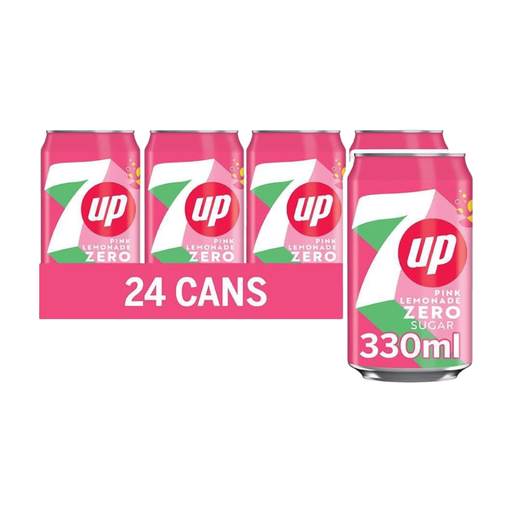
These can multipacks offer cola and non-cola choices for stocking a student kitchen. Compare the exact pack label for sugars, caffeine and sweeteners before deciding which flavours to share.
 No image available
A lemonade can multipack for a non-cola choice in a shared kitchen. Check the pack’s flavour description, sugar figure and sweeteners before buying, particularly if anyone has PKU.
 No image available
A cola can multipack to consider when caffeine is unwanted. Pepsi UK identifies its No Caffeine variant as zero sugar, but caffeine-free does not mean aspartame-free; check the exact pack if PKU is relevant.
 No image available
A cola can multipack for shoppers who want the regular Pepsi MAX variant. Pepsi UK lists 0g sugars per 100ml for Pepsi MAX; its ingredients include caffeine and aspartame, so check the pack if either matters to your household.
 No image available
A cola can multipack for stocking a shared kitchen. Coca-Cola GB lists 0g sugars per 100ml for Coca-Cola Zero Sugar; its ingredients include caffeine and aspartame, so check the exact pack for anyone avoiding either ingredient.
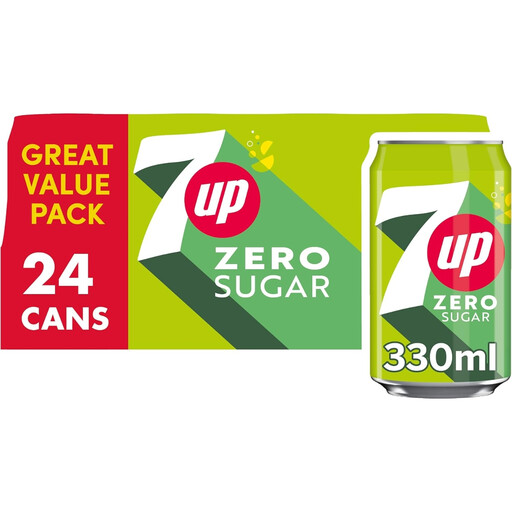 No image available
A lemon-and-lime can multipack if the shared kitchen needs an alternative to cola. Check the exact pack’s sugar figure and ingredients, including aspartame and any phenylalanine warning if PKU is relevant.
No. A drink described as having no added sugar can still contain naturally occurring sugars. Compare ‘of which sugars’ per 100ml and read the ingredients on the exact pack.
Do not assume they are. Coca-Cola GB and Pepsi UK list 0g sugars per 100ml for Coca-Cola Zero Sugar and Pepsi MAX, while Joybuy lists 0.4g per 100ml for Fanta Orange Zero Sugar. Check both the nutrition panel and ingredients for the drink you are buying.
Check each pack for aspartame or E951 and a phenylalanine warning. The NHS says aspartame is not suitable for people with PKU; a zero-sugar or caffeine-free label does not establish that a drink is aspartame-free.
Its lack of sugar does not remove the acidity concern. The NHS associates carbonated drinks with dental erosion because of their acid content, regardless of sugar or sweetener content; keep water available between meals.
Follow the instructions on each pack and check its best-before date. The Joybuy product information for Coca-Cola Zero Sugar and Pepsi MAX multipacks says to store them somewhere cool and dry; handle pressurised cans as directed on the packaging.