For a TV night, choose a zero-sugar cola if cola flavour matters most, or a specifically caffeine-free version if you want to avoid caffeine in the evening. If you prefer fruit or lemonade flavours, check the exact variant’s sugars per 100ml and ingredients: ‘no added sugar’ does not necessarily mean 0g total sugars. Sugar-free fizz is still acidic, a consideration the NHS raises for teeth.
Who is this choice for?
Cola drinkers comparing sugar content
If you want cola with your TV-night snacks, compare the exact variant rather than relying on the brand name. Coca-Cola GB and Pepsi UK list 0g sugars per 100ml for Coca-Cola Zero Sugar and Pepsi Max respectively; both list caffeine.
Evening viewers avoiding caffeine
A zero-sugar label does not establish caffeine status. Pepsi UK identifies Pepsi Max Caffeine-Free as a separate zero-sugar, caffeine-free variant.
Fruit and lemonade flavour shoppers
If cola is not your preferred flavour, look for the full Zero, Sugar Free or No Added Sugar variant name. Tesco Groceries lists named citrus, orange and lemonade options, but the exact pack label is the place to compare sugars and ingredients.
What should you check before choosing?
Start with flavour and caffeine preference, then compare the exact drink’s nutrition panel, ingredients and pack size.
| Priority | What to check | Your needs |
|---|
| Sugars |
Read ‘of which sugars’ per 100ml and per serving on the exact variant. Do not treat ‘no added sugar’ as a guarantee of 0g total sugars. |
I want fizz with my snacks while comparing the sugar content of the drink I will actually pour, not another product from the same brand. |
| Caffeine |
Check for an explicit caffeine-free designation and read the ingredients. Pepsi UK lists caffeine for Pepsi Max and identifies Pepsi Max Caffeine-Free as a separate variant. |
For an evening drink, avoiding caffeine may matter more to me than choosing a particular cola flavour. |
| Flavour and pack |
Confirm the full variant name, flavour and bottle or can size. For a multipack, check the number and size of individual cans. |
I might prefer citrus, orange or apple to cola, or want individual cans to put out during a TV night. |
| Acidity |
Do not use sugar-free wording as a measure of acidity. The NHS says carbonated drinks are associated with dental erosion because of their acid content, regardless of sweetener or sugar content. |
If I tend to sip a drink throughout a programme, I do not want to mistake zero sugar for a tooth-neutral choice. |
| Ingredients |
Read the current ingredient list and any ‘contains a source of phenylalanine’ warning on the chosen pack. |
I need to know whether a particular sweetener or a phenylalanine warning is relevant to the person who will drink it. |
Common buying mistakes
-
Choosing by brand name rather than variant
A retailer may list standard and zero-sugar drinks from the same brand together, so the brand alone does not identify the drink’s sugar content.
Check the full product name, then compare ‘of which sugars’ on the exact pack before adding it to your basket.
-
Reading ‘no added sugar’ as ‘0g sugars’
‘No added sugar’ describes added sweetening ingredients; it does not, on its own, give the total sugars in the finished drink.
Use the nutrition panel’s per-100ml and per-serving figures to compare drinks.
-
Assuming zero-sugar cola has no caffeine
Coca-Cola Zero Sugar and standard Pepsi Max list caffeine, while Pepsi Max Caffeine-Free is a distinct product.
If you want to avoid caffeine in the evening, select an explicitly caffeine-free variant and check its current label.
-
Treating sugar-free fizz as tooth-neutral
The NHS associates carbonated drinks with dental erosion because of their acidity, whether or not they contain sugar.
Keep that distinction in mind when choosing a drink you expect to sip over a long TV session.
Brand and flavour references
These examples help distinguish variants and flavours; check the label of the pack you choose.
Coca-Cola
Coca-Cola Zero Sugar is a cola option for shoppers seeking 0g sugars per 100ml, as listed by Coca-Cola GB.
- The named Zero Sugar variant makes the intended cola choice clear.
- Its listed ingredients include caffeine flavouring and sweeteners; check the pack’s phenylalanine warning where relevant.
Pepsi
Pepsi UK lists 0g sugars per 100ml for Pepsi Max and identifies Pepsi Max Caffeine-Free as a separate option.
- The named Caffeine-Free variant lets evening shoppers distinguish it from standard Pepsi Max.
- Pepsi Max lists caffeine; both variants call for an ingredient check if sweeteners or a phenylalanine warning matter to you.
Sprite
For a lemon-lime flavour instead of cola, Tesco Groceries lists a Sprite Zero Sugar multipack.
- The named variant provides a citrus-flavour route to compare.
- Check the exact pack’s nutrition panel and ingredients rather than assuming every Sprite variant has the same formulation.
Fanta
Tesco Groceries lists named Fanta Zero orange and fruit-twist variants for shoppers preferring fruit flavours.
- The distinct variant names help narrow a fruit-flavour choice.
- Select the exact Zero variant and read its own nutrition and ingredient labels.
Dr Pepper
Tesco Groceries lists Dr Pepper Zero alongside other Dr Pepper products.
- The Zero name distinguishes the variant to inspect when comparing sugar content.
- Do not assume the standard and Zero products have the same nutrition or ingredients; check the selected bottle.
Tesco
Tesco Groceries lists own-label options including No Added Sugar Cloudy Lemonade and Orange Zero.
- The named lemonade and orange variants offer different flavours to compare with cola.
- ‘No Added Sugar’ and ‘Zero’ are different label terms; use each product’s nutrition panel for its total sugars.
Joybuy fizzy-drink options
These options cover cola, cherry cola, lemon-and-lime and apple-flavoured drinks for a TV night. Compare the named variant, pack size and caffeine information for the choice you want to make.
 No image available
Pepsi Max Caffeine Free 24 x 330ml
For a cola-style drink when you want to avoid caffeine in the evening. The title specifies 24 x 330ml cans; Pepsi UK identifies this variant as zero sugar and caffeine-free. Check the current pack’s sweeteners and phenylalanine warning where relevant.
View on Joybuy
 No image available
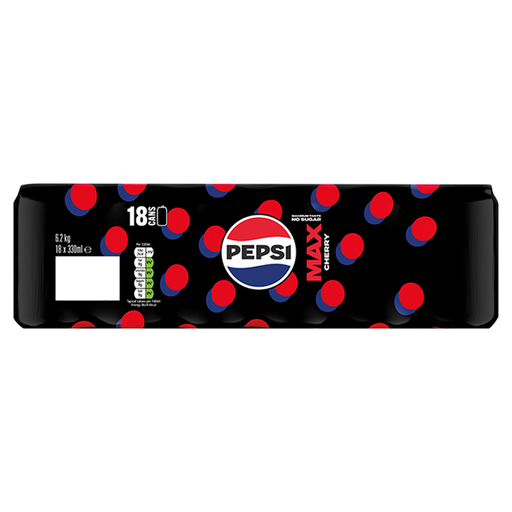
Pepsi Max Cherry 18 x 330ml
A cherry-cola option if you want a different flavour for a TV night. The pack contains 18 x 330ml cans. This is not the named Caffeine-Free variant; check the current label if you are avoiding caffeine or need to review its ingredients.
View on Joybuy
 No image available
Coca-Cola Zero Sugar 24 x 330ml
For a familiar cola flavour in a 24 x 330ml can pack. Coca-Cola GB lists 0g sugars per 100ml for Coca-Cola Zero Sugar and includes caffeine flavouring in its ingredients. Check the current pack if caffeine, sweeteners or its phenylalanine warning affect your choice.
View on Joybuy
 No image available
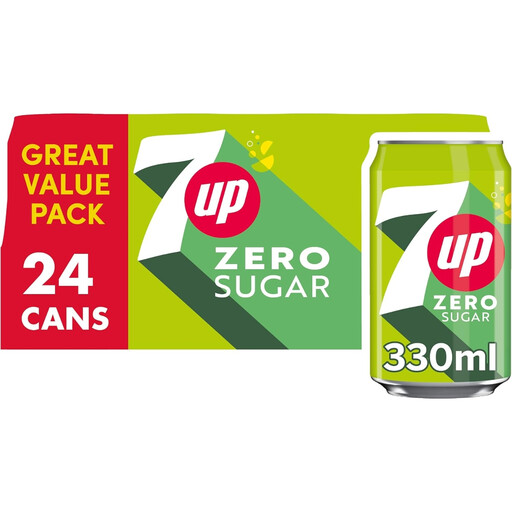
7UP Zero 24 x 330ml
A Zero-labelled alternative to cola in a 24 x 330ml can pack. Compare the current nutrition panel and ingredients with any other citrus-flavoured drink you are considering, particularly if sweeteners or a phenylalanine warning matter to you.
View on Joybuy
 No image available
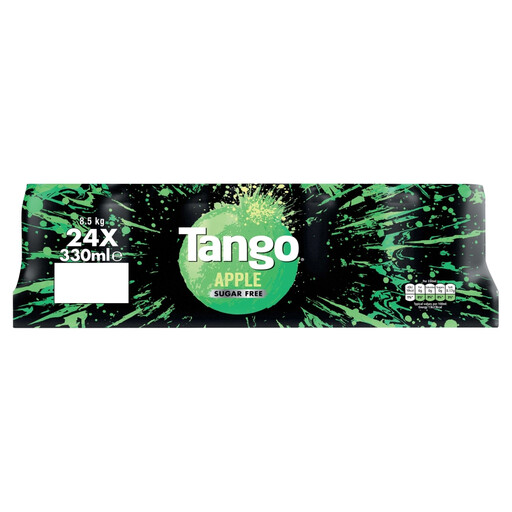
Tango Apple Sugar-Free 24 x 330ml
An apple-flavoured, Sugar-Free-labelled option in a 24 x 330ml can pack. Check the current nutrition and ingredient labels for the exact variant, and confirm its caffeine status on the pack if you want to avoid caffeine.
View on Joybuy
Frequently asked questions
Does ‘no added sugar’ mean 0g sugars?
No. ‘No added sugar’ concerns ingredients added to sweeten a product; it does not by itself establish its total sugar content. Read ‘of which sugars’ on the exact drink’s nutrition panel, preferably per 100ml as well as per serving.
Which zero-sugar cola should I consider if I want to avoid caffeine?
Look for a specifically caffeine-free variant. Pepsi UK identifies Pepsi Max Caffeine-Free as zero sugar and caffeine-free, whereas standard Pepsi Max and Coca-Cola GB’s Coca-Cola Zero Sugar list caffeine.
Is sugar-free fizz tooth-neutral?
No. The NHS says carbonated drinks are associated with dental erosion because of their acidity, regardless of whether they contain sugar or sweeteners. Sugar content and acidity are separate things to consider when choosing a drink to sip during a TV night.
Is no-added-sugar fizz suitable for babies or young children?
The NHS advises against giving fizzy drinks to babies and young children because they are acidic and can damage tooth enamel. It also does not recommend diet or reduced-sugar drinks for this age group.


