Hosts serving different tastes
A cola and a non-cola choice give guests distinct flavours. Add an explicitly caffeine-free drink if that distinction matters to the group.


For a Sunday brunch with different preferences, put out a zero-sugar cola alongside a non-cola or explicitly caffeine-free choice rather than assuming one drink will suit everyone. Check sugars per 100ml and the ingredients on each pack: a zero-sugar name does not always mean the nutrition panel says 0g sugars, and caffeine-free cola may still contain aspartame.
The useful mix depends on whether guests differ mainly in flavour preference, caffeine preference or ingredient requirements.
A cola and a non-cola choice give guests distinct flavours. Add an explicitly caffeine-free drink if that distinction matters to the group.
Coca-Cola Zero Sugar and Pepsi MAX list 0g sugars per 100ml on their UK product information. Check the exact variant if caffeine or sweeteners also affect the choice.
Standard and caffeine-free cola variants are different products. Where a guest avoids aspartame or has phenylketonuria (PKU), check the ingredients and phenylalanine statement on the drink being served.
Choose flavours your guests will drink, then compare the sugar declaration, caffeine status and ingredient list for each exact variant.
| Priority | What to check | Your needs |
|---|---|---|
| Sugars | Read sugars per 100ml on the nutrition panel, not just the name. Coca-Cola Great Britain lists 0g for Coca-Cola Zero Sugar but 0.4g for Fanta Fruit Twist Zero, which contains fruit juice. | I want a drink whose panel actually says 0g sugars per 100ml, rather than assuming every zero-labelled flavour has the same value. |
| Caffeine | Check the exact variant. Coca-Cola Great Britain and Pepsi UK distinguish their standard zero-sugar colas from Coca-Cola Zero Sugar Caffeine Free and Pepsi MAX No Caffeine. | Someone at brunch avoids caffeine, so I need a separately labelled caffeine-free option. |
| Ingredients | Read the sweeteners and phenylalanine statement on each pack. The NHS says aspartame is not suitable for people with PKU because it contains phenylalanine. | If a guest avoids aspartame or has PKU, I need to check the actual drink and offer another suitable choice. |
| Flavour | Compare cola with lemon-and-lime or fruit-flavoured options; check the nutrition panel separately for each flavour and formulation. | Not everyone wants cola with brunch, so I would put out a contrasting flavour rather than more of the same drink. |
| Servings | Check the number of cans and volume per can against the number of people being served. | Individual cans would make it easier to offer more than one flavour around the table. |
Coca-Cola Great Britain lists 0.4g sugars per 100ml for Fanta Fruit Twist Zero, which contains fruit juice. The name alone does not give the panel value.
If 0g sugars per 100ml is the deciding condition, read that line of the nutrition panel for the exact flavour.
Standard Coca-Cola Zero Sugar and Pepsi MAX list caffeine; each has a separately named caffeine-free variant.
Choose a drink explicitly labelled caffeine-free for a guest who avoids caffeine.
The cited Coca-Cola, Pepsi and Sprite zero-sugar variants list aspartame or a phenylalanine statement. The NHS says aspartame is not suitable for people with PKU.
Check every exact pack and provide another suitable drink when a guest needs to avoid aspartame.
These are examples of distinct flavours and variants to compare, not a claim that every drink from a brand has the same ingredients.
Coca-Cola Zero Sugar is a cola option; Coca-Cola Zero Sugar Caffeine Free is a separate choice when caffeine matters.
Pepsi MAX and Pepsi MAX No Caffeine offer separate cola variants.
Sprite No Sugar offers a lemon-and-lime flavour instead of cola.
Fanta Fruit Twist Zero is a fruit-flavoured option to assess on its own label.
Tesco lists Dr Pepper Zero 2L as another flavoured fizzy-drink option.
Tesco lists own-label No Added Sugar Ginger Beer and Cream Soda alongside Zero variants in other flavours.
These multipacks cover cola, a caffeine-free cola variant and non-cola flavours for sharing at brunch. Compare each exact pack with guests’ sugar, caffeine and ingredient requirements.
 No image available
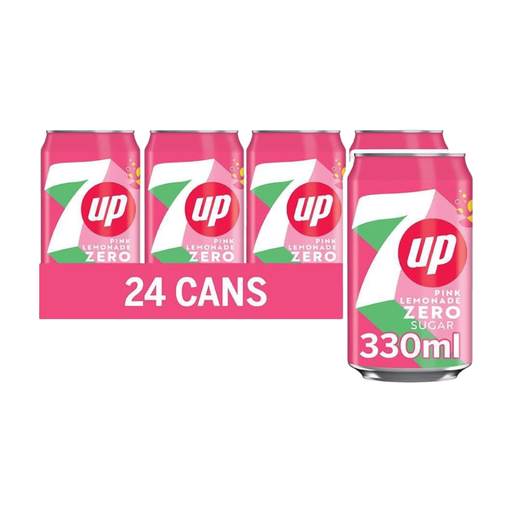
A non-cola lemonade option in individual cans for a shared brunch. Check the pack’s nutrition panel and ingredients if a guest needs a specific sugar or sweetener declaration.
 No image available
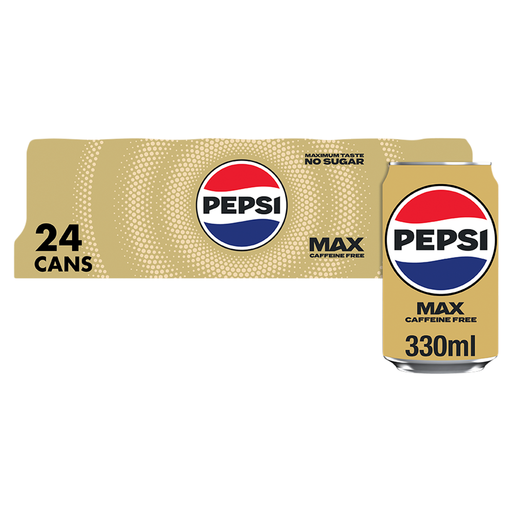
A caffeine-free cola variant for guests who want cola without caffeine. Pepsi UK lists 0g sugars per 100ml for Pepsi MAX No Caffeine; it also lists aspartame and a phenylalanine warning. Check the exact pack before serving.
 No image available
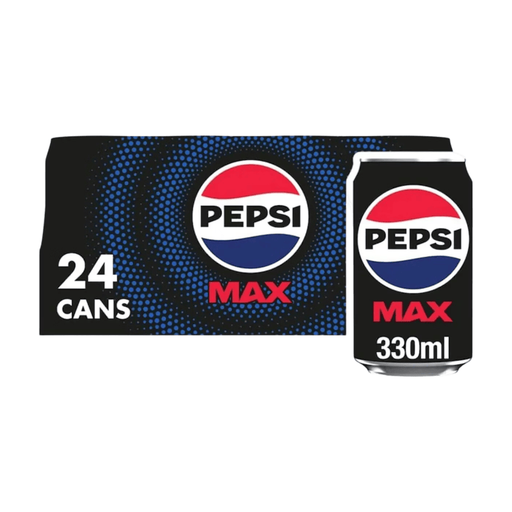
A cola option in individual cans. Pepsi UK lists 0g sugars per 100ml for standard Pepsi MAX, whose ingredients include caffeine and aspartame; check the pack if either matters to a guest.
 No image available
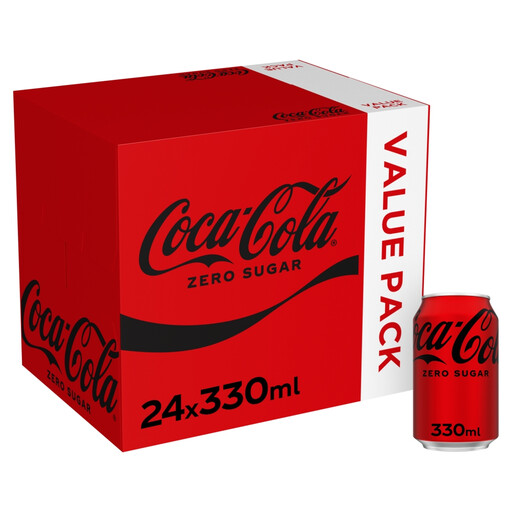
A cola choice in individual cans for the brunch table. Coca-Cola Great Britain lists 0g sugars per 100ml for this standard variant; it lists caffeine and aspartame, so choose the separately named caffeine-free variant if caffeine avoidance is needed.
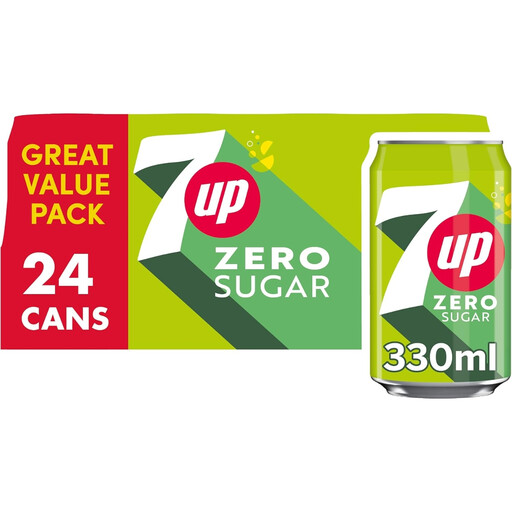 No image available
A non-cola choice in individual cans. Check the exact pack’s flavour, sugars per 100ml, caffeine information and sweeteners before serving guests with specific requirements.
No. Check total sugars per 100ml rather than treating front-of-pack wording as the nutrition value. Coca-Cola Great Britain lists 0.4g sugars per 100ml for the separately named Fanta Fruit Twist Zero, which contains fruit juice.
Choose an explicitly caffeine-free variant, such as Coca-Cola Zero Sugar Caffeine Free or Pepsi MAX No Caffeine. Coca-Cola Great Britain and Pepsi UK list caffeine in their respective standard zero-sugar colas; check the variant name on the pack.
Some zero-sugar drinks contain aspartame and carry a statement that they contain a source of phenylalanine. The NHS says aspartame is not suitable for people with PKU, so check the exact ingredients and warning and offer another suitable drink where needed.
Check the can count and volume, then read the exact drink’s ingredients, allergen information, nutrition panel and date marking. UK government food-labelling guidance identifies ingredients, allergens, quantity and date information as pack details; checking the drink itself also helps distinguish similarly named variants.