Hosts checking sugar content
If you want familiar fizzy-drink flavours without choosing solely by a front-of-pack claim, compare “of which sugars” per 100ml on each exact variant.


Choose individual zero-sugar cans if guests will serve themselves or want different flavours; choose a larger bottle if you have cups and expect to use it soon after opening. Check the sugars value per 100ml rather than relying on “no added sugar” alone, and check ingredients if a guest has phenylketonuria (PKU) or wants to avoid caffeine. Offer water alongside fizzy drinks: the NHS notes that carbonated drinks are associated with dental erosion regardless of their sugar content.
If you want familiar fizzy-drink flavours without choosing solely by a front-of-pack claim, compare “of which sugars” per 100ml on each exact variant.
A mix of cola and non-cola flavours gives guests a choice. Keep ingredient information available: some zero-sugar drinks list caffeine, while products containing aspartame carry a phenylalanine statement relevant to guests with PKU.
A large bottle can suit a shared drinks table if cups and pouring are practical. Check the chosen bottle’s instructions for storage and use after opening.
Decide how guests will serve themselves, then compare the exact drinks you are considering by nutrition panel, ingredients and flavour.
| Priority | What to check | Your needs |
|---|---|---|
| Sugars | Read “of which sugars” per 100ml on the exact pack. “No added sugar” describes what has been added; it does not, by itself, state the drink’s total sugars value. | I want to compare the drinks by their stated sugars content, not just by the wording on the front. |
| Ingredients | Check the sweeteners and any phenylalanine statement. The NHS says aspartame is not suitable for people with PKU. Check the ingredient list for caffeine where that matters to guests. | If someone has PKU or wants to avoid caffeine, I need the label for the particular drink I plan to serve. |
| Serving format | Compare can size and pack count with bottle size. For bottles, plan for cups and check the instructions after opening; Tesco advises consuming its No Added Sugar Cream Soda within three days of opening. | Guests may prefer to pick up their own cans, or I may have a drinks table where pouring from bottles is straightforward. |
| Flavour choice | Consider cola alongside lemon-and-lime or fruit-flavoured options. Check each variant separately rather than assuming a brand’s drinks share one formulation. | Not everyone wants cola, so a second flavour could be more useful than another pack of the same drink. |
| Drinks throughout the party | Provide water as another choice. The NHS notes that carbonated drinks are associated with dental erosion because of their acid content, whether or not they contain sugar. | For a long gathering, I do not want fizzy drinks to be the only thing available to drink. |
A no-added-sugar claim does not give the total sugars value of every drink bearing it.
Compare “of which sugars” per 100ml on the nutrition panel for each flavour and pack you choose.
The NHS associates carbonated drinks with dental erosion due to acid content, regardless of sugar or sweetener content.
Make water available alongside the party drinks, particularly if guests will be drinking over several hours.
Coca-Cola Zero Sugar, Pepsi MAX, Sprite Zero Sugar and Dr Pepper Zero list aspartame and a phenylalanine statement on their cited product pages. The cited Coca-Cola Zero Sugar, Pepsi MAX and Dr Pepper Zero formulations also list caffeine or caffeine flavouring.
Check the exact pack before serving a guest with PKU, and check caffeine information when choosing drinks for the guest list.
Shared bottles need cups and someone to pour or manage the drinks table. Instructions after opening vary by product.
Choose a bottle size you expect to use, and read its storage and after-opening instructions; use cans if individual self-service matters more.
Allow for cups and the possibility of drink left in an opened bottle.
These examples show differences worth checking on the pack; a brand’s inclusion here does not mean every drink in its range has the same ingredients.
Coca-Cola Zero Sugar is a cola option. Coca-Cola Great Britain lists 0g sugars per 100ml for this variant.
Pepsi UK lists 0g sugars per 100ml for Pepsi MAX and identifies a 330ml can as one serving.
Sprite Zero Sugar offers a lemon-and-lime flavour. Coca-Cola Great Britain lists 0g sugars per 100ml for this variant.
Tesco Groceries lists Fanta Zero Orange and Fanta Zero Fruit Twist can multipacks, as well as a 2-litre Fanta Zero Orange bottle.
Dr Pepper Zero is another flavoured option. Coca-Cola Great Britain lists 0g sugars per 100ml for this variant.
Tesco No Added Sugar Cream Soda comes in a 2-litre bottle; Tesco lists 0g sugars per 100ml for this product.
These Joybuy options include individual cans in cola, lemon-and-lime and apple flavours, plus a multipack of large cola bottles. Check each pack’s nutrition and ingredients against your guest list before choosing.
 No image available
Individual cola cans for self-service when you want a caffeine-free option. Check the pack’s sweeteners and phenylalanine statement before serving a guest with PKU.
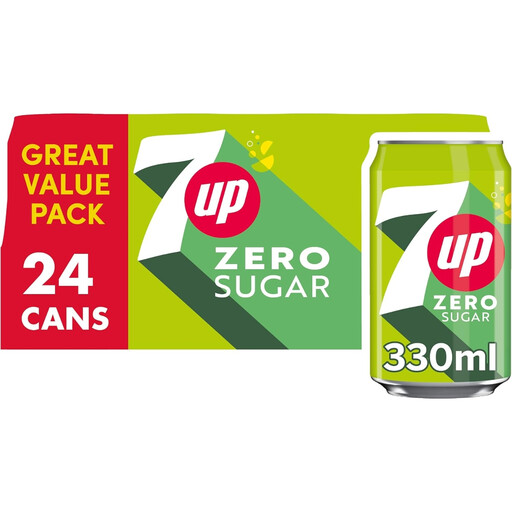 No image available
A lemon-and-lime alternative to cola in individual cans. Check the exact pack’s sugars value and ingredients, including its phenylalanine statement if a guest has PKU.
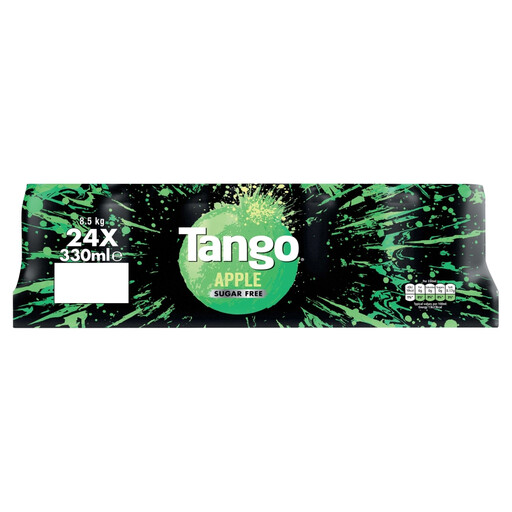 No image available
Individual apple-flavoured cans for guests who would rather not have cola or lemon-and-lime. Check the current pack’s nutrition panel and sweeteners for any ingredient restrictions.
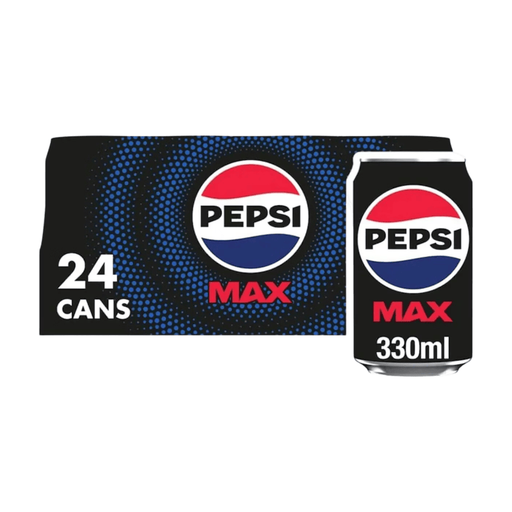 No image available
Individual cola servings for a self-service table. Confirm the can count on the product page before ordering, and check the pack for caffeine and its phenylalanine statement.
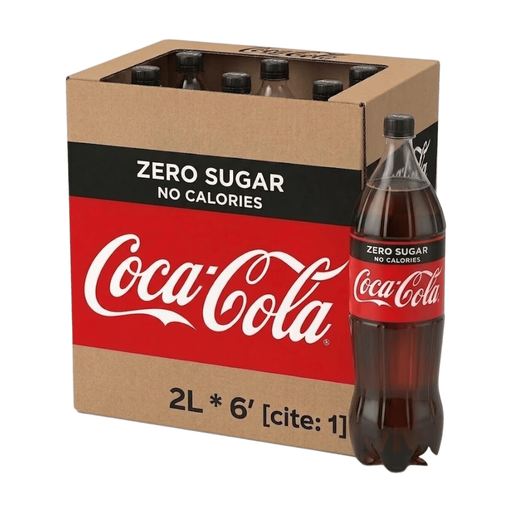 No image available
Large bottles for serving cola into cups rather than handing out cans. Plan for shared pouring and check the caffeine information against the guest list; the product description says this variant is not recommended for children, pregnant women or breastfeeding women.
No. “No added sugar” concerns ingredients added for sweetness, while the total sugars value is shown separately on the nutrition panel. Compare “of which sugars” per 100ml on the exact drink you intend to buy.
No. The NHS says carbonated drinks are associated with dental erosion because of their acid content, regardless of whether they contain sugar or sweeteners. Put water on the drinks table as well.
Check the exact pack for aspartame and a phenylalanine statement before serving it. The NHS says aspartame is not suitable for people with phenylketonuria (PKU); the cited pages for Coca-Cola Zero Sugar, Pepsi MAX, Sprite Zero Sugar and Dr Pepper Zero list aspartame.
Cans suit individual self-service and a choice of flavours. A large bottle suits a shared table if you have cups and expect to use the drink after opening; check that bottle’s instructions, as Tesco advises consuming its No Added Sugar Cream Soda within three days of opening.