
24/7 Customer Support

Free returns

Same-day & Next-day Delivery

Quality Guaranteed

Unlock Your Welcome Offers: FREE Delivery | Up to 80% OFF | Free 30-day JoyPlus trial
Download the APP
Choosing no added sugar fruit drinks can appear straightforward, but the front of a bottle or carton rarely tells the whole story. “No added sugar” does not automatically mean sugar-free, free from sweeteners or suitable for every child. The product may still contain naturally occurring sugars from fruit, while the flavour may come partly from sweeteners, concentrates or added flavourings.
For UK families comparing no added sugar squash, low-calorie fruit juice and lunchbox drinks, three common buying traps deserve attention.
Under UK food labelling rules, a no-added-sugar claim means that sugars have not been added as an ingredient. It does not necessarily mean the drink contains no sugar. Fruit juices and purées naturally contribute sugar, so check the nutrition panel for “of which sugars” per 100ml and per serving.
A drink described as sugar-free should meet a separate threshold, normally no more than 0.5g of sugars per 100ml. Always check the actual label rather than relying only on front-of-pack wording.
A fruit cordial or squash is concentrated and must be mixed with water. Its calorie and sugar figures may be listed per 100ml diluted, per 250ml serving or as an undiluted product. These figures are not directly interchangeable with a ready-to-drink fruit juice carton.
For a fair comparison, calculate the nutrition of the amount your household is likely to drink. Also check the recommended dilution instructions, especially when preparing drinks for younger children.
Many sugar-free drinks and no-added-sugar squashes use sweeteners such as sucralose, aspartame, saccharin or acesulfame K. This may help reduce energy content, but it is not the same as a recipe containing only fruit and water.
Some products also contain sulphites or a source of phenylalanine. Read the ingredients and allergen statement carefully if someone in your household has a relevant allergy or sensitivity. Packaging, ingredients and nutrition information can change, so verify the label before purchase.
The percentage of fruit juice or purée helps explain the drink’s character, but it does not alone determine whether it suits your needs. A squash with 10% fruit juice from concentrate is designed to be diluted, whereas a 100% NFC juice contains fruit juice without reconstituting from concentrate.
Consider the format:
Compare energy, carbohydrates and sugars using the serving size you will actually pour. Some low-calorie fruit juice options contain around 2–10 kcal per 100ml, while fruit drinks with more juice or purée may contain more naturally occurring sugar and energy.
Vitamin C can be a useful nutritional detail, but it should be treated as a product specification rather than a medical benefit. For example, several Ribena drinks list 32mg of vitamin C per 100ml. Check whether the figure applies to diluted or undiluted drink.
Unopened squash is generally convenient for cupboard storage, but opened bottles usually need refrigeration and consumption within a stated period. Ready-to-drink cartons and bottles may have shorter instructions once opened.
For children’s lunchbox drinks, check age warnings, cap or straw safety and whether the packaging can be resealed. Fruit Shoot and Capri-Sun products include warnings about small parts or straws and are not suitable for children under three. These details matter more than decorative packaging when choosing drinks for younger children.

Why This Fits Their Persona: A 1L bottle is a practical starting point for households wanting lemon flavour without buying a larger multipack.
The listing states that it is diluted before drinking and contains 10% lemon juice from concentrate, making the format clear.
Lists 2 kcal per 100ml diluted and includes storage guidance after opening.
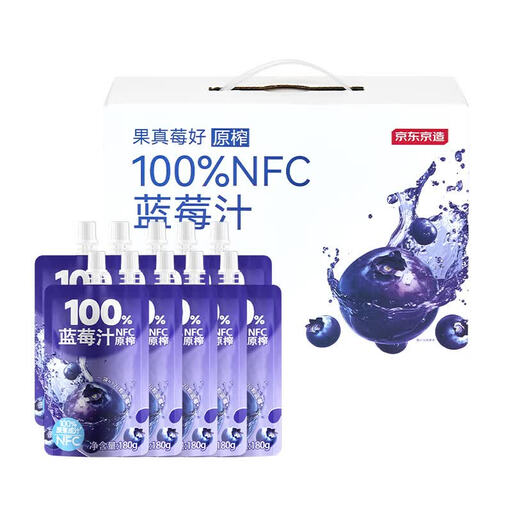
Why This Fits Their Persona: Suitable for shoppers seeking a ready-to-drink fruit juice made with blueberries as the listed ingredient.
It is identified as 100% NFC juice with no added sugar, rather than a diluted squash presented as juice.
Ten 180g pouches are ready to drink and easy to store away from direct sunlight.
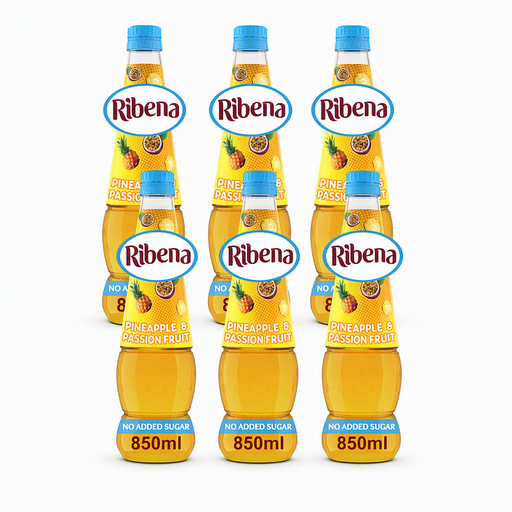
Why This Fits Their Persona: The six-bottle format suits larger households, regular family hydration and stocking up before picnics or gatherings.
The listing states the fruit content, dilution format and presence of sweeteners and sulphites, so key trade-offs are visible before buying.
Each bottle is 850ml, lists 2 kcal per 100ml undiluted and provides vitamin C information.
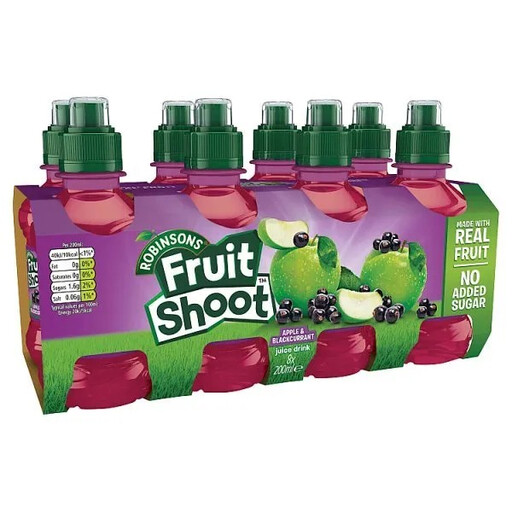
Why This Fits Their Persona: Eight 200ml bottles are sized for school bags, day trips and portion-controlled serving occasions.
The listing gives the bottle size, sugar content and age warning, helping parents check suitability rather than choosing by packaging alone.
Lists 4 kcal and 0.7g sugars per 100ml, with no artificial colours or preservatives stated in the product information.
We have compiled a complete, real-time list of products that fully satisfy these strict selection criteria and UK safety regulations.
Suitability depends on the product, age guidance, ingredients and serving size. Some drinks contain sweeteners, sulphites or a source of phenylalanine. Follow the label instructions, dilute squash correctly and check warnings for children under three. Water and milk may also be appropriate everyday options depending on the child’s normal diet.
Squash usually provides more servings from one bottle, making it practical for family drinks. Ready-to-drink cartons and bottles cost more per serving but remove preparation and are convenient for lunchboxes or travel. Compare the number of prepared servings, not just the shelf price.
The period varies by product. Some squashes advise refrigeration and use within several weeks, while small ready-to-drink bottles may need consuming within a few days. Follow the storage instructions on the specific packaging, keep opened products chilled where stated and avoid drinking squash undiluted.