
24/7 Customer Support

Free returns

Same-day & Next-day Delivery

Quality Guaranteed

Unlock Your Welcome Offers: FREE Delivery | Up to 80% OFF | Free 30-day JoyPlus trial
Download the APP
Choosing a no added sugar fruit squash should be simple: select a flavour, dilute it with water and enjoy. However, UK shoppers can easily buy a product that does not suit their household, dietary requirements or drinking habits. Bottle size, sweeteners, fruit content and serving guidance can all affect value and usability.
This guide explains what to check before buying, then matches several options to different household needs.
“No added sugar” means that manufacturers have not added sugar during production. The drink may still contain naturally occurring sugars from fruit or juice concentrate. A sugar-free squash or zero-sugar product may show negligible sugar in its nutrition panel, but the wording and nutritional values can vary between products.
Always check the nutrition information per 100ml as diluted where available. This gives a more useful comparison than looking only at the concentrated liquid.
Some labels list nutrition for undiluted concentrate, while others show values for a prepared drink. For example, Robinsons No Added Sugar Orange Squash lists 3 calories per 250ml diluted glass, while Robinsons Fruit & Barley Pink Grapefruit lists 2 calories per 250ml diluted serving when prepared at the stated ratio.
A product showing “zero calories” on the front may use rounded figures. Read the full nutrition table and follow the recommended dilution before comparing products.
A fruit cordial can contain sweeteners such as aspartame, acesulfame K, sucralose or saccharin. Some products also contain sulphites, barley or a source of phenylalanine. These details matter for allergy management and dietary choices.
Check the latest packaging before purchase, particularly if buying for children, pregnant family members or anyone with a known intolerance. Squash should not be consumed undiluted, and product-specific age guidance should be followed.
Most concentrated fruit drinks are intended to be diluted with water. A common instruction is one part squash to four parts water, although the exact ratio can vary according to taste and brand guidance.
A 1L bottle prepared at a 1:4 ratio can make approximately 5L of drink. This makes a standard bottle practical for everyday family drinks, while a squash multipack may be more suitable for households that regularly serve cordial at meals, during school holidays or at social gatherings.
Fruit percentage can help distinguish products with a sharper, fruit-led taste from drinks that rely more heavily on flavourings and sweeteners. Examples in this range include:
Fruit content is not a complete measure of flavour quality, so consider the ingredient list alongside the nutrition panel.
Vegetarians and vegans should look for the relevant product statement rather than assuming every UK fruit juice drink is suitable. Also review bold allergen information. The listed options include products containing sulphites, while the pink grapefruit Fruit & Barley drink contains barley and is therefore unsuitable for people avoiding gluten-containing cereals.
After opening, storage periods vary. Several Robinsons bottles advise refrigeration and consumption within four weeks, while Ribena tropical squash products advise using within 21 days. Ready-to-drink cartons and bottles may have shorter periods after opening. Follow the label on the specific pack you receive.

Why This Fits Their Persona: A familiar 1L format offers a straightforward way to try an orange squash without committing to a larger multipack.
The label states 3 calories per 250ml diluted glass, making the serving basis clear. It also identifies naturally occurring fruit sugars and sweeteners.
10% orange fruit from concentrate; suitable for vegans and vegetarians; refrigerated storage after opening.
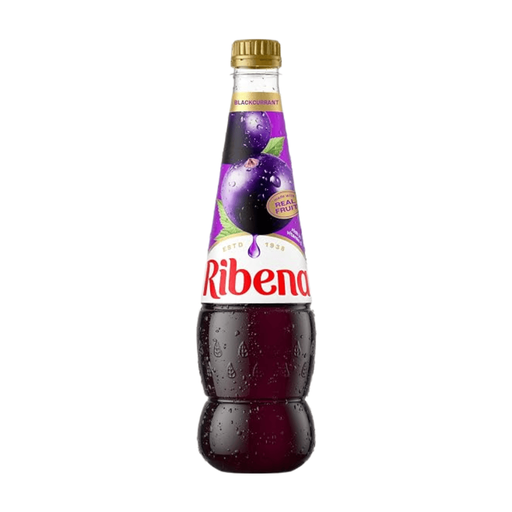
Why This Fits Their Persona: Suitable for shoppers seeking a recognisable blackcurrant flavour and a higher stated fruit percentage in a compact bottle.
The product specifies 18% blackcurrant juice from concentrate and gives a clear 1:4 dilution instruction. It also flags sulphites and phenylalanine.
No added sugar; 32mg vitamin C per 100ml listed; 850ml bottle made from 100% recycled plastic according to the product information.
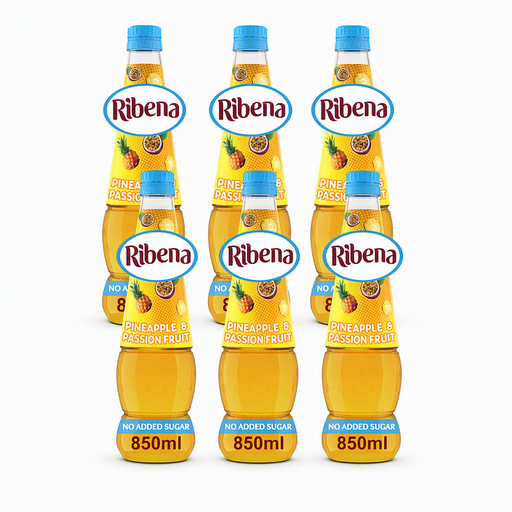
Why This Fits Their Persona: A six-bottle format suits larger UK households, regular squash drinkers and anyone planning ahead for packed lunches, picnics or family gatherings.
The pack size reduces the risk of running out quickly, while each bottle remains smaller than a 1L format. Check cupboard and fridge space before ordering six.
10% pineapple and passion fruit juices from concentrate; no added sugar; 32mg vitamin C per 100ml; bottles are listed as made from 100% recycled plastic.
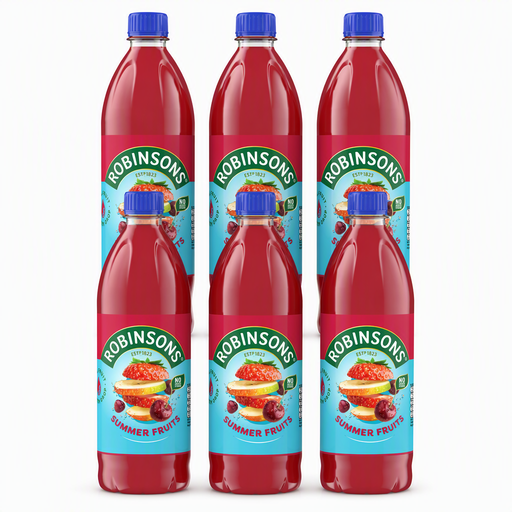
Why This Fits Their Persona: This six-bottle selection is designed for households that prefer a berry-style drink and use squash frequently throughout the week.
The stated 2 calories per 100ml diluted serving helps shoppers compare it with sugary soft drinks on a consistent basis. Sulphites and sweeteners are disclosed.
Apple, strawberry, raspberry and cherry juice blend; natural colours and flavourings listed; six 1L bottles for regular family use.
A single 850ml or 1L bottle is sensible when you are trying a new flavour, have limited storage or do not drink squash every day. A larger pack can reduce repeat ordering and suit busy families, but only if the household will use the bottles before the recommended post-opening period.
For school lunches and days out, ready-to-drink cartons or smaller bottles can be more convenient than carrying diluted drink in a separate container. Ribena Strawberry No Added Sugar Cartons, supplied as 24 x 250ml, are portioned for individual use. For home hydration, concentrated squash generally creates more prepared drink per purchase.
Remember that no added sugar does not automatically mean unlimited consumption. Water remains a useful everyday drink, while squash can add flavour for meals and other occasions. Parents should follow the age, dilution and safety instructions shown on the packaging.
We have compiled a complete, real-time list of products that fully satisfy these strict selection criteria and UK safety regulations.
Suitability depends on the individual product. Some bottles state that they are not suitable for children under 36 months or recommend extra dilution for toddlers. Sweeteners, sulphites and phenylalanine warnings should also be checked. Never serve concentrated squash undiluted.
It can. Many diluted products contain around 1–5 calories per 100ml or 250ml serving, depending on the formulation and serving size. Always compare the nutrition panel on the prepared drink rather than relying only on front-of-pack wording.
The period varies by product. The listed Robinsons squashes commonly advise refrigeration and use within four weeks, while the listed Ribena squashes advise consumption within 21 days. Check the bottle or carton you receive, keep it chilled where instructed and use the packaging date as the final reference.