
24/7 Customer Support

Free returns

Same-day & Next-day Delivery

Quality Guaranteed

Unlock Your Welcome Offers: FREE Delivery | Up to 80% OFF | Free 30-day JoyPlus trial
Download the APP
Choosing a no added sugar fruit squash can seem straightforward, but front-of-pack wording does not always tell the whole story. A bottle may contain no added sugar while still including naturally occurring fruit sugars, sweeteners, preservatives or allergens. Serving size can also make calorie comparisons misleading.
For UK households, the right choice usually comes down to flavour, dilution, storage, ingredients and overall value. Whether you are comparing Ribena squash, Robinsons squash, a low-calorie squash or a bulk squash multipack, these checks can help avoid disappointing purchases.
“No added sugar” means that manufacturers have not added sugar as an ingredient. It does not necessarily mean that the drink contains no sugar at all. Fruit juice from concentrate can contribute naturally occurring sugars.
Some products are sweetened with ingredients such as aspartame, acesulfame K, sucralose or saccharin. These can help keep energy values low, but they may not suit every household. Always read the ingredients and allergen information, particularly where the label states that the product contains a source of phenylalanine.
A concentrated fruit drink may show nutrition information per 100ml undiluted, while another label may show values for a prepared serving. These figures are not directly comparable.
Check whether the label refers to:
For example, some Robinsons products list only a few calories per 250ml diluted glass, while Ribena concentrates may show approximately 2 kcal per 100ml undiluted. The figures reflect different formats, so compare like with like.
A 1L or 1.5L bottle can offer good household value, but it needs suitable refrigerator space after opening. Many concentrated drinks recommend refrigeration and consumption within a specified period. Individual cartons or smaller bottles may be more practical for packed lunches, picnics or households where drinks are consumed less frequently.
Choose the flavour according to how the drink will be used. Blackcurrant squash is a familiar option for everyday family drinks, while lemon squash suits shoppers who prefer a sharper citrus taste. Summer fruits squash, orange and tropical fruit squash offer sweeter, mixed-fruit profiles.
Look at the fruit percentage rather than relying only on flavour imagery. Examples in this range include 10% fruit juice from concentrate in several pineapple, passion fruit, orange and lemon products, while one Ribena blackcurrant concentrate lists 18% blackcurrant juice from concentrate.
A low-calorie squash can reduce the energy content of a diluted drink compared with a sugar-sweetened cordial. However, low calorie does not automatically mean suitable for everyone. Check the sweetener combination, naturally occurring sugars and any usage warnings.
For children, follow the label instructions carefully. Some products advise extra dilution for toddlers, while others are not suitable for children under 36 months. Squash should be diluted before drinking and should not replace plain water as the main everyday drink.
Ingredient lists may include sulphites, which must be declared where applicable. Fruit and barley varieties can also contain barley, making them unsuitable for people avoiding gluten or barley. Some products are suitable for vegans or vegetarians, but this should be confirmed on the individual label.
Packaging, ingredients and formulations can change, so check the product information at the point of purchase, especially for allergy-related requirements.

Why This Fits Their Persona: A familiar orange flavour in a practical 1L bottle suits households starting to replace sugar-sweetened drinks without committing to a large multipack.
The label states no added sugar and gives a clear diluted serving value of 3 calories per 250ml glass, helping shoppers compare prepared drinks.
Contains 10% orange fruit from concentrate; suitable for vegans and vegetarians according to the supplied product information.

Why This Fits Their Persona: Shoppers wanting a distinctive fruit juice squash can choose a tropical pineapple and passion fruit blend rather than a standard single-fruit cordial.
The product information specifies 10% fruit juice from concentrate and gives nutrition per 100ml undiluted, reducing ambiguity about what is being measured.
Listed at 2 kcal per 100ml undiluted, with vitamin C and a bottle made from 100% recycled plastic according to the supplied details.
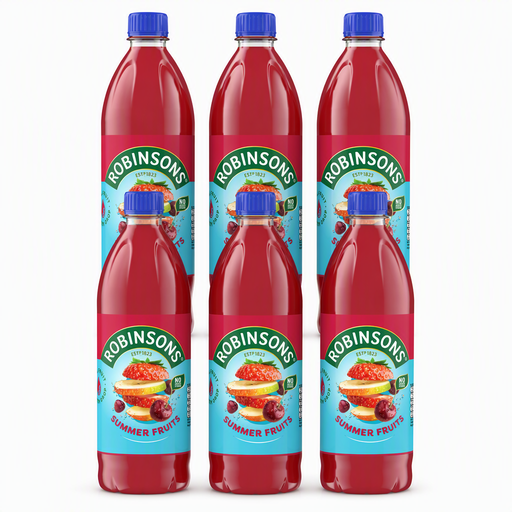
Why This Fits Their Persona: A six-bottle case is suited to larger families, frequent drinkers and shoppers planning household supplies or gatherings.
The multipack format makes the total quantity clear, while the product information specifies 2 kcal per 100ml diluted and a 1L bottle size.
Includes apple, strawberry, raspberry and cherry juices from concentrate; the case can reduce repeat shopping for everyday family drinks.
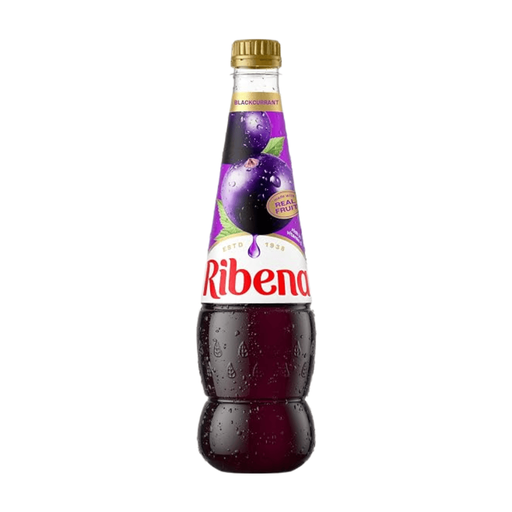
Why This Fits Their Persona: This is a practical choice for households that prefer a recognisable blackcurrant flavour for meals, packed lunches and chilled drinks.
The recommended preparation is clearly stated as one part squash to at least four parts water, helping users avoid drinking the concentrate undiluted.
Contains 18% blackcurrant juice from concentrate and lists vitamin C; the 850ml format is manageable for regular home use.
We have compiled a complete, real-time list of products that fully satisfy these strict selection criteria and UK safety regulations.
It can be included as part of a varied diet, but check the age guidance, sweeteners and dilution instructions on the specific product. Some bottles advise extra water for toddlers or exclude children under 36 months. Plain water remains a suitable everyday hydration option.
Storage guidance varies. Several concentrated products recommend refrigeration after opening and use within around three to four weeks, while smaller ready-to-drink products may need consuming within a few days or on the day of opening. Follow the bottle or carton rather than relying on a general rule.
A bulk squash multipack may offer a lower price per litre, but calculate the unit cost and consider storage space, best-before dates and household consumption. A multipack is most practical when the flavour is already familiar and the bottles will be used within the stated storage period.