
24/7 Customer Support

Free returns

Same-day & Next-day Delivery

Quality Guaranteed

Unlock Your Welcome Offers: FREE Delivery | Up to 80% OFF | Free 30-day JoyPlus trial
Download the APP
For many UK households, a bottle of fruit squash is a kitchen staple. It’s a simple way to make hydration more interesting for the whole family. However, navigating the drinks aisle can be tricky. With labels promising "real fruit" and "natural goodness," it's easy to end up with a product that doesn't quite match your expectations for a healthier, flavourful drink.
As the Joybuy Product Recommendation Officer, my role is to help you see past the marketing jargon. Before you make your next purchase, let’s look at a couple of common pitfalls that can lead to disappointment and how to sidestep them to find a quality no added sugar fruit squash that your family will genuinely enjoy.
To ensure you're getting a refreshing and economical dilutable juice, focus on these two core parameters before you buy.
This is the most direct indicator of quality. Look for the percentage of fruit juice from concentrate on the ingredients list. A higher percentage generally means a richer, more authentic fruit flavour. While you're there, note the sweeteners used. Most sugar free cordial options use sweeteners like Aspartame, Sucralose or Acesulfame K to achieve a sweet taste without the calories. This is standard practice, but some people have personal preferences.
Ignore the figures for the concentrate and look straight for the "per 100ml diluted" or "per 250ml serving" information. This tells you exactly what you're consuming in a typical glass. Pay attention to:
By checking these details, you can confidently choose a family squash drink that aligns with your household's health and taste preferences.
Instead of a generic list, we've matched some popular choices to different household needs. This helps you find a product that not only tastes great but also fits your lifestyle.
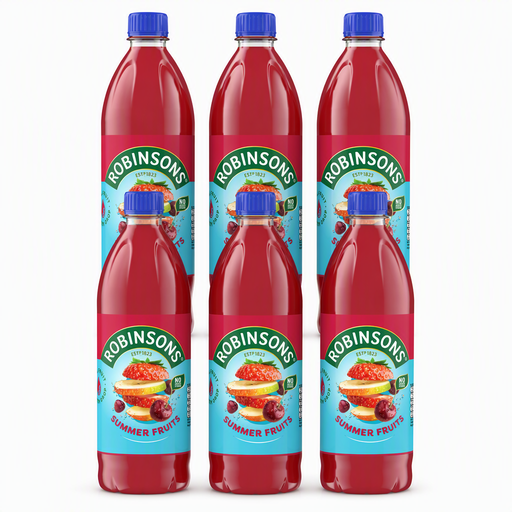
Why This Fits Their Persona: This is the quintessential family squash drink. The summer fruits squash flavour is a crowd-pleaser, and the bulk buy squash format offers excellent value and convenience, reducing trips to the shop. It's a reliable choice for keeping everyone hydrated.
It avoids the "real fruit illusion" by clearly stating it contains 10% fruit juices from concentrate (apple, strawberry, raspberry and cherry). The nutritional information is transparent, showing just 5 kcal per 250ml serving.
Great value in a multi-pack format. Made with natural colours and flavourings and a taste that is familiar and loved by both children and adults.
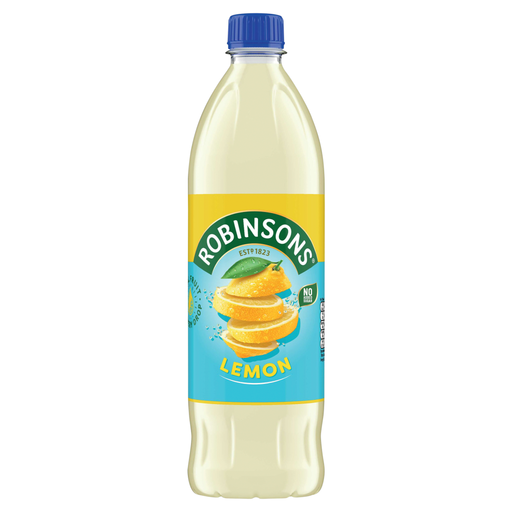
Why This Fits Their Persona: For those who appreciate a classic, no-fuss flavour. This lemon squash is perfect for adding a sharp, citrusy tang to water without any complex or overly sweet notes. It's an ideal choice for adults seeking simple, refreshing hydration.
This product is straightforward. The label highlights 10% lemon juice from concentrate, so you know exactly what you're getting. It directly counters the "low sugar" confusion with a clear 0g of sugars and just 3 kcal per 100ml diluted.
Delivers an authentic, zesty lemon flavour. It is an extremely low calorie squash, making it a great choice for daily hydration without impacting dietary goals.

Why This Fits Their Persona: For those bored of standard flavours, this Ribena no added sugar option provides a vibrant, tropical escape. The blend of pineapple and passion fruit is refreshing and feels a little more special than everyday squash.
It provides clear information, stating it's made with 10% fruit juices from concentrate and is rich in Vitamin C. The "no added sugar" claim is backed by just 2 kcal and 0.2g of sugar per 100ml of undiluted squash.
Offers a delicious tropical flavour profile while being rich in Vitamin C. The bottles are also made from 100% recycled plastic, a plus for environmentally conscious shoppers.
We have compiled a complete, real-time list of products that fully satisfy these strict selection criteria and UK safety regulations.
This is a great question that often causes confusion. 'No added sugar' means the manufacturer has not added any sugars like sucrose to the product. It will, however, contain small amounts of naturally occurring sugars from the fruit juice itself. 'Sugar-free' is a stronger claim, typically meaning the product contains a negligible or zero amount of any type of sugar, whether added or natural. Always check the nutritional label for the "of which sugars" value for clarity.
Once opened, it's recommended to store your squash in the refrigerator to maintain its freshness and flavour. Most manufacturers, including Robinsons and Ribena, advise consuming the product within 3 to 4 weeks of opening. You can usually find the specific storage advice printed on the bottle's label or cap.
Many families use squash as a way to encourage young children to drink more water. While no added sugar options are preferable to sugary drinks, it is important to serve it correctly. As noted on some product labels, it is always recommended to add extra water when preparing the drink for toddlers and young children to ensure it is highly diluted. If you have any concerns, it is always best to consult with a healthcare professional.