Car boot sellers serving customers
If drinks will be sold at an outdoor stall, compare storage instructions as well as ingredients and sugars. Check with the local authority whether the activity requires food-business registration.


For a car boot sale without chilled storage, an unopened no-added-sugar apple juice drink with cool, dry storage instructions is an option if its sweeteners and juice content suit you; no added sugar does not mean sugar-free. Choose 100% apple juice if you prefer the ingredients of a particular bottle and can keep it refrigerated, but compare sugars per serving. If you are selling drinks as a food business rather than sharing them privately, check registration requirements with your local authority before trading.
If drinks will be sold at an outdoor stall, compare storage instructions as well as ingredients and sugars. Check with the local authority whether the activity requires food-business registration.
A no-added-sugar claim may suit your preference, but check whether the carton is a juice drink containing sweeteners or a 100% juice with naturally occurring sugars.
Read the ingredient list rather than relying on the front-of-pack claim. The Sainsbury's and Growers Harvest juice drinks described here contain sweeteners; the innocent juice lists pressed apples and ascorbic acid.
Start with the storage conditions at the stall, then compare ingredients and sugars for the amount you expect to serve.
Consider it: When unopened cartons need to be kept in a cool, dry place rather than refrigerated.
Trade-off: The Sainsbury's and Growers Harvest examples contain sweeteners and are not 100% apple juice.
Consider it: When the ingredients of a particular 100% juice appeal to you and you can keep it chilled throughout the event.
Trade-off: The innocent example requires refrigeration even before opening and lists more sugars per 150ml than either named juice drink.
| Priority | What to check | Your needs |
|---|---|---|
| Sugars per serving | Compare the nutrition panel per 100ml and for the amount served. Sainsbury's lists 3.9g sugars per 150ml for its apple-and-pear juice drink; its listing for innocent Pure Apple Juice gives 14g per 150ml. | I want to know how much sugar is in the glass, not just whether sugar was added. The NHS says sugars in unsweetened fruit juice count as free sugars. |
| Ingredients | Check juice content and sweeteners: Sainsbury's lists 20% apple and 5% pear juice with acesulfame K and sucralose; Tesco lists 50% apple juice and sucralose for Growers Harvest. Sainsbury's lists pressed apples and ascorbic acid for innocent. | If I prefer 100% juice or want to avoid sweeteners, the full ingredient list matters more than the words ‘no added sugar’ alone. |
| Stall storage | Check instructions both before and after opening. Sainsbury's says its unopened juice drink can be kept in a cool, dry place; its innocent juice must be refrigerated at 0–8°C. | Will I have cold storage for the drinks throughout the event, including any opened containers? |
The named no-added-sugar products still list sugars. Sainsbury's gives 3.9g per 150ml for its juice drink and 14g per 150ml for innocent Pure Apple Juice.
Compare the nutrition panel for the portion you plan to serve, alongside the front-of-pack claim.
The Sainsbury's and Growers Harvest examples contain water, juice from concentrate and sweeteners rather than being 100% apple juice.
Check the juice percentage and ingredient list if fruit content or avoiding sweeteners affects your choice.
Sainsbury's says innocent Pure Apple Juice must be kept at 0–8°C, including before opening. Its long-life juice drink can instead be stored in a cool, dry place while unopened.
Follow the chosen product's instructions throughout the event and after opening.
A juice that requires refrigeration may also mean bringing a cool box and ice packs.
GOV.UK food-business guidance includes businesses selling food or drink from temporary premises in its registration requirement. Whether a particular arrangement counts as a food business is a separate question from private sharing.
If you will operate a food business, the guidance says to register with the local authority at least 28 days before trading. Ask the authority if you are unsure how your activity is classified.
These examples illustrate different product labels and formats; a retailer's range does not establish the ingredients of every bottle or carton it sells.
Its Apple & Pear Juice Drink, No Added Sugar is a long-life 1L carton.
Tesco lists a 1L no-added-sugar apple juice drink designed for cool, dry storage before opening.
Its 900ml Pure Apple Juice is a chilled, not-from-concentrate alternative to the named juice drinks.
Tesco's apple-juice categories include long-life juice drinks and chilled apple juices.
Its apple-juice category offers a no-added-sugar filter and several pack sizes.
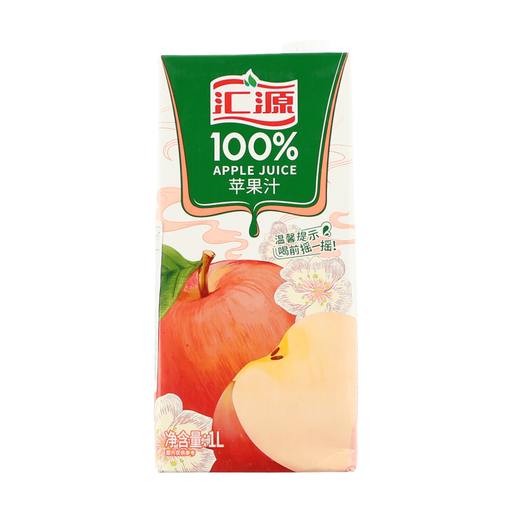
This 1L apple juice is an option to inspect if you want to check a no-added-sugar listing for your car boot sale refreshments.
 No image available
The listing describes this apple juice as having no added sugar. For stall service, check the pack's ingredient and nutrition panels, including sugars for your intended serving, and follow its storage instructions after opening.
No. Sainsbury's lists 3.9g sugars per 150ml for its no-added-sugar apple-and-pear juice drink, while its listing for innocent Pure Apple Juice gives 14g per 150ml. Check total sugars on the nutrition panel rather than treating the claim as a zero-sugar statement.
Choose a particular 100% juice if its ingredients suit you and you can meet its storage instructions. Sainsbury's says innocent Pure Apple Juice must stay refrigerated at 0–8°C; its unopened long-life apple-and-pear juice drink can be kept in a cool, dry place but contains sweeteners.
Compare the sugars for the amount you intend to pour. NHS guidance uses 150ml as its daily limit for fruit juice and smoothies combined and says sugars in unsweetened fruit juice count as free sugars; product nutrition panels may show both per-100ml and per-serving values.
If you are operating a food business, GOV.UK guidance says registration with the local authority applies to businesses selling food or drink from temporary premises and must take place at least 28 days before trading. Ask the authority if you are unsure whether your planned activity is a food business; private sharing is not automatically the same as trading.