Hosts pouring drinks for a group
A shared bottle lets guests pour between rounds. Check its volume against the number of players, and plan for any lemonade left after opening.


Choose a shared bottle when guests will pour drinks into glasses and you can refrigerate what remains; choose cans when separate portions are easier to hand around the table. ‘No added sugar’ does not mean zero sugars or no sweeteners, so compare the nutrition panel and ingredients before serving guests with particular ingredient needs. Lemon-and-lime drinks offer another flavour option, but they are not the same as cloudy lemonade.
A shared bottle lets guests pour between rounds. Check its volume against the number of players, and plan for any lemonade left after opening.
Cans give each player a separate portion without pouring from a bottle at the game table. Check both the can size and the number of cans in the pack.
A no-added-sugar label is not a substitute for the ingredients list. Check the exact drink for sweeteners, including aspartame, and for sulphites when those ingredients matter to a guest.
Start with how drinks will be served, then compare the exact pack labels for sugars, ingredients and storage instructions.
| Priority | What to check | Your needs |
|---|---|---|
| Serving format | Compare bottle volume with the number of glasses you expect to pour. For cans, check the can size and pack count; Sainsbury’s lists its Diet Cloudy Lemonade as six 330ml cans. | I would rather hand out a can to each player than keep pouring drinks during a game. For a group sharing glasses, a bottle may make more sense. |
| Sugars and sweeteners | Read sugars per 100ml and per serving alongside the ingredients. Sainsbury’s lists 0.8g sugars per can for its no-added-sugar Diet Cloudy Lemonade; Waitrose & Partners lists 0g per 100ml for R.White’s Diet Lemonade. | ‘No added sugar’ is important to me, but I also want to know whether the drink contains any listed sugars or sweeteners. |
| Aspartame and PKU | Check the exact ingredients and any phenylalanine warning. Waitrose & Partners lists aspartame in R.White’s Diet Lemonade, and Tesco lists it in Sprite Zero Sugar; the NHS says aspartame is unsuitable for people with phenylketonuria (PKU). | If a guest has PKU, I need to check the bottle or can before offering them a drink, even when its label says zero sugar. |
| Sulphites | Check the ingredients and allergen information on the exact product rather than assuming every cloudy lemonade has the same recipe. The Food Standards Agency identifies sulphur dioxide and sulphites as a concern for people who are sensitive to them. | Someone at the table needs to avoid sulphites, so I want the pack available for them to check. |
| Leftovers | Read the opened-bottle instructions before choosing a large pack. Sainsbury’s Cloudy Lemonade No Added Sugar 2L and M&S Diet Cloudy Lemonade both say to refrigerate after opening and use within three days. | A smaller bottle or separate cans may suit our group if we are unlikely to finish a large opened bottle. |
| Flavour and acidity | Check whether the drink is lemon lemonade, cloudy lemonade or lemon-and-lime. The NHS notes that carbonated drinks are associated with dental erosion because of their acid content; a zero-sugar label does not address that distinction. | We want lemonade rather than lemon-and-lime, and I do not want to treat zero sugar as a claim that a fizzy drink is neutral for teeth. |
A drink can carry a no-added-sugar description and still list sugars and sweeteners. Sainsbury’s lists 0.8g sugars per can for its Diet Cloudy Lemonade.
Compare the sugars figures per 100ml and per serving, then read the ingredients list.
The NHS says aspartame is unsuitable for people with phenylketonuria. Waitrose & Partners lists aspartame in R.White’s Diet Lemonade, and Tesco lists it in Sprite Zero Sugar.
Keep the exact pack available so guests can check its ingredients and phenylalanine warning.
The NHS associates carbonated drinks with dental erosion because of their acid content. Sugar content does not settle that separate question.
Compare sugars for the sugar-related choice without treating the label as a claim about teeth.
Sainsbury’s Cloudy Lemonade No Added Sugar 2L and M&S Diet Cloudy Lemonade instruct shoppers to refrigerate the bottle after opening and use it within three days.
Estimate how much the group will drink, then choose a bottle size or individually portioned cans accordingly.
These examples illustrate formats and label details to compare; the information applies to the named drinks, not every product from each brand or retailer.
Sainsbury’s lists no-added-sugar cloudy lemonade in a 2L bottle and Diet Cloudy Lemonade in six 330ml cans.
R.White’s Diet Lemonade is a lemon-flavour option in a 2L bottle.
M&S describes its Diet Cloudy Lemonade as having no added sugar.
Tesco lists a No Added Sugar Cloudy Lemonade 2L bottle among its fizzy drinks.
Sprite Zero Sugar is a lemon-and-lime alternative to traditional lemonade.
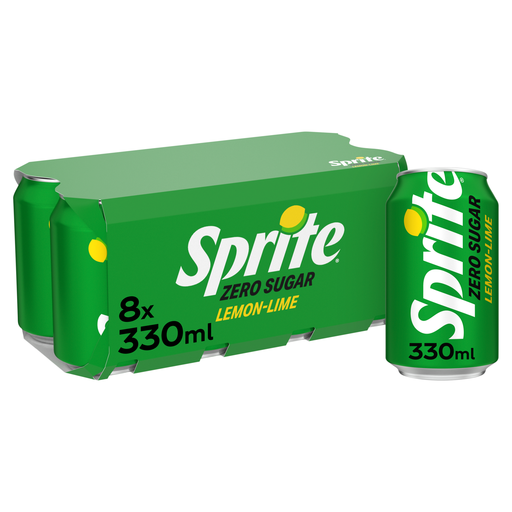
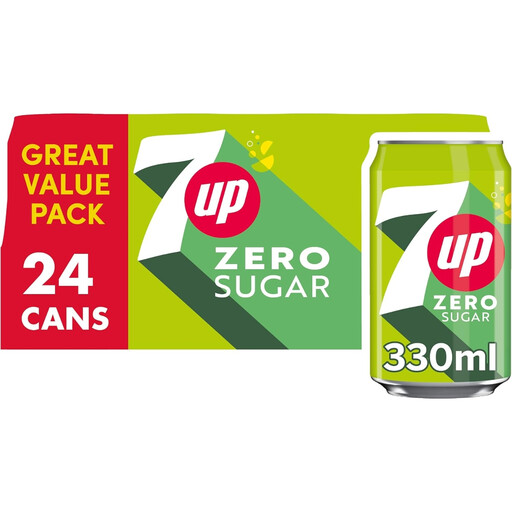
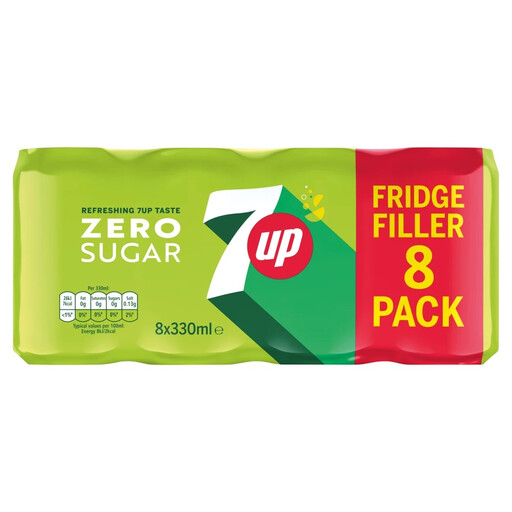
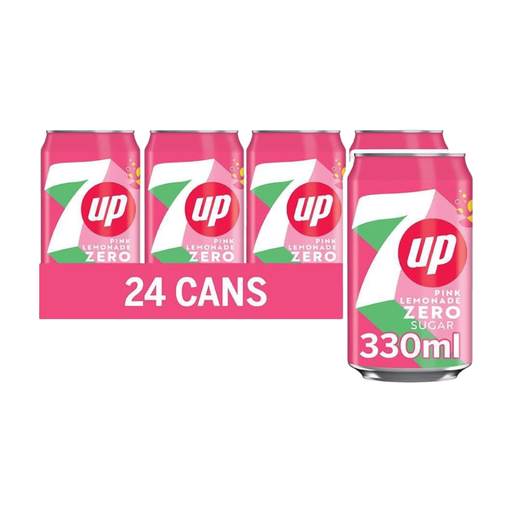
These canned options cover zero-sugar lemon-and-lime drinks, a pink-lemonade-labelled drink and a lemon soda. Check the flavour and pack quantity against what your group expects from lemonade.
 No image available
Eight 330ml cans offer separate portions for players. This is a lemon-and-lime drink rather than traditional lemonade; check the ingredients for aspartame before serving anyone with PKU.
 No image available
The 24-can pack suits a group wanting individual 330ml portions. It is lemon-and-lime flavoured rather than traditional lemonade; check the ingredients for aspartame if a guest has PKU.
 No image available
Eight 330ml cans provide individual portions without opening a shared bottle. This is a lemon-and-lime option; check the ingredients for aspartame before offering it to a guest with PKU.
 No image available
The description identifies a pink-lemonade flavour and 330ml cans. The title says 24 cans but the description says eight, so confirm the actual pack count before planning drinks for the group. Check the ingredients for aspartame if a guest has PKU.
 No image available
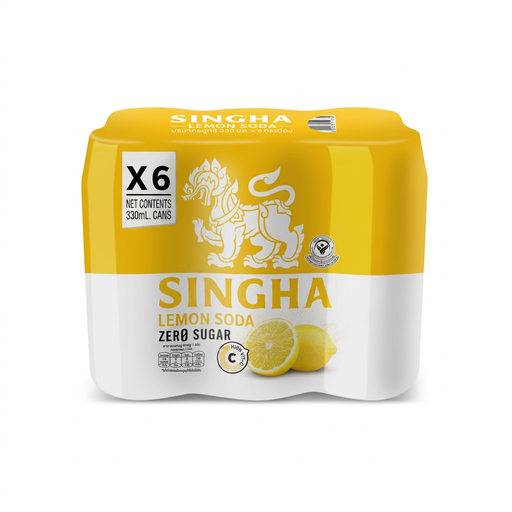
Six 330ml cans provide separate drinks for a smaller group. It is described as lemon soda, so do not assume it has the same flavour as traditional lemonade.
No. A no-added-sugar drink can still list sugars in its nutrition information. Sainsbury’s lists 0.8g sugars per can for its Diet Cloudy Lemonade, which it describes as having no added sugar. Check the figures per 100ml and per serving on the pack.
Check the exact drink for aspartame and a phenylalanine warning before serving it. The NHS says aspartame is unsuitable for people with PKU; Waitrose & Partners lists it in R.White’s Diet Lemonade, while Tesco lists it in Sprite Zero Sugar.
Ingredients can differ between drinks, so check the exact pack when someone is sensitive to sulphites. The Food Standards Agency identifies sulphur dioxide and sulphites as a possible risk for people with sensitivity.
Follow that bottle’s instructions. Sainsbury’s Cloudy Lemonade No Added Sugar 2L and M&S Diet Cloudy Lemonade say to refrigerate after opening and use within three days; do not assume the same timing applies to every drink.
No. The NHS associates carbonated drinks with dental erosion because of their acid content. A zero-sugar label describes sugar content, not whether the drink is neutral for teeth.