Households sharing drinks through the week
A larger bottle may suit several servings, provided you can follow its after-opening instructions. Cans give each person a separate portion without opening the whole multipack.


For a weekly shop, choose an explicitly labelled no-added-sugar lemonade if you want a traditional lemonade style; a 2-litre bottle makes sense when the household will use it within the label’s after-opening period. A zero-sugar lemon-lime drink is a different flavour choice, while cans offer separate portions. Whichever format you choose, compare the sugars-per-100ml figure and check the ingredients for sweeteners that matter to your household.
A larger bottle may suit several servings, provided you can follow its after-opening instructions. Cans give each person a separate portion without opening the whole multipack.
Look for the exact no-added-sugar or zero-sugar wording, then read the sugars figure on the nutrition panel. The front-of-pack claim does not replace that check.
Read the ingredients on the particular drink you intend to buy. This is especially important if someone has phenylketonuria (PKU): the NHS says aspartame is not suitable for people with PKU.
Start with the drink style and pack format, then use the current label to check sugar content, ingredients and storage instructions.
| Priority | What to check | Your needs |
|---|---|---|
| Sugar labelling | Read the exact no-added-sugar, diet or zero-sugar wording. Compare sugars per 100ml on the nutrition panel rather than treating those labels as identical. | I want to know what the drink’s label says and how much sugar its nutrition panel lists. |
| Pack format | Compare a shareable 2-litre bottle with individually opened cans. Check the bottle’s instructions for use after opening. | Will we use an opened bottle in time, or would separate portions work better across the week? |
| Ingredients | Check the sweeteners in the specific variant. The NHS says aspartame is unsuitable for people with PKU. | If someone in my household has PKU, I need to check whether this drink contains aspartame. |
| Flavour | Distinguish cloudy or standard lemonade from lemon-lime soft drinks; a zero-sugar label does not tell you which flavour style it is. | Am I looking for traditional lemonade, or would a lemon-lime drink suit the household? |
The claim describes what has been added; the nutrition panel is where you check the drink’s stated sugars content.
Read both the front label and sugars per 100ml before comparing varieties.
Sweeteners differ between drinks. According to the NHS, aspartame is not suitable for people with PKU.
Check the ingredients on the current bottle or can rather than assuming two diet or zero-sugar drinks use the same sweeteners.
An opened 2-litre bottle may have a shorter recommended use period than the time you plan to keep it.
Read its after-opening instructions and consider whether your household will finish it within that period.
These examples show different lemonade styles to look for; check the current product label for the variant you choose.
Tesco Groceries lists a 2-litre No Added Sugar Cloudy Lemonade for shoppers seeking a shareable, cloudy style.
Sainsbury's lists a 2-litre Cloudy Lemonade No Added Sugar as an own-label option.
Sprite Zero Sugar is a lemon-lime soft drink rather than a traditional lemonade.
R. White's offers a branded diet-lemonade route for shoppers who prefer a traditional lemonade style.
M&S Food lists no-added-sugar options within its lemonade range.
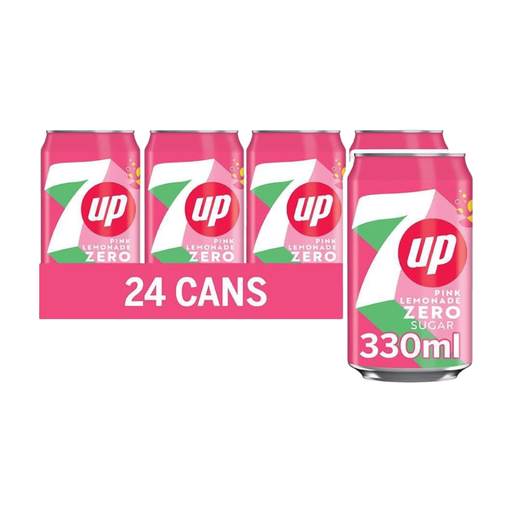
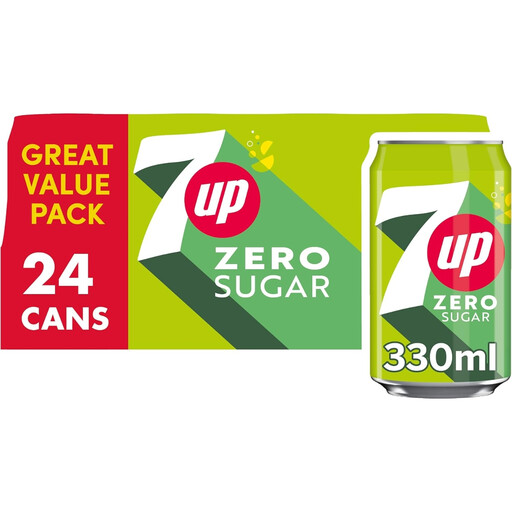
These are 24-can citrus-drink multipacks for households considering separate portions instead of a shareable 2-litre bottle. Check the individual listing and label to decide whether its flavour and ingredients fit your shop.
 No image available
The 24 × 330 ml can format offers separate portions for a weekly shop instead of one opened large bottle. Check the current nutrition panel and sweeteners before choosing it for the household.
 No image available
This 24 × 330 ml multipack is a lemon-lime option for shoppers who do not require a traditional lemonade flavour. Check the current ingredients, particularly if someone in the household has PKU.
No. “No added sugar” and “zero sugar” are different label claims, so read the sugars-per-100ml figure on the particular drink’s nutrition panel.
The NHS says aspartame is not suitable for people with phenylketonuria (PKU). If that applies to someone in your household, check the ingredients of the exact drink and variant before buying.
Choose a bottle when the household can use it within its stated after-opening period; consider cans when separate portions suit your plans better. Follow the storage instructions on the pack you buy.
The NHS recommends water and milk as the best drinks for children. A no-added-sugar label does not change that guidance; check the drink’s nutrition and ingredients if you are considering it.