What matters on the label and at lunch?
Start with how often the drink will be served, then compare the sugar declaration, ingredients and pack size for the exact product.
| Priority | What to check | Your needs |
|---|
| Sugars |
Read “of which sugars” and its stated serving basis. Tesco and Sainsbury’s cloudy no-added-sugar lemonades each list 0.6g per 250ml; ASDA Diet Lemonade lists 0g per 330ml can, according to their product listings. |
I want to distinguish a no-added-sugar label from a drink whose nutrition panel lists zero sugars. |
| Routine and age |
Consider whether this is an occasional drink with lunch or a regular drink sipped between meals. NHS guidance favours water or milk for children; it advises against diet or reduced-sugar drinks for babies and young children. |
For everyday lunches, I would choose water or milk. If serving fizzy lemonade, I would offer it with the meal rather than for repeated sipping. |
| Ingredients |
Check the current sweetener and allergy information. Tesco and Sainsbury’s cloudy lemonades list sulphites; Sprite Zero and R. White’s Diet Lemonade carry source-of-phenylalanine statements. |
Someone in my household needs me to check particular ingredients or warnings before I buy. |
| Portions and storage |
Compare a single can with the servings you would pour from a 2-litre bottle. Tesco, Sainsbury’s and M&S instruct buyers to refrigerate their listed bottles after opening and use them within 3 days. |
A can would give us a defined serving, while a shared bottle would need a plan for portions and leftovers. |
Joybuy fizzy drink options
These individually portioned, zero-sugar lemonade or lemon-flavoured fizzy options are for considering an occasional drink with lunch. Sprite and 7UP Zero are lemon-and-lime alternatives, while SINGHA is labelled lemon soda.
 No image available
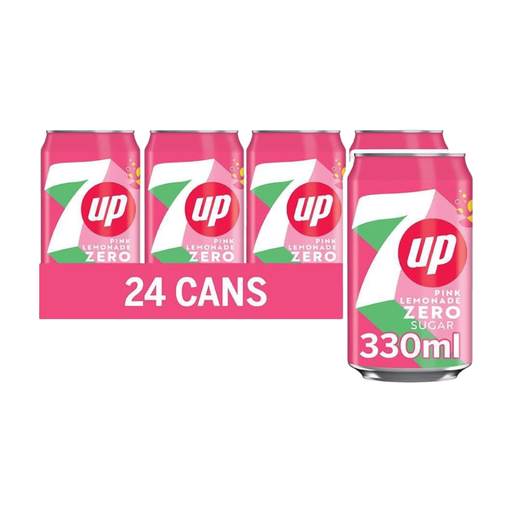
7 Up Lemonade Zero, 24 × 330ml
The 330ml cans give a defined portion for an occasional fizzy drink with lunch. The listed nutrition information declares 0g sugars per 100ml. This carbonated drink lists acids and carries a source-of-phenylalanine warning; check the current label if that warning matters.
View on Joybuy
 No image available
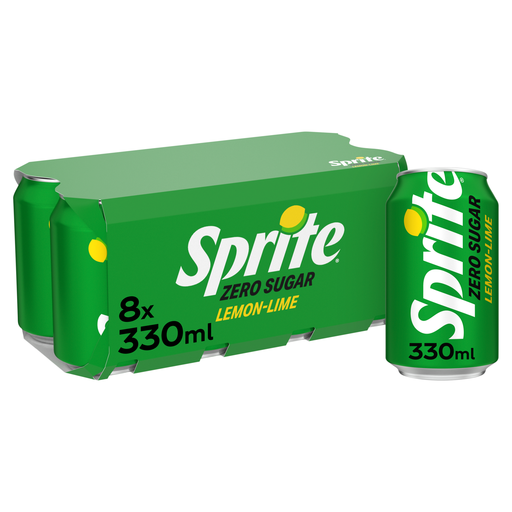
Sprite No Sugar, 8 × 330ml
This lemon-and-lime fizzy alternative comes in individual 330ml cans rather than being labelled lemonade. Its listed nutrition information declares 0g sugars per 100ml. It contains acids and carries a source-of-phenylalanine warning; a no-sugar label does not remove the dental consideration associated with fizzy drinks.
View on Joybuy
 No image available
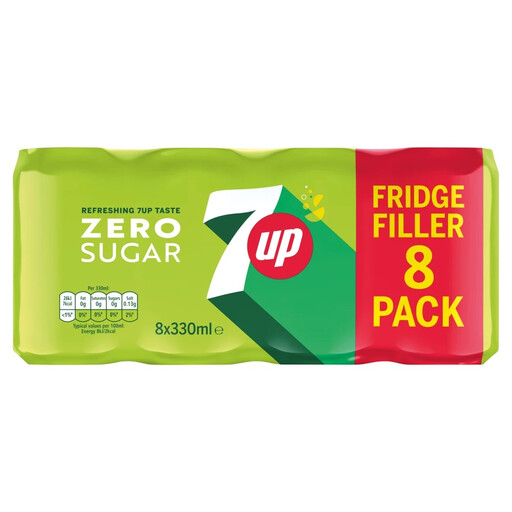
7UP Zero, 8 × 330ml
The individual 330ml cans suit a planned serving of a lemon-and-lime fizzy drink. Its nutrition information lists 0g sugars per 100ml; the supplied energy figures conflict, so check the pack label before comparing energy values. The drink lists acids and carries a source-of-phenylalanine warning.
View on Joybuy
 No image available
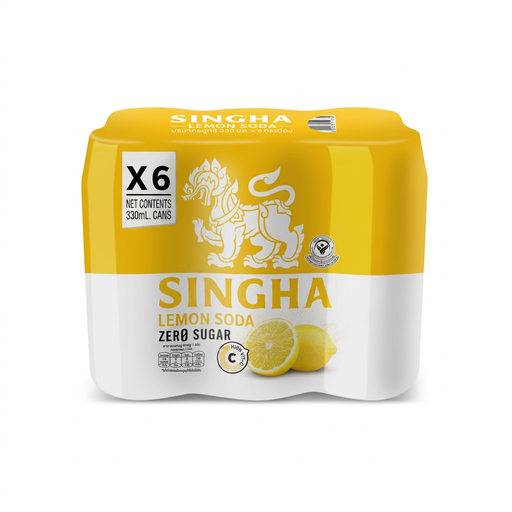
SINGHA Original Lemon Soda Zero Sugar, 6 × 330ml
This lemon soda is an individually canned fizzy alternative rather than a lemonade-labelled drink. Its nutrition information states 0g sugars, but check the pack label for the applicable nutrition basis and energy value before comparing it with other cans. It is carbonated and lists citric acid.
View on Joybuy
Questions about children’s lunches
Does “no added sugar” mean lemonade contains no sugar?
No. A no-added-sugar drink can still declare sugars from its ingredients. Tesco and Sainsbury’s each list 0.6g sugars per 250ml for their cloudy no-added-sugar lemonades, so compare the “of which sugars” figure and its stated serving size.
Is no-added-sugar lemonade suitable for every school holiday lunch?
Plain water or milk is the routine choice in NHS oral-health guidance for children. It warns that no-added-sugar and other fizzy drinks can be acidic and cause tooth wear; if you serve lemonade occasionally, offer it with lunch rather than for repeated sipping between meals.
What about diet fizzy drinks for babies and young children?
NHS guidance does not recommend diet or reduced-sugar drinks for babies and young children. It also says fizzy drinks are acidic and can damage tooth enamel, so do not treat a no-sugar label as an age-suitability claim.
Which ingredients and warnings should I check?
Read the current ingredient and allergy information for the exact drink. The listed Tesco and Sainsbury’s cloudy lemonades contain sulphites, while Sprite Zero and R. White’s Diet Lemonade carry source-of-phenylalanine statements; sweeteners also differ by product.
How should I store an opened 2-litre bottle?
Follow its own label. The listed Tesco, Sainsbury’s and M&S 2-litre lemonades instruct buyers to refrigerate after opening and use within 3 days, which matters if the bottle is being bought for just one lunch.


