People taking a milk drink with lunch
A small ready-to-drink carton is a practical format to compare. Check its fat per 100 ml, the full carton’s sugars and whether it needs chilling.


For lunch on the go, choose a small ready-to-drink milkshake to have alongside food, a protein shake when its protein content matters to you, or a labelled meal replacement only if you intend to follow its preparation directions. In Great Britain, the nutrition-claims rules published by legislation.gov.uk set a low-fat limit of 1.5 g fat per 100 ml for most liquids, with a separate 1.8 g per 100 ml provision for semi-skimmed milk. Check the current pack and the amount you will drink for fat, sugars, allergens and storage instructions.
The useful distinction is whether the drink accompanies lunch, adds a stated amount of protein or is specifically labelled to replace a meal.
A small ready-to-drink carton is a practical format to compare. Check its fat per 100 ml, the full carton’s sugars and whether it needs chilling.
Compare protein per bottle as well as fat per 100 ml. If lactose matters, read the particular product’s label; a lactose-free milk shake still contains milk.
Look for a product explicitly labelled as a meal replacement and follow its preparation directions. A conventional flavoured milkshake is not interchangeable with one.
Choose when: You want a ready-to-drink carton alongside your lunch.
Keep in mind: A low-fat milk drink is not, by that description alone, a meal replacement.
Choose when: The stated protein per bottle matters more to you than a conventional milkshake format.
Keep in mind: These milk-based drinks still need an allergen check and are not automatically meal replacements.
Choose when: You are deliberately planning to replace a meal and can follow the product’s directions.
Keep in mind: Tesco Slim Chocolate requires preparation with skimmed milk; its directions say it is not a total diet replacement.
| Priority | What to check | Your needs |
|---|---|---|
| Fat content | Read fat per 100 ml on the current pack. For most liquid low-fat claims in Great Britain, the legislation published by legislation.gov.uk sets a limit of 1.5 g per 100 ml; semi-skimmed milk has a separate 1.8 g per 100 ml provision. | I want to establish whether the drink meets my low-fat requirement before comparing flavours or bottle sizes. |
| Label comparison | Use traffic-light labelling to compare fat, saturates, sugars and salt at a glance, then read the nutrition panel for the amount you will drink. | I’d like a quick way to compare packs. In the Food Standards Agency and Ipsos Northern Ireland’s 2024 survey, 49% of 611 people interviewed in Northern Ireland said they actively used traffic-light labelling when shopping for food; this was not a milkshake-specific measure. |
| Whole serving | Check the bottle or carton size, then compare sugars, energy and protein for that whole amount rather than relying only on per-100-ml figures. Tesco Groceries lists 9.4 g sugars and 6.6 g protein per 200 ml Yazoo No Added Sugar Chocolate carton. | A small carton and a larger bottle may contribute different amounts to my lunch, even when their per-100-ml figures look similar. |
| Role at lunch | Distinguish a flavoured milk drink or protein shake from a product explicitly labelled as a meal replacement. Check any preparation and use directions. | Am I taking a drink with food, or deliberately preparing a product intended to replace a meal? |
| Allergens | Read the current ingredients and allergen declaration. The Yazoo, Arla Protein, For Goodness Shakes and Mars products described here contain milk; lactose-free wording does not mean dairy-free. | If I need to avoid milk, a lactose-free label does not answer my allergen question. |
| Storage | Check instructions before and after opening, especially if you cannot refrigerate the drink during your journey. Tesco Groceries lists refrigeration after opening and use within three days for the cited Arla Protein shake, or two days for the cited For Goodness Shakes product. | I need a drink whose storage instructions fit when I plan to open and finish it. |
Tesco Groceries lists 2.2 g fat per 100 ml for Mars Chocolate Flavoured Milk Drink No Added Sugar. That exceeds the 1.5 g per 100 ml limit for most liquid low-fat claims in Great Britain.
Check fat per 100 ml separately from added-sugar wording, then compare sugars and energy for the amount you will drink.
A 200 ml carton and a 330 ml bottle contain different total amounts. The per-100-ml panel alone does not tell you what you will consume if you finish either one.
Use the per-100-ml figures for a like-for-like comparison, then check the figures for the whole carton or bottle.
A protein shake’s name does not establish that it is formulated or labelled as a meal replacement. Tesco Slim Chocolate, by contrast, has specific meal-replacement preparation directions.
Choose a meal replacement only when that is what you intend and follow its label; otherwise consider the drink as part of lunch.
The cited Arla Protein and For Goodness Shakes products are labelled lactose free but contain milk.
If you need to avoid milk, check the allergen declaration on the actual pack rather than relying on lactose wording.
These examples show why the particular drink and its label matter more than the brand name alone.
Tesco Groceries lists Yazoo No Added Sugar Chocolate in 200 ml cartons.
For a FRijj milkshake, assess the particular flavour and pack size rather than relying on the brand name.
The cited Mars Chocolate Flavoured Milk Drink No Added Sugar is a 400 ml milk drink.
The cited Strawberry and Raspberry flavoured milk shake is a ready-to-drink protein option.
The cited Protein Chocolate shake is a 330 ml milk-based protein drink.
Tesco Slim Chocolate is a meal-replacement product, not a ready-to-drink conventional milkshake.
These options include a protein shake and smaller milkshake yoghurt drinks for taking alongside lunch. Check each current pack’s fat per 100 ml before choosing it for a low-fat requirement; these are not meal-replacement selections.
 No image available
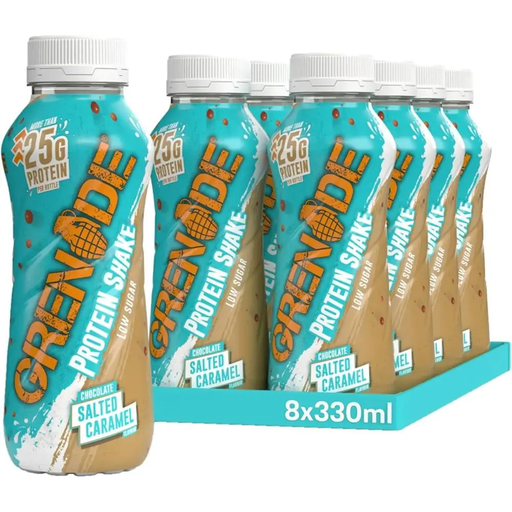
A bottled protein shake to consider when comparing drinks to take alongside lunch. The pack contains eight 330 ml bottles; check the current nutrition and allergen information, particularly fat per 100 ml and milk ingredients.
 No image available
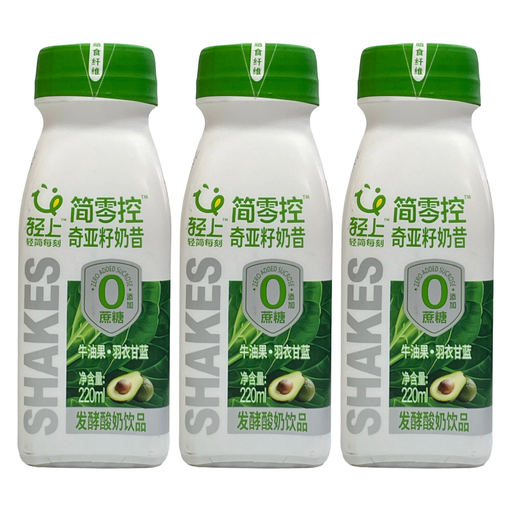
Three smaller milkshake yoghurt drinks to compare for a lunch-on-the-go occasion. This is a yoghurt-drink format rather than a conventional milkshake; check the current pack for fat per 100 ml, ingredients and milk allergens.
 No image available
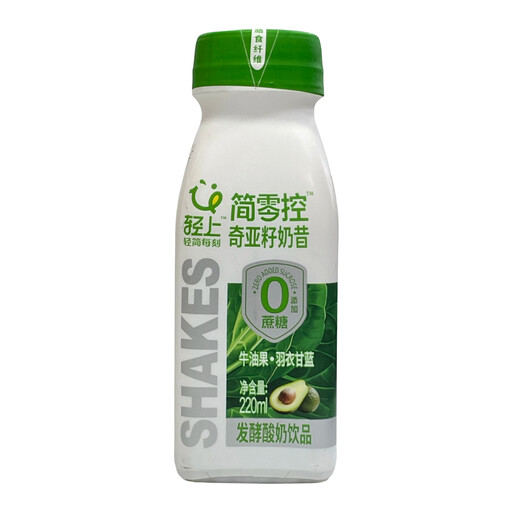
A single 220 ml milkshake yoghurt drink to compare with the three-bottle pack when planning what to take with lunch. Check the current pack’s fat per 100 ml, ingredients and milk allergen declaration.
For most liquids in Great Britain, the nutrition-claims rules published by legislation.gov.uk permit a low-fat claim at no more than 1.5 g fat per 100 ml. There is a separate 1.8 g per 100 ml provision for semi-skimmed milk. Check the current drink’s per-100-ml panel.
No. Tesco Groceries lists 2.2 g fat per 100 ml for Mars Chocolate Flavoured Milk Drink No Added Sugar, above the usual 1.5 g per 100 ml liquid low-fat limit in Great Britain. Read fat and sugars separately on the particular pack.
A low-fat label alone does not identify a drink as a meal replacement. If replacing a meal is your aim, choose a product labelled for that purpose and follow its directions: Tesco Slim Chocolate, for example, is prepared with skimmed milk, and its directions say it is not a total diet replacement.
Not necessarily. The cited Arla Protein and For Goodness Shakes products are described as lactose free but contain milk. Check the allergen declaration on the current pack if you need to avoid milk.
Check the individual drink’s storage directions and when you plan to open it. Tesco Groceries specifies refrigeration after opening and use within three days for the cited Arla Protein shake, compared with two days for the cited For Goodness Shakes product.