Who is this choice for?
The useful distinction is not simply milkshake versus protein shake: it is how much you expect to drink during a break and which label details matter to you.
Workers taking a drink on a short break
A ready-to-drink bottle avoids preparation. Check its size against the time you have and whether its storage instructions work for your shift. Barking, Havering and Redbridge University Hospitals NHS Trust suggests smaller snacks or a light meal during night breaks rather than one large meal.
Shoppers prioritising low fat
Compare fat per 100ml across drinks of different sizes, then look at the amount in the bottle you intend to drink. Protein, sugars and portion size can still differ between drinks labelled low fat.
Shoppers comparing packaging claims
“Low fat”, “fat free” and “no added sugar” describe different things. Use the nutrition panel to check fat and sugars separately rather than treating one front-of-pack claim as an answer to both questions.
What should you check?
Compare drinks on a per-100ml basis first, then use the bottle size to judge the portion you would actually have during a shift.
| Priority |
What to check |
Your needs |
| Fat content |
Read total fat per 100ml so different bottle sizes are comparable. Check the whole-bottle amount if you expect to finish it. |
I want low fat to be a property of the drink itself, not something inferred from “no added sugar” or “high protein”. |
| Portion size |
Compare the stated serving with the bottle or can size. Look at the nutrition values for the amount you plan to drink. |
A small drink may fit a short break; for a longer break, I may prefer a larger bottle. Either way, the full pack matters if I will drink it all. |
| Sugars and saturates |
Read sugars and saturates alongside fat, both per 100ml and for your portion. “No added sugar” does not mean sugar-free. |
I do not want a low-fat label to stand in for checking the other nutrition values that matter to me. |
| Protein and drink style |
Compare protein per 100ml and per bottle. Check whether the product is a conventional flavoured milk, a protein shake or a yoghurt-style drink. |
If I want a larger protein-shake drink, its bottle size and ingredients matter too. For a small flavoured-milk break, I may not need the same format. |
| Ingredients and storage |
Read the pack’s allergen declaration, ingredients and instructions for storage before and after opening. |
I need a drink I can store as directed during my shift, and I need to check milk ingredients or sweeteners where relevant. |
Brand and product-line references
These examples show why the exact drink and flavour matter more than a brand name alone; check the pack when choosing a particular variant.
For Goodness Shakes
Its Protein Chocolate 330ml is a ready-to-drink protein-shake example for comparing a smaller bottle with larger formats.
- Tesco Groceries lists it as fat free, with 0.3g fat, 4.9g sugars and 10.6g protein per 100ml; the bottle lists 35g protein.
- The listing also identifies sucralose. Check the ingredients if sweeteners affect your choice.
Arla Protein
The Vanilla Flavoured Milk Shake is a larger dairy protein-shake example.
- Tesco Groceries describes this variant as low fat and lactose free, listing 0.9g fat, 4.7g sugars and 5.7g protein per 100ml.
- It contains milk. Lactose-free does not mean free from milk allergens; check the pack’s declaration.
Yazoo
Strawberry is a conventional flavoured-milk example rather than a protein-shake format.
- Yazoo lists 1.1g fat and 3g protein per 100ml, with a recommended serving of 200ml.
- Its panel lists 8.7g sugars per 100ml; check the size of the bottle you choose rather than assuming it contains one stated serving.
Mars
Chocolate Flavoured Milk Drink No Added Sugar illustrates why a sugar claim is a separate consideration from fat content.
- Tesco Groceries lists 2.2g fat and 6.5g sugars per 100ml for this variant. Do not use its no-added-sugar wording as a low-fat comparison.
FRijj
FRijj is a thick milkshake brand; the nutrition panel of the particular flavour and size should determine whether it fits a low-fat choice.
- Check the physical bottle’s current ingredients and nutrition values, as Tesco Groceries cautions that food listings may not reflect reformulations.
Joybuy drinks to compare
These options include three ready-to-drink protein shakes in different portion sizes and one smaller yoghurt-style drink. Compare their packs and labels for the break you have in mind; a yoghurt-style drink is not the same format as a conventional flavoured milkshake.
 No image available
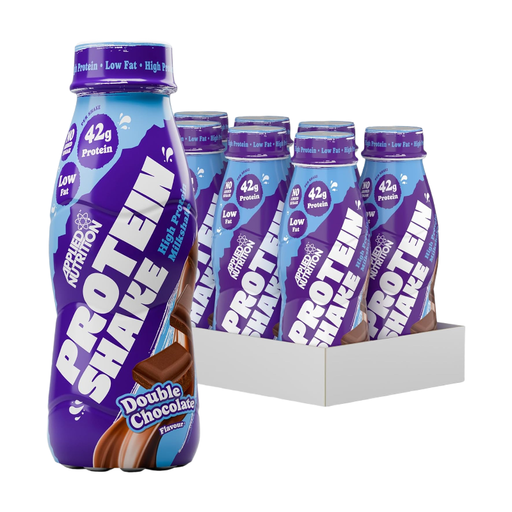
Applied Nutrition Double Chocolate Protein Nutrition Shake, 8 x 500ml
This ready-to-drink format is worth comparing if you expect to have a 500ml bottle during a break. Check the whole-bottle nutrition panel and the pack’s milk and sweetener information before choosing it.
View on Joybuy
 No image available
Applied Nutrition Strawberries & Cream Protein Nutrition Shake, 8 x 330ml
The 330ml ready-to-drink bottle offers a smaller portion than the 500ml Applied Nutrition variant. Compare the full bottle’s sugars and other nutrition values, and check its milk and sweetener information on the pack.
View on Joybuy
 No image available
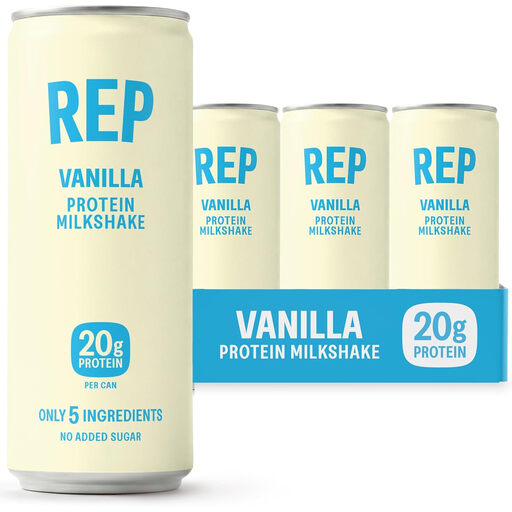
REP Only 5 Ingredients Vanilla Protein Shake, 8 x 250ml
This 250ml can is the smallest protein-shake portion in this selection. Check its per-can nutrition and milk allergen information; a no-added-sugar claim would not mean the drink contains no sugars.
View on Joybuy
 No image available
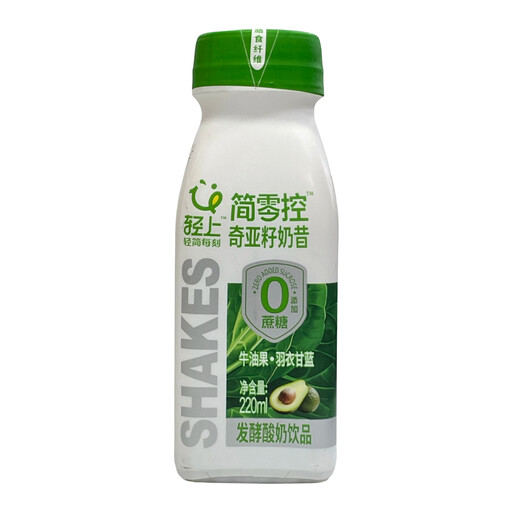
LIGHT UP Zero Control Avocado Kale Chia Seed Milkshake Yoghurt Drink, 220ml
This 220ml yoghurt-style drink is a different choice from the protein shakes above. If you want a conventional milkshake or a particular protein amount, check its format and nutrition panel before substituting it.
View on Joybuy
Questions about low-fat milkshakes
How can I tell whether a milkshake fits my low-fat priority?
Read the fat value per 100ml on the bottle, then check the amount you intend to drink. The per-100ml figure lets you compare bottles of different sizes; a flavour name or a claim about sugar does not tell you the fat content.
Does “no added sugar” mean low fat?
No. The claims concern different nutrients. For example, Tesco Groceries lists Mars Chocolate Flavoured Milk Drink No Added Sugar at 2.2g fat per 100ml, so check fat and sugars separately.
Which figures matter for a drink during a night shift?
Compare fat, saturates, sugars, energy and protein per 100ml, then consider the bottle or serving you will actually have. The NHS explains that pre-packed-food nutrition labels give figures per 100ml and sometimes per portion.
Should I choose a protein shake instead of flavoured milk?
Choose by portion and format, not the protein claim alone. A ready-to-drink protein shake may suit a break when you want a larger drink; a standard flavoured milk may suit a smaller one. Compare the particular bottles’ fat, sugars and protein before deciding.
Does lactose-free mean a drink contains no milk allergens?
No. Lactose-free does not mean free from milk protein. If milk is an allergen you must avoid, read the allergen declaration on the drink you receive rather than relying on its lactose-free description.


