Adults with little time in the morning
A ready-to-drink flavoured milk is convenient when breakfast needs to be quick. Compare the no-added-sugar claim with total sugars on the label, and check the ingredients if you prefer to avoid sweeteners.


For a rushed weekday breakfast, a no-added-sugar ready-to-drink milkshake can be a convenient accompaniment, but it is not sugar-free and may contain sweeteners. If you prefer a regular milkshake or a mix you prepare yourself, compare the portion you will drink, its total sugars and ingredients, and any preparation needed. NHS Grampian’s breakfast guidance suggests including a fibre-rich carbohydrate and fruit or vegetables alongside a protein source rather than relying on the drink alone.
A ready-to-drink flavoured milk is convenient when breakfast needs to be quick. Compare the no-added-sugar claim with total sugars on the label, and check the ingredients if you prefer to avoid sweeteners.
A smaller carton can make the intended portion clearer. Check the serving size and milk-allergen declaration, and consider what fibre-rich food and fruit or vegetables will accompany the drink.
If you enjoy a thicker, sweeter milkshake, compare its ingredients and nutrition per amount you expect to drink with those of a no-added-sugar alternative. The claim on the front of a pack does not describe every nutritional difference.
Start with the portion and ingredients, then decide whether a ready-to-drink bottle or a mix fits the time you have at breakfast.
| Priority | What to check | Your needs |
|---|---|---|
| Sugars and sweeteners | Read the no-added-sugar claim, the ‘of which sugars’ figure for the portion and the ingredient list. The NHS explains that naturally occurring milk sugars appear in total sugars even though they are not free sugars. | I want to know how much sugar is in the drink I will have, and whether it contains sweeteners. A no-added-sugar label alone does not answer either question. |
| Portion size | Check millilitres per serving and servings per bottle before comparing sugars, energy or protein. Tesco lists two 200ml servings in its 400ml Mars no-added-sugar bottle. | A small drink alongside food may suit my morning better than a whole bottle. I will compare labels using the amount I plan to drink. |
| The rest of breakfast | Consider the drink alongside a fibre-rich carbohydrate and fruit or vegetables. NHS Grampian gives porridge, wholegrain bread and high-fibre cereal as examples of fibre-rich choices. | If I have a milkshake on the way out, I still need to decide what food will go with it rather than treating the drink as breakfast by itself. |
| Allergens and ingredients | Read the current pack’s allergen declaration. The cited Yazoo drink contains milk; ASDA lists milk and barley for the cited Mars drink. Lactose-reduced does not mean dairy-free. | Milk or another ingredient may rule out a particular drink for me, regardless of its sugar claim or flavour. |
| Preparation | For a mix, check the stated powder and liquid quantities and the nutrition for the prepared serving. A ready-to-drink product does not require mixing. | I can make a shake at home if preparation fits my morning; otherwise, a carton or bottle is simpler to take with me. |
Dairy drinks can contain naturally occurring milk sugars. Tesco lists 9.4g total sugars per 200ml for Yazoo No Added Sugar Chocolate, while its Mars no-added-sugar drink contains sweeteners.
Check both the ‘of which sugars’ line and the ingredients rather than relying on the front-of-pack claim.
Tesco lists two 200ml servings in the 400ml Mars bottle. Drinking the whole bottle means consuming twice its stated per-serving nutrition values.
Compare products using the quantity you expect to drink, not just the figures for a declared serving.
A flavoured dairy drink does not itself cover the fibre-rich carbohydrate and fruit or vegetables in NHS Grampian’s suggested breakfast pattern.
Plan food to go with it, such as porridge or wholegrain toast and fruit.
The cited lactose-reduced Yazoo drink still contains milk. ASDA’s allergen advice for the cited Mars drink lists both milk and barley.
If an allergen matters to you, use the current pack’s allergen declaration rather than its diet-style wording.
These examples illustrate different formulations and formats; check the particular product and pack rather than assuming a claim applies across a brand.
Tesco lists Yazoo No Added Sugar Chocolate Milk Drink in 200ml cartons, a size suited to a defined drink alongside breakfast.
The cited Mars no-added-sugar chocolate-flavoured milk drink comes in a 400ml bottle containing two 200ml servings.
Müller FRijj Chocolate Flavour illustrates a conventional flavoured-milk option rather than a no-added-sugar formulation.
Tesco’s milkshake listings provide examples of no-added-sugar and conventional ready-to-drink products to compare.
These Joybuy options include ready-to-drink protein shakes and a shake mix for mornings when you can prepare a drink. Compare their current labels and intended portions with the breakfast foods you plan to have alongside them.
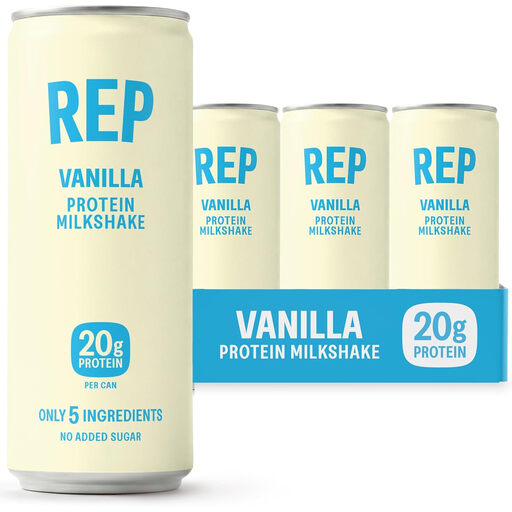 No image available
The 250ml can offers a defined ready-to-drink portion for a rushed morning. The product name’s ‘only 5 ingredients’ wording does not tell you its total sugars or whether it can stand in for breakfast; check the current pack and plan any accompanying food.
 No image available
This ready-to-drink 330ml format may suit a morning when mixing is inconvenient. Check sugars, sweeteners and allergens on the current bottle, and compare its full-bottle figures with the portion you would actually drink.
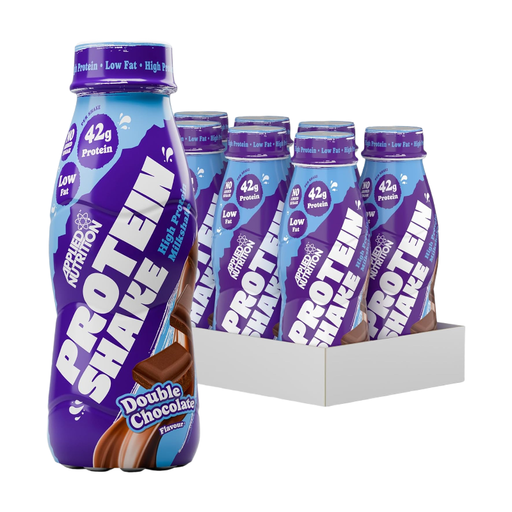 No image available
The 500ml bottle is a larger ready-to-drink format than the other listed cartons and bottles. Decide how much you intend to drink at breakfast, then read the current pack’s nutrition for that amount and check its ingredients.
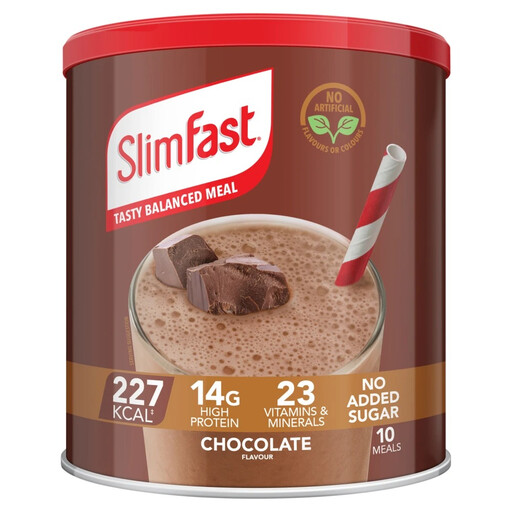 No image available
This shake requires preparation, unlike the ready-to-drink options above. Check the pack’s powder and liquid quantities, nutrition for the prepared serving and suitability instructions before deciding whether it fits your breakfast routine.
No. The NHS explains that naturally occurring milk sugars are included in a food label’s total-sugars figure even though they are not free sugars. Tesco lists 9.4g sugars per 200ml for the cited Yazoo no-added-sugar drink and 13g per 200ml for the cited Mars drink, so check the figure for the portion you will have.
A milkshake works better as one part of breakfast than as the only item. NHS Grampian’s breakfast guidance describes a combination of fibre-rich carbohydrate, a protein source and fruit or vegetables; consider what food you will have with the drink.
Compare nutrition for the amount you intend to drink. Tesco lists two 200ml servings in the cited 400ml Mars bottle, so drinking all of it doubles the per-200ml values; a single 200ml carton is already the same volume as one of those servings.
No. The cited lactose-reduced Yazoo drink still contains milk, as do the cited Mars and Müller FRijj drinks. For an allergy, check the current pack’s allergen declaration; ASDA also lists barley for the cited Mars product.