Families comparing sugar labels
A no-added-sugar sauce may suit a quick pasta dinner, but the nutrition panel still matters. Compare total sugars and salt for the amount you expect to serve, not just the wording on the front of the jar.


Choose a pasta sauce labelled no added sugar if avoiding added sugar is your priority, but compare total sugars and salt per 100g and for the portion you plan to serve: the claim does not mean sugar-free. For school meals, check the current labels on both the sauce and pasta, and follow the school's allergy arrangements before packing food.
A no-added-sugar sauce may suit a quick pasta dinner, but the nutrition panel still matters. Compare total sugars and salt for the amount you expect to serve, not just the wording on the front of the jar.
If a child has an allergy or needs to avoid gluten, check the individual pasta and sauce labels. Before packing food for school, check the school's arrangements for that child.
Pack size and after-opening instructions matter when you will use only part of a sauce jar. Choose a format that fits the meal you are making and check how the remainder must be stored.
For a back-to-school pasta meal, choose the sauce and pasta separately: the sauce's sugar claim does not establish the nutrition or allergen suitability of the finished dish.
| Concern | What to check | Who this matters to |
|---|---|---|
| Sugars and salt | Look for the no-added-sugar claim, then compare total sugars and salt per 100g and for your intended portion. Tesco Groceries lists 4.5g sugars and 0.64g salt per 100g for its No Added Sugar Bolognese sauce. | If I want a no-added-sugar dinner, I still need to know how much sugar and salt my portion contains; about 40% of consumers put label and nutrition comparison first. |
| Allergens and school arrangements | Check the current pasta and sauce labels separately. Where a school meal is involved, confirm the child's requirements and the school's allergy arrangements. | If a child has an allergy or needs to avoid gluten, the whole meal must suit their requirements before I pack it; for about 30% of consumers, allergen suitability is the primary concern. |
| Portions and storage | Check the pack size against the portions you need and read the sauce's after-opening storage instructions. | On a busy weekday, I need a jar size whose remainder I can use as instructed; about 20% of consumers prioritise portions and storage. |
| Pasta and sauce pairing | Choose the pasta format for the meal, then check the particular sauce's ingredients, claim and serving instructions. | If I choose the pasta first, I need the sauce to fit both the dish and any ingredient requirements; roughly 10% of consumers put the pairing first. |
A tomato-based sauce can contain naturally occurring sugars. Tesco Groceries, for example, lists 4.5g sugars per 100g for its No Added Sugar Bolognese sauce.
Compare the sugars and salt lines on like-for-like sauce nutrition panels, then consider the portion you will use.
A gluten-free sauce does not make a meal gluten-free if the pasta contains gluten. The Food Standards Agency identifies pasta as a food that can contain cereals with gluten.
Check both current labels; where gluten must be avoided, choose pasta specifically labelled gluten-free.
The Department for Education says schools in England must publish an allergy safety policy. Arrangements for an individual child and for packed food need to be checked with the school.
Confirm the child's requirements and the school's current arrangements before packing the meal, particularly if you change either product.
A pack may make more sauce than one meal needs, and after-opening instructions differ between products.
Check the current pack instructions and choose a size you can use within its stated storage period.
Sauce left beyond that period may have to be discarded.
These brands illustrate different pasta or sauce choices; a pasta range's characteristics do not establish the ingredients or sugar claim of a separate sauce.
Tesco Groceries lists a 500g No Added Sugar Bolognese pasta sauce for shoppers comparing own-label tomato sauces.
Dolmio UK describes a tomato, herb and spice pasta-sauce range with no added sugar.
Barilla UK offers pasta choices for households selecting the pasta separately from the sauce.
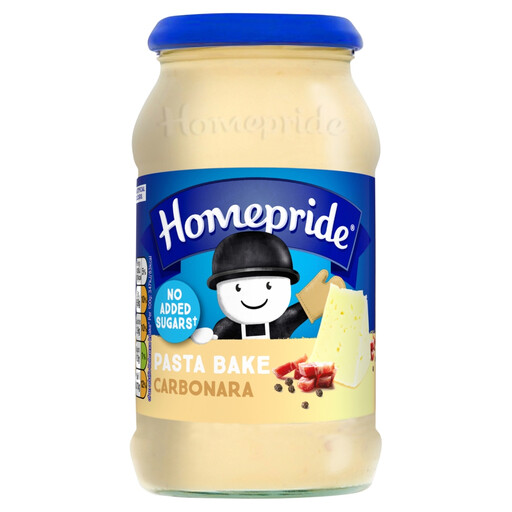
This selection covers a no-added-sugar sauce for a pasta bake. Check the pasta separately when planning the complete meal.
 No image available
For a pasta bake when a no-added-sugar sauce is the priority. This is a 485g sauce to combine with pasta, not a complete pasta meal. Check the current labels of both components for allergens, and read the sauce's after-opening storage instructions before planning portions or packing food for school.
No. A no-added-sugar sauce can still contain naturally occurring sugars. Check total sugars on the nutrition panel: Tesco Groceries lists 4.5g per 100g for its No Added Sugar Bolognese sauce.
Compare sugars and salt per 100g for like-for-like sauces, then consider how much sauce you will serve. The front-of-pack sugar claim does not replace those figures.
Not necessarily: the pasta must be checked separately. The Food Standards Agency identifies pasta as a food that can contain cereals with gluten, so use pasta specifically labelled gluten-free where required and check the sauce's current label too.
Check both products against the child's requirements and the school's current allergy arrangements. In England, the Department for Education says schools must publish an allergy safety policy; ask the individual school how its arrangements apply to food you pack.
Follow the instruction on that jar rather than assuming all sauces have the same storage period. Tesco Groceries instructs shoppers to refrigerate its No Added Sugar Bolognese sauce after opening and consume it within 14 days; check the current pack before using that timing.