Shoppers comparing sugar claims
If you want a fruit smoothie but are watching the sugars in each drink, check the nutrition panel as well as any no-added-sugar wording. Pack size matters too: one bottle can contain more than one 150ml portion.


A no-added-sugar fruit smoothie is not necessarily sugar-free: compare the sugars on its nutrition label and the amount you will drink. The NHS advises limiting fruit juice and smoothies to a combined 150ml a day, with a meal; a 150ml pack makes that portion easier to identify, while a larger bottle needs measuring or sharing. If zero sugar is essential, choose a drink labelled sugar-free instead of assuming a fruit smoothie meets that requirement.
If you want a fruit smoothie but are watching the sugars in each drink, check the nutrition panel as well as any no-added-sugar wording. Pack size matters too: one bottle can contain more than one 150ml portion.
A 150ml pouch gives you a defined serving to compare with a larger bottle. Check the sugars per pouch and the pack’s storage and child-use instructions before adding it to an order.
Compare the carbohydrate and sugars figures for the amount you intend to drink, rather than relying on a fruit-only or no-added-sugar description. Diabetes UK notes that sugars in smoothies contribute to free-sugar intake.
Decide whether you want a fruit smoothie or need a sugar-free drink, then compare the portion and nutrition label of the exact product you plan to order.
Choose when: You want a ready-to-drink smoothie in a defined 150ml serving, such as a single kids pouch.
Bear in mind: A no-added-sugar pouch can still contain sugars; check its label rather than treating it as a sugar-free drink.
Choose when: You prefer a larger bottle and will pour a 150ml serving or share it.
Bear in mind: The full bottle may exceed the NHS’s combined daily 150ml guidance for juice and smoothies.
Choose when: Zero sugar is essential and you do not need the drink to be a fruit smoothie.
Bear in mind: A sugar-free soft drink is a different product, not a smoothie portion of 5 A Day.
| Priority | What to check | Your needs |
|---|---|---|
| Sugar wording | Read the claim and the sugars figure per 100ml. Compare the figure for the amount you will actually drink. | I want to know whether a no-added-sugar smoothie still contains sugars, or whether I need a drink labelled sugar-free. |
| Portion size | Check the pack volume and stated servings. The NHS advises a combined maximum of 150ml of fruit juice and smoothies a day, with a meal. | A single 150ml serving is straightforward for a lunchbox; with a larger bottle, I would need to pour a portion rather than drink the whole pack. |
| Nutrition label | Compare like units in the nutrition tables, noting whether figures are per 100ml, per 100g or per serving. Check the delivered pack for current ingredients and allergens. | I want to compare labels without treating different pack sizes as equal. In the Food Standards Agency and Ipsos Northern Ireland’s 2024 survey of 611 consumers in Northern Ireland, 49% said they actively used traffic-light labels when shopping for food; that figure is not specific to smoothies. |
| Substitutions | Review substitution settings before ordering. If an alternative arrives, compare its size, ingredients and nutrition with the product you chose. | If a particular sugar claim or ingredient matters to me, I do not want an unchecked replacement in my delivery. |
Fruit ingredients can contribute sugars even when no sugar is added. Waitrose & Partners lists 10g sugars per 100ml for its 250ml Innocent Mangoes, Passionfruits & Apples no-added-sugar smoothie.
Compare the sugars figure with your intended serving. If zero sugar is essential, check a drink explicitly labelled sugar-free instead.
A 250ml or 350ml smoothie bottle holds more than the NHS’s recommended combined daily 150ml maximum for fruit juice and smoothies. More smoothie does not count as additional 5 A Day portions.
Choose a 150ml serving, or pour out that amount from a larger bottle and follow its storage instructions for what remains.
Tesco and Sainsbury’s describe substitutions for unavailable grocery items. A replacement smoothie could have different ingredients, nutrition or pack size from the one you selected.
Set your substitution preference before checkout and inspect any replacement’s label when it arrives, particularly if a dietary attribute is essential.
Innocent offers fruit smoothies in different pack formats, including kids pouches and larger bottles.
M&S Food’s Very Berry Smoothie is listed as a 350ml fruit smoothie.
Naked Blue Machine Super Smoothie is a named product to compare when browsing online grocery listings.
These are fizzy soft drinks for shoppers considering a sugar-free alternative. Neither is a fruit smoothie; check the current pack label if its ingredients matter to your choice.
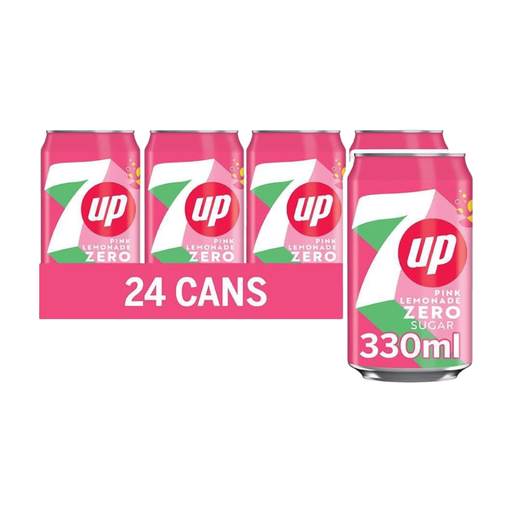 No image available
A Zero-labelled lemonade option if you want a fizzy drink rather than a fruit smoothie. The pack contains 24 x 330ml; check the current label for sweeteners and phenylalanine information if relevant to you.
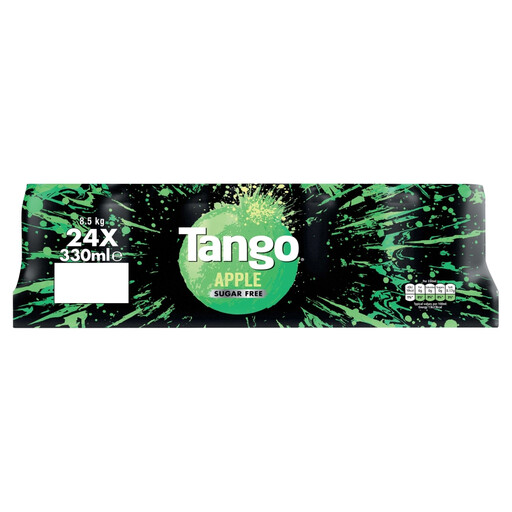 No image available
A sugar-free-labelled apple-flavoured fizzy drink rather than a fruit smoothie. The pack contains 24 x 330ml; check the current ingredients label if sweeteners matter to your choice.
No. A no-added-sugar smoothie can still contain sugars from its fruit ingredients. For example, Waitrose & Partners lists 10g sugars per 100ml for its Innocent Mangoes, Passionfruits & Apples no-added-sugar smoothie. Check the nutrition panel if the distinction matters to your purchase.
The NHS says 150ml of fruit juice or smoothie counts as one portion of 5 A Day and advises limiting the two drinks to a combined 150ml a day, with a meal. A larger bottle does not provide extra 5 A Day portions when you drink more of it.
Check the carbohydrate and sugars figures for the serving you intend to drink, along with the pack size. Diabetes UK says sugars in smoothies contribute to free-sugar intake, so a no-added-sugar claim does not replace the nutrition table.
Allow one only if you are willing to check that the replacement still meets the attributes you need. Tesco and Sainsbury’s describe substituting unavailable grocery items; switching substitutions off is a practical choice when the exact ingredients, sugar wording or pack size are essential.
Check the delivered pack’s nutrition, ingredients, allergens, storage instructions and use-by date, especially if an item was substituted. Waitrose & Partners notes that product recipes can change, so the pack is important even when you reviewed the online listing before ordering.