Weekly shoppers comparing total fat
If multipacks contain bars of different sizes, compare total fat per 100g to assess the recipes, then check fat per bar for the portion you plan to eat.


For a weekly shop focused on total fat, compare snack bars’ fat figures per 100g before checking the amount per bar. A sugar, fibre or protein claim answers a different question: the British Nutrition Foundation explains that a reduced-fat claim means at least 30% less fat than a similar product. Check the comparison behind any such claim, then consider portion size, sugars and the ingredients of each flavour.
If multipacks contain bars of different sizes, compare total fat per 100g to assess the recipes, then check fat per bar for the portion you plan to eat.
A lower-sugar or no-added-sugar message does not describe total fat. For example, Tesco Groceries lists nākd. Peanut Delight as no added sugar and declares 23g fat per 100g.
Check the exact flavour’s ingredients and allergen statements alongside its nutrition panel. A dietary claim on one bar does not establish the ingredients or fat content of every product from that brand.
Settle which nutrition or dietary requirement matters first; then compare the same figures across the flavours you would actually put in your weekly shop.
| Priority | What to check | Your needs |
|---|---|---|
| Reduced-fat claim | Look for an explicit reduced-fat claim and a meaningful similar product for comparison. The British Nutrition Foundation defines the claim as at least 30% less fat than that comparator; it is not an absolute fat figure. | I want the pack’s claim to address total fat, rather than relying on a general impression from its name or packaging. |
| Total fat and portion | Compare total fat per 100g across shortlisted bars, then read the fat per bar and bar weight. Tesco Groceries lists Graze Cocoa Vanilla Oat Boost at 22g fat per 100g and 6.5g per 30g bar. | Bars in my basket come in different sizes, so a smaller per-bar number alone will not tell me how their recipes compare. |
| Sugar claims | Read sugars and total fat as separate nutrition lines. A no-added-sugar claim does not establish reduced fat: Tesco Groceries lists nākd. Peanut Delight at 23g fat per 100g. | If sugar is my main concern, I can compare that figure directly; if fat matters more, I will not use a sugar claim as a substitute. |
| Protein, fibre and ingredients | Check the stated protein or fibre amount for the exact bar, then its fat figure, ingredients and allergen statements. Tesco Groceries lists Eat Natural Peanuts, Almonds & Salted Caramel at 10.4g protein per 40g bar and 28.4g fat per 100g. | I may want a protein bar or need to avoid an ingredient, but neither requirement tells me whether the bar has reduced fat. |
The claims describe different things. Tesco Groceries lists nākd. Peanut Delight as no added sugar, while its nutrition panel declares 23g fat per 100g.
Decide whether sugars or total fat is your priority and compare the corresponding line on each shortlisted pack.
Protein content does not establish fat content. Tesco Groceries lists Eat Natural Peanuts, Almonds & Salted Caramel at 10.4g protein per 40g bar and 28.4g fat per 100g.
If protein is important, compare it alongside total fat, saturates and sugars for the same flavours.
A smaller portion can show a smaller fat amount without having a lower-fat recipe. Tesco Groceries lists Graze Cocoa Vanilla Oat Boost at 6.5g fat per 30g bar and 22g per 100g.
Use per-100g figures to compare recipes, then per-bar figures to assess the portion.
Ingredients and allergen statements can differ between flavours and change with reformulation. The Tesco Groceries listing for nākd. Peanut Delight identifies peanuts.
Read the ingredients, highlighted allergens and precautionary statements on the exact multipack you are buying.
These brand examples illustrate why a claim on one range or flavour should not stand in for the nutrition panel on another.
Graze Oat Boost flapjacks are an example of smaller oat-bar multipacks.
Nature Valley has distinct Crunchy and Protein bar ranges, so choose the range before comparing flavours.
Eat Natural’s fruit-and-nut bars may appeal when ingredients or protein are the starting point.
nākd. fruit-and-nut bars are relevant when the exact product’s ingredients and dietary information fit your requirements.
TREK protein flapjacks are a separate choice for shoppers comparing protein-bar multipacks.
Alpen’s UK product pages describe its muesli range; older Alpen Light bar references are not nutrition details for a bar in your basket.
These cereal-bar, oat-bar and protein-flapjack multipacks offer different starting points for a weekly shop. Their names and pack sizes do not establish a reduced-fat claim: use each exact flavour’s nutrition panel to make that comparison.
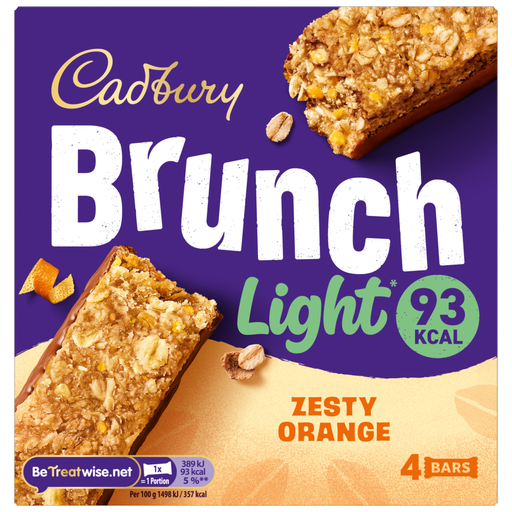 No image available
For a weekly-shop cereal-bar multipack, compare the Orange flavour’s total fat per 100g and per bar. “Light” in the name does not by itself identify a reduced-fat comparison.
 No image available
For a multipack of 21.5g bars, check both the Red Berry flavour’s per-bar fat figure and its per-100g figure before comparing it with larger bars. Read its sugars and allergen information separately.
 No image available
If you prefer a dark-chocolate variety, compare this six-pack’s total fat and sugars per 100g with the other flavours on your shortlist. Check the per-bar figures as well for its 21.5g portion.
 No image available
This is a protein-flapjack option with three 50g bars. If total fat is your priority, check the Salted Caramel flavour’s nutrition panel rather than using “protein” as a shortcut; also check its ingredients for dietary suitability.
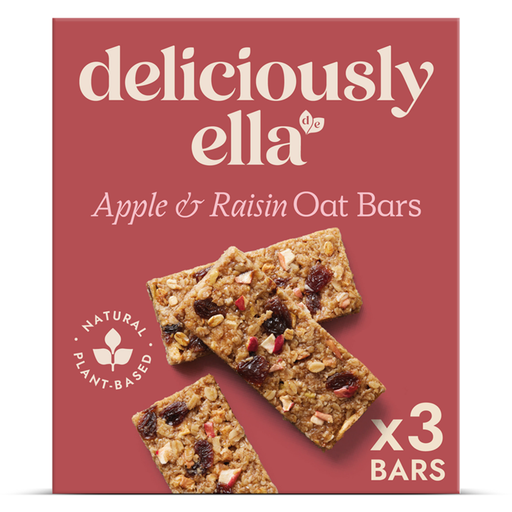 No image available
These oat bars come in a three-pack of 50g portions. Compare the Apple, Raisin & Cinnamon flavour’s total fat per 100g and per bar, and check its ingredients if you have dietary restrictions.
It is a comparison, not an absolute statement about how much fat the bar contains. The British Nutrition Foundation explains that a reduced-fat claim means at least 30% less fat than a similar product, so check the comparison and the bar’s nutrition panel.
No. The claims concern different nutrients: Tesco Groceries lists nākd. Peanut Delight as no added sugar, while declaring 23g fat per 100g and 8g per 35g bar. Compare total fat directly if that is your priority.
Use both: per 100g helps compare differently sized bars, while per bar describes the portion. For example, Tesco Groceries lists Graze Cocoa Vanilla Oat Boost at 22g fat per 100g and 6.5g per 30g bar.
No. Protein content is a separate measure. Tesco Groceries lists the Eat Natural Peanuts, Almonds & Salted Caramel protein bar at 10.4g protein per 40g bar and 28.4g fat per 100g; check both figures for the product you are considering.
Read the ingredients, highlighted allergens and precautionary statements on the exact flavour’s current pack. Tesco Groceries identifies peanuts in nākd. Peanut Delight and notes that food ingredients and allergen information can change with reformulation.