What should you check?
Decide whether you want an everyday drink, a flavoured electrolyte drink or carbohydrate for exercise. Then compare labels using the quantity you will actually prepare.
Water
Choose it when: Dinner is a sedentary occasion and you simply want a drink with your meal.
Trade-off: It does not offer the flavour or electrolyte ingredients of a prepared tablet drink.
Electrolyte tablets
Choose them when: You want a flavoured, no-added-sugar option or a drink after short activity without choosing carbohydrate fuel.
Trade-off: You need water to prepare them, and sodium and sweetener ingredients vary by product.
Carbohydrate sports drinks
Choose them when: Fuel as well as fluid is part of your plan for a longer or demanding training session.
Trade-off: A drink containing carbohydrate serves a different purpose from a no-added-sugar option for an ordinary dinner.
| Priority |
What to check |
Your needs |
| Sugar and energy |
Read the exact claim, then compare sugars and energy for the amount of drink you will prepare. Check the ingredients as well as the front label. |
I want a drink with dinner without choosing a conventional sugary sports drink. |
| Purpose |
Check whether the product is an electrolyte drink or also contains carbohydrate for exercise fuel. Consider what you want it for alongside the meal. |
Dinner follows a short workout, and I want to compare flavoured electrolyte drinks without choosing a fuel product. |
| Preparation |
Check how much water the directions specify for each tablet or stick. Compare nutrition on the same prepared-serving basis. |
I want to know how large a drink I am making before comparing two formats. |
| Ingredients |
Read the sodium information and sweetener list for the exact flavour. For example, HIGH5 lists sucralose for ZERO. |
If I avoid a particular sweetener, the ingredients matter as much as the sugar claim. |
Relevant brand ranges
A brand can offer different kinds of drinks, so compare the named range and flavour rather than assuming every product bearing its name meets a no-added-sugar goal.
Science in Sport (SiS)
SiS describes GO Hydro as an electrolyte tablet option without added sugars for shorter activity.
- Its stated GO Hydro preparation basis is one tablet in 500ml water; the displayed formulation lists 345mg sodium per prepared serving.
- Check the exact pack and flavour before applying those serving figures to a purchase.
HIGH5
HIGH5 presents ZERO as a sugar-free electrolyte tablet drink rather than a ready-to-drink carbohydrate sports bottle.
- HIGH5 recommends preparing one ZERO tablet in 750ml water.
- Its listed ingredients include sucralose; check the exact flavour if you avoid that sweetener.
Gatorade
Gatorade UK describes Hydration Booster as a low-sugar option containing carbohydrates and electrolytes.
- It gives shoppers an example of a drink that includes carbohydrate as well as electrolytes.
- “Low sugar” does not establish that a product meets a no-added-sugar requirement.
Lucozade
Lucozade presents its Sport range for fuel and hydration during activity, while Lucozade Zero is a separate zero-sugar soft-drink range.
- The Zero range offers a different type of zero-sugar drink to consider with dinner.
- Do not assume a Zero soft drink supplies the electrolytes of a sports drink, or that a Sport bottle has no added sugar; check the exact product.
Powerade
Tesco Groceries lists Powerade flavours in its sports-drink category.
- Named Powerade bottles provide a ready-to-drink format to compare with products you prepare yourself.
- The brand name and category do not establish the sugar content of a particular bottle; read its own label.
Joybuy drink options
These Joybuy options are an orange-flavour electrolyte tablet and a zero-sugar-labelled electrolyte stick. Compare their exact labels and preparation directions if you want a flavoured drink with dinner or after activity; neither format is necessary for an ordinary sedentary meal.
 No image available
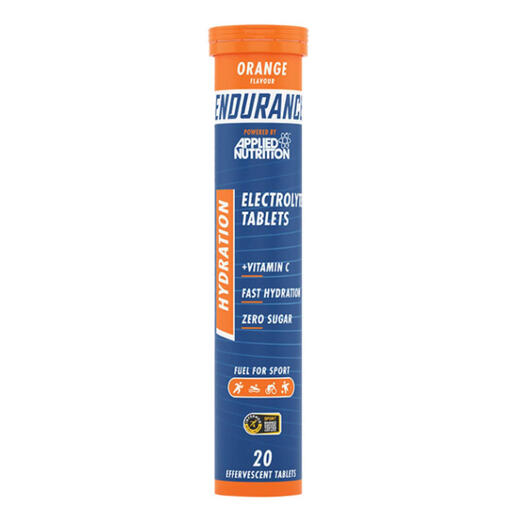
Applied Nutrition Orange Flavour Effervescent Electrolyte Tablets, 20 tablets
An electrolyte-tablet format to consider when you want to prepare a flavoured drink with water. Check the orange-flavour pack’s sugars, sodium, sweeteners and mixing directions before choosing it for a no-added-sugar drink.
View on Joybuy
 No image available
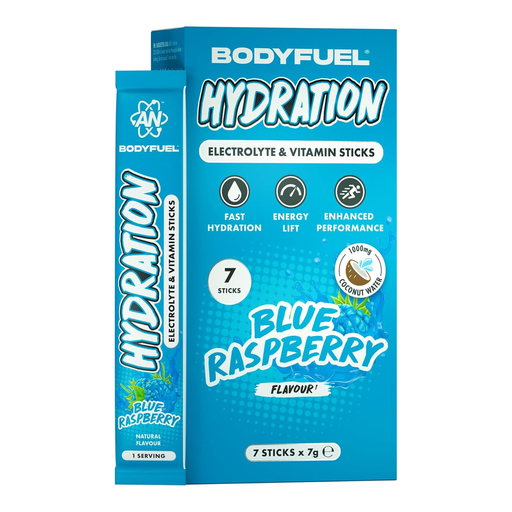
Applied Nutrition BodyFuel Zero Sugar Electrolyte & Vitamin Sticks, Blue Raspberry, 7 x 7g sachets
The zero-sugar-labelled stick format offers a way to prepare a blue raspberry drink with water. Check the nutrition and ingredients for the prepared serving, along with the mixing directions, before comparing it with a tablet.
View on Joybuy
Questions about choosing a drink
Do I need a sports drink with a TV dinner?
No sports drink is necessary simply because you are eating dinner. If you have not recently exercised or sweated substantially, water is a straightforward hydration choice identified by the NHS; a flavoured electrolyte drink is an option to compare, not a requirement of the meal.
Are “no added sugar” and “sugar-free” the same claim?
No. They describe different sugar-related characteristics, so neither phrase should replace a check of the prepared drink’s nutrition panel and ingredients. A “low sugar” description is different again and does not rule out carbohydrate.
When might a carbohydrate sports drink make more sense?
Consider a carbohydrate-containing product when exercise fuel as well as fluid is your aim. Science in Sport distinguishes its no-added-sugar hydration tablets for shorter activity from carbohydrate-and-electrolyte products intended for longer activity; a routine TV dinner alone does not make that fuel necessary.
What if I want to avoid a particular sweetener?
Read the ingredients for the exact product and flavour rather than relying on its sugar claim. HIGH5, for example, lists sucralose for ZERO, so it would not suit someone specifically avoiding that ingredient.
Can a zero-sugar soft drink replace an electrolyte tablet?
It can be a different zero-sugar drink choice with dinner, but do not assume it supplies the same electrolytes. Lucozade presents its Zero soft-drink range separately from Lucozade Sport, which it positions for fuel and hydration during activity.


