Hosts serving a large guest list
Use each bottle’s stated servings and dilution directions to plan drinks. A larger bottle does not necessarily make more prepared servings.


For a large guest list, compare stated prepared servings rather than bottle size: Waitrose & Partners lists 60 servings for Essential Apple & Blackcurrant at its suggested dilution, while its Robinsons Orange listing states 20. Choose a flavour guests will want, then check the current bottle’s dilution directions, sweeteners and ingredient warnings before deciding how much to buy.
Use each bottle’s stated servings and dilution directions to plan drinks. A larger bottle does not necessarily make more prepared servings.
Look for the claim on the current product, but do not read it as a promise that the prepared drink contains no naturally occurring sugars or sweeteners.
Read the bottle before serving, particularly where a guest needs to avoid a listed ingredient or heed a phenylalanine warning. Ingredients differ between products.
Start with the label claim, work out the prepared quantity you need, then choose flavours and check ingredients for the people you plan to serve.
| Priority | What to check | Your needs |
|---|---|---|
| No-added-sugar claim | Check the claim on the current bottle, then compare sugars in the nutrition panel on a prepared-drink basis and read the sweeteners in the ingredients. The Advertising Standards Authority explains that “no added sugars” does not mean naturally occurring sugars are absent. | I want a no-added-sugar option, but I also need to know what is in the drink I will serve. |
| Prepared servings | Compare stated servings, serving size and dilution directions. Waitrose & Partners lists 60 servings at 1 part squash to 9 parts water for Essential Apple & Blackcurrant, versus 40 at 1:4 for its 2-litre Vimto listing; those yields depend on following the stated preparation. | There needs to be enough for the number and size of drinks I plan to pour, even if guests make theirs stronger. |
| Ingredient declarations | Read the current ingredients and warnings for sweeteners, sulphites and any barley-containing ingredient. Waitrose & Partners lists a phenylalanine warning for Ribena Blackcurrant No Added Sugar. | If a guest needs to avoid an ingredient, I want to be able to check the bottle before offering a shared drink. |
| Flavour and fruit content | Choose between orange, blackcurrant, mixed-fruit and citrus styles rather than treating them as interchangeable. M&S states 50% fruit juice for its no-added-sugar Lemon and Lime High Juice; check its bottle for preparation directions when planning quantities. | A choice of familiar and contrasting flavours matters more to my party than relying on one squash for everyone. |
Fruit ingredients can contribute naturally occurring sugars, and a no-added-sugar squash may contain sweeteners. The front-of-pack claim does not answer every ingredient question.
Check the ingredients and compare nutrition information for the diluted drink, using the preparation stated on its label.
Waitrose & Partners states 60 servings for its 1.5-litre Essential Apple & Blackcurrant at 1:9 dilution, but 40 for its 2-litre Vimto at 1:4. Their stated servings use different amounts of concentrate per drink.
Plan from the labelled serving size and dilution ratio, then account for the cup size and strength you intend to offer.
Warnings and ingredients vary by squash. The Waitrose & Partners Ribena Blackcurrant listing includes sodium bisulphite and a warning that it contains a source of phenylalanine.
Keep the actual bottle available so guests can check its current ingredient and allergen declarations before being served.
A planned flavour is less useful if it is out of stock when you shop, and the bottle you receive is the one whose directions and ingredients matter.
Check availability before purchase, then read the physical bottle’s label, preparation directions and best-before date.
These product-line examples show different flavours and labelled yields; a brand name alone does not establish the ingredients or servings of another variant.
Its no-added-sugar range includes orange and summer-fruit options. Waitrose & Partners lists 20 servings for the 1-litre Orange squash when diluted 1 part squash to 4 parts water.
Blackcurrant No Added Sugar offers a berry-flavoured option. Waitrose & Partners states 17 servings for its 850ml listing.
Waitrose & Partners lists the 2-litre No Added Sugar mixed-fruit squash as making 40 servings at 1 part squash to 4 parts water.
M&S describes its Orange Squash as no added sugar and double strength, while its no-added-sugar Lemon and Lime High Juice has a stated 50% fruit-juice content.
Waitrose & Partners states that its 1.5-litre No Added Sugar Apple & Blackcurrant makes 60 servings at a suggested 1:9 dilution.
These Joybuy no-added-sugar squash options offer orange, summer-fruit, lemon, blackcurrant and pineapple-and-passion-fruit flavours for party drinks. Check each variant’s own bottle when planning servings.
 No image available
For an orange option, the matching Waitrose & Partners listing states 20 servings from a 1L bottle at 1 part squash to 4 parts water, and 3 kcal per 250ml diluted glass. Check the current bottle’s ingredients before serving guests with relevant sensitivities.
 No image available
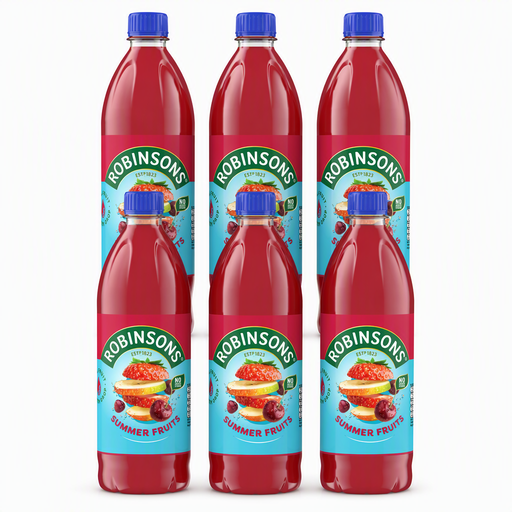
This 6 × 1L summer-fruit pack offers a different flavour alongside orange. Use each bottle’s preparation directions to plan drinks, and check its ingredient and phenylalanine declarations before serving guests with relevant requirements.
 No image available
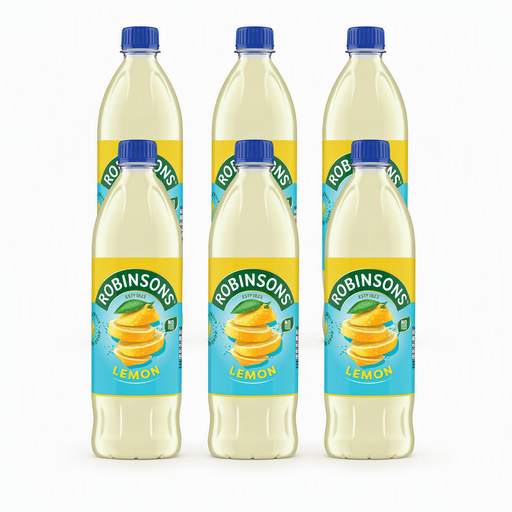
This 6 × 1L lemon pack provides a citrus choice for the party. Follow the bottle’s dilution directions when estimating drinks, and check the current ingredients and warnings before serving.
 No image available
This 1.5L blackcurrant option gives guests another fruit flavour. Use this bottle’s directions to estimate prepared drinks rather than applying the serving count of the separate 850ml Ribena listing. Check its current ingredients and phenylalanine warning before serving.
 No image available
This 850ml pineapple-and-passion-fruit squash offers a flavour apart from the orange and berry options. Check the bottle’s dilution directions to plan quantities, and read its current ingredients and phenylalanine warning before serving.
No. The Advertising Standards Authority explains that a “no added sugars” claim restricts added sugars and other foods used for sweetening; it does not mean naturally occurring sugars are absent. Read the ingredients for sweeteners and compare nutrition information for the drink as prepared.
Start with each product’s stated serving count and dilution directions, then consider your cup size and how strongly guests may mix their drinks. Waitrose & Partners lists 60 servings for Essential Apple & Blackcurrant at 1:9 dilution and 20 for Robinsons Orange at 1:4; bottle volume alone would not show that difference.
Yes. M&S suggests chilled sparkling water as a mixer for its squash. Start with the chosen product’s preparation directions, then taste the mixed drink before making a larger batch.
Check the actual bottle for sweeteners, sulphites, barley-containing ingredients and any phenylalanine warning relevant to your guests. For example, the Waitrose & Partners listing for Ribena Blackcurrant No Added Sugar states that it contains sodium bisulphite and a source of phenylalanine.
Use an online listing to narrow your choice, but check the physical bottle’s ingredient and allergen declarations before serving. That ensures you are reading the information for the product you actually bought.