Hosts reducing added sugar
If you want a flavoured party drink without added sugar, compare the nutrition of the diluted squash rather than relying on the front-of-pack claim alone.


For a birthday party where reducing added sugar matters, start with no-added-sugar squash and compare the sugars and calories in the drink after dilution. A juice-led option may suit the flavours you want, but it can contain more naturally occurring sugar than another no-added-sugar squash. Check each bottle’s mixing instructions and ingredients, particularly when guests have known sensitivities.
If you want a flavoured party drink without added sugar, compare the nutrition of the diluted squash rather than relying on the front-of-pack claim alone.
Check the exact bottle before serving: no-added-sugar squashes can contain sweeteners and sulphites. The Food Standards Agency identifies sulphites as a possible risk for people with a sensitivity.
If fruit content matters to your choice, compare it alongside sugars and calories per prepared serving. A no-added-sugar claim does not rule out naturally occurring sugars from fruit juice.
Choose the type of drink you want to serve, then compare bottles using their own dilution instructions and the nutrition of the finished drink.
| Priority | What to check | Your needs |
|---|---|---|
| Sugars and calories | Check whether the bottle says no added sugar. Compare sugars and calories for the diluted drink on the same serving basis; fruit juice can contribute naturally occurring sugars. | I want to reduce added sugar and know how much sugar is in the drink guests will actually have. ASDA lists under 0.5g sugars and 4 kcal per diluted 250ml of its Apple & Blackcurrant Squash; Waitrose lists 2.3g sugars and 12 kcal per prepared 250ml of its Tropical High Juice. |
| Ingredients | Read the current ingredient and allergen information for the exact flavour. Check which sweeteners it contains and whether sulphites are declared. | Some guests may need to avoid particular ingredients, so I want to keep the bottle available for them to check. The Food Standards Agency identifies sulphites as a possible risk for people with a sensitivity. |
| Mixing and quantity | Follow each bottle’s stated squash-to-water ratio. Use that ratio when working out how much prepared drink to make; strength names alone do not give a common serving size. | I am making drinks for a group and want each jug mixed consistently. ASDA directs one part Apple & Blackcurrant Squash to nine parts water, while Sainsbury’s specifies one part Quadruple Strength Orange Squash to 19 parts water. |
| Fruit content | Compare the stated fruit content with sugars per prepared serving. Do not use fruit content or a no-added-sugar claim as a substitute for the nutrition table. | I would like a juice-led option, but I still want to see its prepared-drink sugar figure before choosing it for the party. |
Juice-based squash can contain naturally occurring sugars even when no sugar has been added.
Check the sugars line for the prepared drink when comparing bottles.
Figures for undiluted squash and a diluted serving describe different amounts of drink.
Use each bottle’s mixing directions and compare nutrition on the same prepared-drink basis.
No-added-sugar examples from ASDA, Sainsbury’s and Waitrose contain sweeteners and sulphites. Ingredient suitability depends on the exact product and the guest’s needs.
Read the physical label before the party, keep it available for guests and offer a clearly identified alternative where needed.
These examples show why the claim, ingredients and prepared-drink nutrition need checking on the particular bottle, not across a brand as a whole.
A branded squash range with fruit flavours and no-added-sugar options.
An own-label option for hosts considering concentrated no-added-sugar squash.
Its Quadruple Strength Orange Squash provides a stated mixing ratio for preparing drinks in jugs.
Its Apple & Blackcurrant Squash is a 1.5L no-added-sugar, double-strength option.
Its 1.5L Orange Squash is a no-added-sugar, double-strength product made with 20% fruit.
Tropical High Juice is a no-added-sugar option for hosts considering a juice-led drink.
These no-added-sugar squash options offer different fruit flavours and bottle formats for party drinks. Compare their current labels before deciding how to mix them or which ingredients suit your guests.
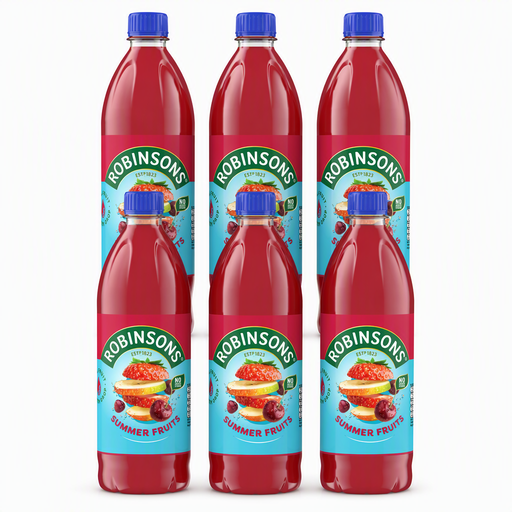 No image available
The six-bottle format is an option when preparing drinks for a group. Check the current label’s dilution guidance before estimating quantities, and use its prepared-drink nutrition for any sugar comparison. Check ingredients if guests have relevant sensitivities.
 No image available
The 1.5L bottle is an option for making blackcurrant drinks in batches. Follow its mixing directions and check whether nutrition figures describe concentrate or the diluted drink before comparing them. Check ingredient and age guidance on the bottle before serving.
 No image available
This 1L orange squash offers a no-added-sugar option for the party. Check the bottle’s mixing directions and quantified sugars for the prepared drink before planning servings or comparing it with another squash. Review ingredients and guidance for young children.
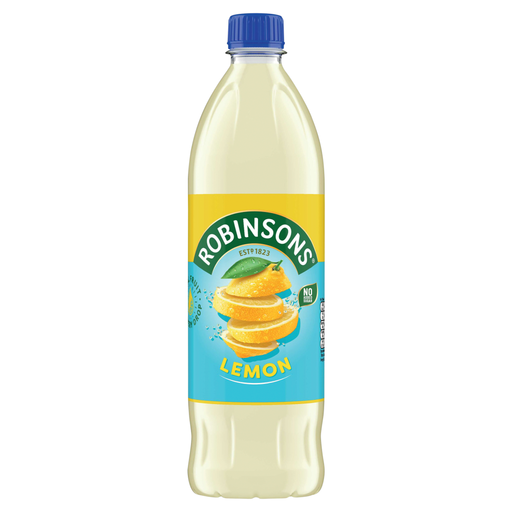 No image available
This 1L lemon squash offers a citrus option without added sugar. Follow the current label for dilution and prepared-drink nutrition. Check its sulphite declaration carefully before serving anyone with a relevant sensitivity.
 No image available
The 850ml bottle adds a pineapple and passion fruit option to the party drinks. Use the label’s dilution directions and prepared-drink figures before comparing sugars or estimating servings. Check its sulphite and phenylalanine information for guests with relevant requirements.
No. A no-added-sugar squash can still contain naturally occurring sugars from fruit juice. Check the sugars figure for the prepared drink rather than treating the claim as a zero-sugar figure.
Compare sugars and calories for the finished drinks on the same basis, such as per prepared 100ml or per prepared glass. Follow each bottle’s recommended dilution; a concentrate figure from one product is not directly comparable with a diluted figure from another.
No. Follow the directions on each bottle. ASDA specifies one part Apple & Blackcurrant Squash to nine parts water, whereas Sainsbury’s specifies one part Quadruple Strength Orange Squash to 19 parts water.
Yes. No-added-sugar examples can contain sweeteners and sulphites. Check the current bottle for each guest’s relevant ingredient needs; the Food Standards Agency identifies sulphites as a possible risk for people with a sensitivity.