Hosts choosing a less sugary drink
If you want to serve fruit-flavoured squash instead of regular sugary squash, compare the sugars and energy stated for a diluted glass.


Choose no-added-sugar squash if you want a fruit-flavoured alternative to sugary squash for brunch, but compare sugar and energy figures for the drink as diluted, not just the claim on the bottle. For a larger group, check the stated dilution and number of servings; check sweeteners and allergens before serving guests, and offer water to anyone who would rather avoid sweeteners.
If you want to serve fruit-flavoured squash instead of regular sugary squash, compare the sugars and energy stated for a diluted glass.
If you are preparing several glasses or jugs, the bottle’s dilution instructions and stated servings help you plan quantities.
If a guest needs to avoid a particular ingredient, inspect the bottle for sweeteners and allergens. Aspartame is unsuitable for people with phenylketonuria (PKU), and some squash products contain sulphites.
Start with the prepared drink, then check how much the bottle makes and whether its ingredients suit everyone you are serving.
| Priority | What to check | Your needs |
|---|---|---|
| Sugars and energy | Read sugars and kcal for a diluted serving, noting its size. Compare products on the same prepared-drink basis; “no added sugar” does not mean no naturally occurring sugars. | I want a fruit-flavoured option instead of regular sugary squash, and I need to know what is in each prepared glass. |
| Servings | Check the dilution ratio and stated servings per bottle. Waitrose & Partners lists 40 servings at 1:9 for Robinsons Double Strength Blackcurrant; Sainsbury’s lists 120 at 1:19 for its Quadruple Strength Lemon. Those counts depend on following each label’s directions. | One bottle needs to cover the glasses I expect to make, without assuming that bottle size alone tells me the yield. |
| Ingredients | Read the current ingredient and allergen statement for sweeteners and sulphites. The NHS notes that aspartame is unsuitable for people with PKU. | I’m serving friends with different ingredient requirements, so I want to check the bottle and have water available too. |
| Fruit and flavour | Check the declared fruit percentage and the fruit flavour. A fruit percentage describes ingredients; it does not, by itself, establish how much sugar is in the diluted drink. | Some guests may prefer orange, berry or lemon with brunch, but I still want to compare the prepared-drink label separately. |
Fruit ingredients can contribute naturally occurring sugars even when no sugar has been added.
Find “of which sugars” on the nutrition panel and check whether the figure describes concentrate or the diluted drink before comparing bottles.
Squashes have different dilution ratios, so bottles of similar size can have different stated serving counts.
Use each manufacturer’s directions and serving count to plan the drinks you need; compare nutrition at the stated dilution.
Some no-added-sugar squashes contain sulphites or aspartame. The NHS advises that aspartame is unsuitable for people with PKU.
Check the final bottle’s ingredients and allergen statement, keep it available for guests to read and offer water separately.
These examples show why the exact flavour and formulation matter more than the brand name alone.
The Orange and Double Strength Blackcurrant no-added-sugar squashes offer different dilution formats.
Tesco Double Strength Summer Fruit is a no-added-sugar, sweetener-containing squash.
Quadruple Strength Lemon is a higher-concentration option for preparing several drinks.
M&S Orange Squash is a double-strength, no-added-sugar option made with 20% orange from concentrate.
Essential No Added Sugar Summer Fruits is a double-strength squash in a 1.5 L bottle.
These are fruit-flavoured no-added-sugar concentrates to consider if you are serving squash at brunch. Check each bottle’s prepared-drink nutrition, dilution directions and ingredients for your group.
 No image available
An orange squash for a shared brunch jug. Waitrose & Partners lists 3 kcal and negligible sugars per diluted 250 ml glass at 1:4. Check the bottle’s sweeteners and sulphite declaration before serving.
 No image available
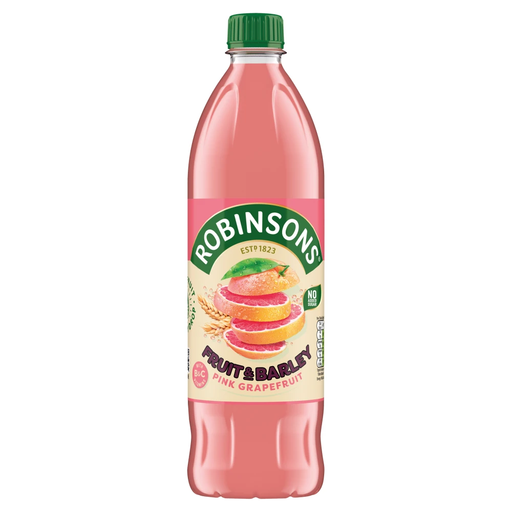
A pink grapefruit option if you want a different flavour alongside brunch food. Check its prepared-drink figures and dilution on the bottle; its declared barley and sulphites matter for guests checking allergens.
 No image available
A blackcurrant option for diluted brunch drinks. Check the prepared-glass nutrition and bottle directions when planning quantities. Its declared aspartame is unsuitable for guests with PKU; also check the sulphite information.
 No image available
A summer-fruit squash for guests who prefer a mixed-fruit flavour. Read the pack for the diluted-serving figures and directions before comparing it with other bottles, and check its declared sweeteners and sulphites.
 No image available
A lemon squash option for the brunch table. Check the label for sugars per diluted glass and the dilution needed for your group. It declares aspartame, which is unsuitable for people with PKU.
No. Fruit ingredients can contribute naturally occurring sugars. Check “of which sugars” for the prepared drink when comparing bottles; Waitrose & Partners lists 0.5 g per 250 ml serving for Essential No Added Sugar Summer Fruits.
Yes, particularly if a guest needs to avoid a specific ingredient. The NHS states that aspartame is unsuitable for people with phenylketonuria (PKU); read the ingredients on the bottle you intend to serve.
Check the current allergen and ingredient statement for each flavour. The M&S Orange product lists sulphites, while the Robinsons Fruit & Barley Pink Grapefruit option declares barley and sulphites. Offer water if a guest would prefer to avoid the squash ingredients.
Use the bottle’s stated dilution and servings to plan the number of glasses. Waitrose & Partners gives 1:4 for Robinsons Orange and 1:9 for Robinsons Double Strength Blackcurrant; Sainsbury’s gives 1:19 for its Quadruple Strength Lemon. Follow the directions for the bottle you choose.