Hosts serving adults and older children
If several guests will share a jug, flavour and the number of prepared servings matter alongside the bottle size. Keep the ingredients available so guests can check whether the drink suits them.


Choose a no-added-sugar squash for Sunday brunch by its flavour, stated fruit content and the number of diluted servings you need, rather than treating every bottle as interchangeable. A high-juice option gives you a declared fruit-juice percentage to compare; for a larger table, check a concentrate’s mixing instructions and serving yield. In either case, read the ingredients for sweeteners and allergens: no added sugar does not mean sugar-free.
If several guests will share a jug, flavour and the number of prepared servings matter alongside the bottle size. Keep the ingredients available so guests can check whether the drink suits them.
A declared fruit-juice percentage lets you compare specific products. Check the flavour and nutrition panel too: fruit content alone does not describe the finished drink.
Some no-added-sugar squashes contain sweeteners or sulphites. Anyone avoiding a particular ingredient needs the full declaration on the current pack, not just the front-of-pack claim.
Start with the guests and the drinks you plan to make, then compare each product’s label on the same basis.
Consider it when: You want to compare declared fruit-juice content; Marks & Spencer describes its no-added-sugar Pink Grapefruit High Juice as containing 50% fruit juice.
Bear in mind: Check whether grapefruit suits your guests and read the nutrition panel; the juice percentage does not make the squash sugar-free.
Consider it when: You are preparing drinks for a larger table and want to plan quantities using the bottle’s stated servings and dilution instructions.
Bear in mind: A stronger concentrate needs its own mixing ratio; check the exact ingredients before serving guests with sweetener or allergen requirements.
Consider it when: A flavour such as summer fruits fits the menu and its stated serving yield covers the table.
Bear in mind: Use that product’s mixing instruction rather than the ratio from a double-strength bottle.
| Priority | What to check | Your needs |
|---|---|---|
| Claim and ingredients | Read the no-added-sugar wording alongside the nutrition panel. Check the full ingredients for sweeteners and naturally occurring sugars. | I want to know what is in the drink, rather than assume that no added sugar means sugar-free or sweetener-free. |
| Prepared servings | Compare stated servings and the concentrate-to-water instruction, not bottle volume alone. Waitrose & Partners lists a double-strength Essential Summer Fruits squash; its Robinsons Summer Fruits listing specifies one part concentrate to four parts water. | For a shared jug, I need enough prepared drink for the guests without using the wrong mixing ratio. |
| Fruit and flavour | Compare the percentage on the exact product and note its flavour. Marks & Spencer describes its Pink Grapefruit High Juice as 50% fruit juice and its Orange Squash as 20% fruit. | Grapefruit might suit the brunch menu, or I might choose orange instead; I want the declared fruit content for the bottle I actually buy. |
| Guest requirements | Read the current pack’s sweetener and allergen declarations, including any sulphites. Keep that information available when serving. | If someone avoids an ingredient or has an allergy, I need to confirm whether this particular squash is suitable for them. |
| Very young guests | The NHS advises against diet or reduced-sugar drinks for babies and toddlers and advises offering water with meals. | If babies or toddlers are coming to brunch, I will offer water rather than choose squash for them on the strength of its no-added-sugar label. |
No-added-sugar squash can still contain naturally occurring sugars, and some products use sweeteners. The front label cannot answer either question on its own.
Check the nutrition panel and ingredients separately if sugar or a particular sweetener affects your choice.
Concentrates with different dilution instructions can make different amounts of prepared drink, even when their bottle sizes look comparable.
Use each bottle’s stated servings and mixing ratio to plan the jugs you need. A small test jug can help you follow that instruction before guests arrive.
Sweeteners and sulphites can matter to guests with ingredient preferences, allergies or intolerances.
Check the current packaging and keep it available at the table. Offer another drink when a guest’s requirements cannot be confirmed.
The NHS says diet or reduced-sugar drinks are not recommended for babies and toddlers; a no-added-sugar label is not a reason to substitute squash for water at their meal.
Offer water for babies and toddlers, in line with NHS guidance.
These examples show why it helps to compare individual products rather than assume every squash from one brand has the same formulation or strength.
Waitrose & Partners lists Robinsons Summer Fruits No Added Sugar with an instruction to mix one part concentrate with four parts water.
Tesco lists own-label quadruple-strength no-added-sugar orange squash alongside a Robinsons double-strength orange option.
Sainsbury's lists own-label no-added-sugar high-juice flavours including apple and pink grapefruit.
Marks & Spencer describes two distinct no-added-sugar products: double-strength Orange Squash and Pink Grapefruit High Juice.
Waitrose & Partners describes Essential No Added Sugar Summer Fruits as a double-strength squash containing 20% fruit.
These Joybuy options cover blackcurrant, pineapple and passion fruit, orange, summer fruits and lemon squash. Choose a flavour your guests will drink, then check each bottle’s dilution guidance and current ingredients before planning quantities.
 No image available
A blackcurrant option for guests who prefer that flavour. Use the current pack’s dilution instruction to plan prepared servings, and check its sweeteners and sulphite declaration for anyone with relevant requirements.
 No image available
Consider the pineapple and passion fruit flavour if it fits your brunch menu. Check the bottle for its mixing ratio and serving yield, and read the ingredients if guests avoid particular sweeteners or sulphites.
 No image available
An orange-flavoured choice for a shared jug. Check this bottle’s own dilution and serving instructions rather than applying those of another Robinsons product; read the ingredients for sweeteners and sulphites.
 No image available
A mixed-fruit flavour to consider for the table. Follow this bottle’s dilution instructions when making a jug, and check the current ingredients for sweeteners and sulphites before serving guests with relevant requirements.
 No image available
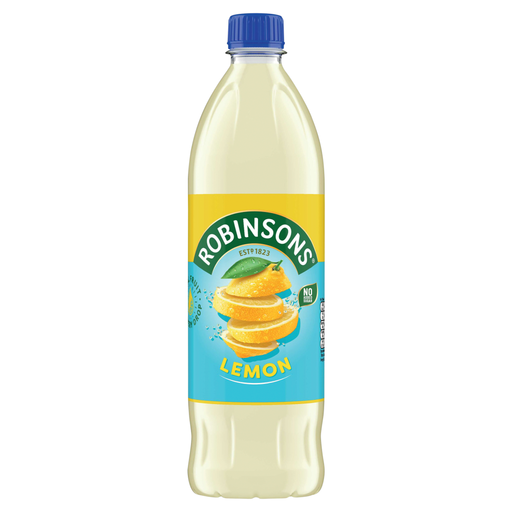
A lemon option if a citrus flavour suits the menu. Check the current pack for its dilution instructions and nutrition serving basis; its ingredient information also needs checking for guests who avoid aspartame or require phenylalanine information.
No. A no-added-sugar squash can contain naturally occurring sugars from fruit. Waitrose & Partners says this explicitly on its Essential Summer Fruits and Robinsons Summer Fruits listings; check the chosen product’s nutrition panel and ingredients if sugar or sweeteners matter to you.
Use the bottle’s stated servings and concentrate-to-water ratio, then plan for the glasses you expect to pour. Waitrose & Partners lists 20 servings and a one-part-concentrate-to-four-parts-water instruction for Robinsons Summer Fruits; do not assume another squash uses that ratio.
Yes, especially when serving guests with an allergy, intolerance or ingredient preference. No added sugar does not mean sweetener-free, so read the complete ingredients and allergen information on the current pack rather than relying on the front label.
Offer water with their meal instead. The NHS says diet or reduced-sugar drinks are not recommended for babies and toddlers; the no-added-sugar wording does not change that advice.